Symptoms of Jaw Pain
What Could Be the Causes?
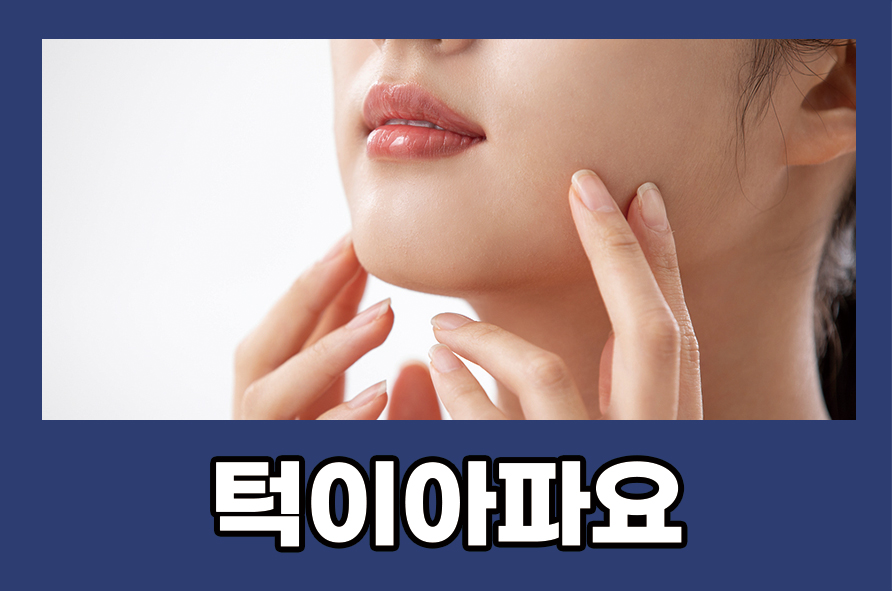
If you hear a clicking sound from your jaw while opening your mouth, or if you feel pain, you may suspect a temporomandibular joint disorder.
Discomfort when opening or closing the mouth can affect daily life, and it is a condition that can occur for a variety of reasons.
Let’s look at the causes behind symptoms such as “my jaw hurts” and ways to help prevent and manage the symptoms.

The temporomandibular joint is located between the jawbone and the skull, and as the joint connecting the two bones, it acts as the central axis of all jaw movements.
It is also a joint with a lot of movement, performing the chewing motion needed to eat food, and it is a joint that carries out complex functions such as speaking and swallowing.
The various disorders related to the temporomandibular joint, which performs these many roles, are called temporomandibular joint disorders, and they can occur for a variety of reasons.

Among the habits that can cause temporomandibular joint disorders, one is clenching your teeth tightly. Not only that, but frequently eating hard foods can also lead to this condition.
In addition, sleeping while grinding your teeth, the habit of resting your chin on your hand, and sleeping on your side can also trigger temporomandibular joint disorders.
Dietary habits can also lead to temporomandibular joint disorders accompanied by symptoms such as jaw pain. If you have the habit of chewing food only on one side, you may experience these symptoms.

In addition, psychological factors such as trauma from an accident or stress can also affect temporomandibular joint disorders.
When temporomandibular joint disorders occur, a sound may be heard from the jaw when opening or closing the mouth, and pain may also be present.
It may also be uncomfortable to chew food or move the jaw, and if the symptoms become severe, opening the mouth can become difficult.

If you hear a clicking sound from the jaw, feel pain in the temporomandibular joint area, or have discomfort when opening your mouth, you may want to suspect a temporomandibular joint disorder.
As such, pain can occur in the jaw for various reasons, and it can be accompanied by multiple symptoms, not just pain, so it is good to manage it regularly.
First of all, improving your habits is important. Correcting habits that are bad for the temporomandibular joint, such as resting your chin on your hand or clenching your teeth, helps prevent symptoms.

It is also good to limit foods that are hard and chewy, such as squid, and when chewing food, try to chew evenly on both sides.
When something feels wrong with the temporomandibular joint, some people move their jaw to check it, but this behavior can worsen symptoms, so it is best to be careful.
We looked at what causes symptoms such as “my jaw hurts” and ways to manage and prevent the symptoms. Please review the information above and help prevent symptoms.