Blood-Streaked Phlegm Symptoms in the Throat
What Could Be the Causes?

Among respiratory symptoms, coughing is common,
but sometimes phlegm also appears in the throat along with a cough.
Sometimes, blood is mixed into the phlegm, and this can also
be seen fairly often. Blood can become mixed into phlegm due to
various causes.
Let’s look at what causes blood-streaked phlegm in the throat
and what foods may help relieve phlegm symptoms.

Everyone produces a certain amount of phlegm every day, and phlegm
refers to a mucous fluid that helps block bacteria and viruses.
Normally, phlegm is a colorless, transparent mucous fluid,
but in some cases, it may turn red because blood has mixed into
it due to another illness.
Typical cases of blood coming out through the mouth include hematemesis
and hemoptysis. If bleeding occurs in the gastrointestinal tract,
it is called hematemesis, and if bleeding occurs in the lungs,
bronchi, or airways, it is called hemoptysis.

When bleeding occurs in the gastrointestinal tract, blood may come out
with vomiting or along with food. When bleeding occurs in the respiratory
system, it may appear when coughing.
Hemoptysis is the expulsion of phlegm stained with blood, and it can occur
for various reasons. First, if blood is mixed into phlegm along with severe
coughing, throat irritation, bronchitis, or pneumonia may be suspected.
Coughing is a response that protects the body by removing foreign objects
from the airways, but if the cough becomes excessively severe, the mucous
membranes on the surface of the throat and bronchi can be damaged.

Therefore, if you catch a bad cold or develop a condition such as bronchitis
that can trigger coughing, blood-streaked phlegm in the throat may occur.
If you have a fever, feel extremely fatigued, sweat at night, and have a cough
along with hemoptysis, pulmonary tuberculosis may be a possibility.
Common symptoms of pulmonary tuberculosis include coughing, and it may be
accompanied by phlegm or blood-streaked phlegm. In severe cases, symptoms
such as coughing up blood may appear.

In addition, if lung damage becomes severe, shortness of breath may occur,
and it may also be accompanied by chest pain and symptoms such as loss of appetite.
Because blood-streaked phlegm can appear in the throat due to various causes,
it is best to quickly identify the cause and receive treatment.
Since the causes of hemoptysis are very diverse, even if only a small amount
of blood is mixed into the phlegm, you should visit a hospital, get examined,
and receive appropriate treatment.
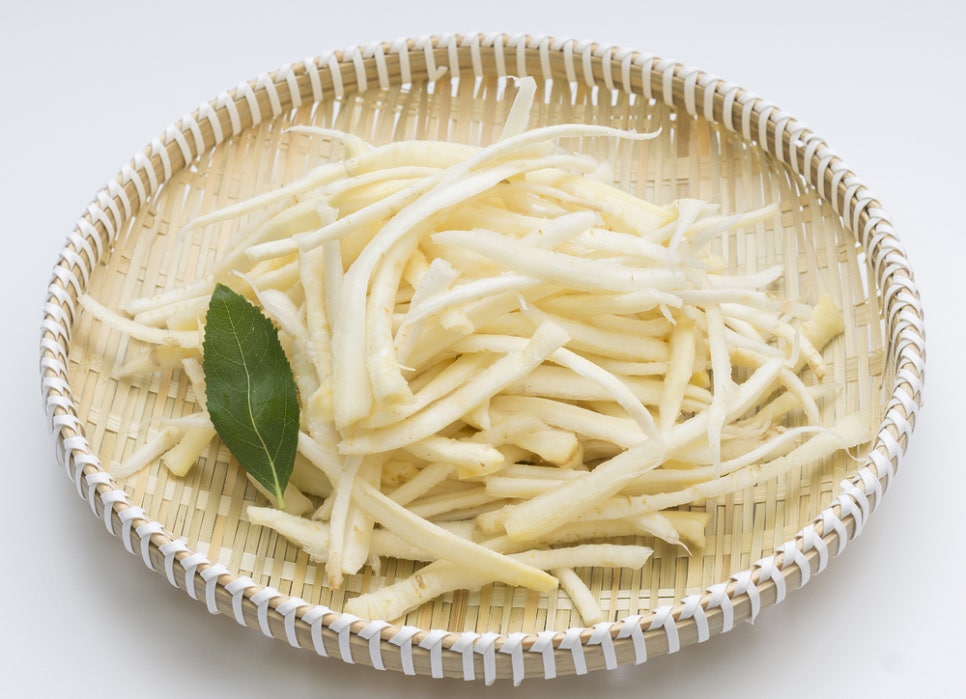
Lastly, when looking at foods that are good for phlegm, bellflower root contains
saponins, which can help relieve phlegm and coughing.
Radish is also a food that helps ease phlegm. It thins the phlegm attached
to the bronchial mucosa, making it easier to spit out.
We’ve looked at what causes blood-streaked phlegm in the throat and foods that
are good for phlegm. Please refer to the information above to help manage your symptoms.