What Are the Symptoms and Causes of Tonsil Stones,
and How Can They Be Managed and Prevented?
Bad breath can occur for a variety of reasons, and it may be caused by many factors such as oral hygiene, health condition, and the types of food you have eaten.
At this time, if you still have a feeling that something is stuck in your throat and your bad breath is severe even though you take careful steps to manage oral hygiene, you may suspect tonsil stones.
In this post, we will look at the causes of tonsil stones, which can come with symptoms such as bad breath, as well as tonsil stone symptoms and how to manage and prevent them.
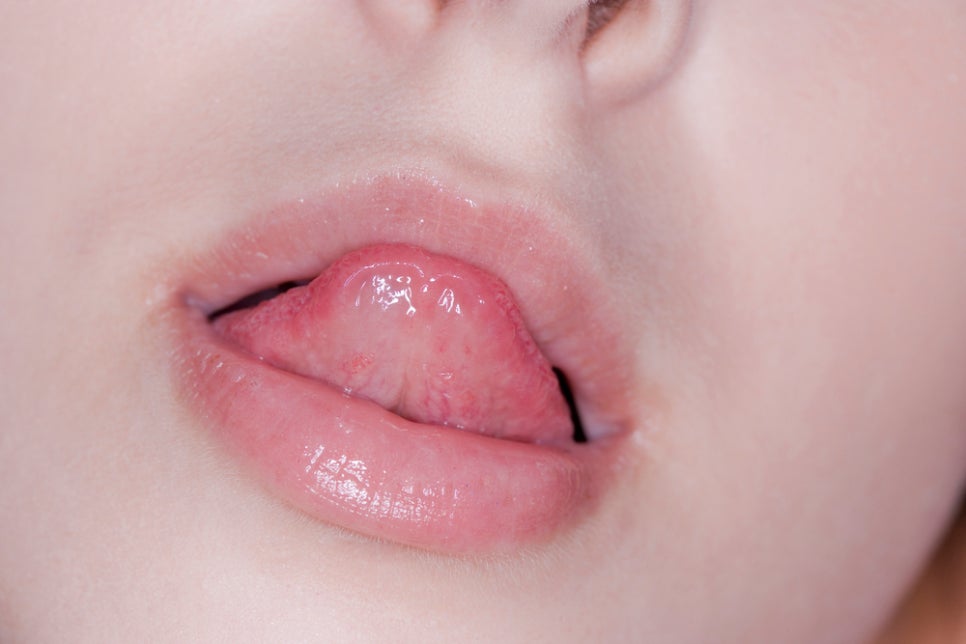
A tonsil stone is a small yellow granule about the size of a millet seed that forms when food debris combines with bacteria in the holes of the tonsils, and in most cases it is not hard like a stone.
When tonsil stones form, small yellow granules may come out when you sneeze, and they can also have a strong odor. They are usually soft enough to crumble.
Tonsil stones can develop for various reasons, and if you are prone to chronic tonsillitis, tonsil stones can occur frequently.

If you have chronic tonsillitis, your tonsils repeatedly swell and subside, and during this process the small holes in the tonsils can become larger.
When the holes in the tonsils become larger, food debris can collect more easily, creating an environment where bacteria can multiply well. As a result, the bacteria can clump together and form small granules, turning into tonsil stones.
Tonsil stones can occur not only in cases of chronic tonsillitis, but also when oral hygiene is poor. If you do not brush your teeth properly, bacteria can easily multiply in the tonsils.

In addition, if nasal mucus frequently drains down the back of the throat due to rhinitis or if there is not enough saliva in the mouth, bacteria can multiply easily, which can make tonsil stones form more easily.
As for tonsil stone symptoms, one of the first signs can be severe bad breath that you can notice yourself, and this can cause discomfort in daily life.
In addition to bad breath, you may also feel as if something is stuck in your throat when swallowing saliva, and symptoms such as an itchy throat and pain may also occur.

Once a tonsil stone forms, it does not go away on its own. Sometimes it may come out when you cough or gag, but in most cases it must be removed physically.
Sometimes people try to remove it themselves using a cotton swab or a finger, but caution is needed because this can cause injury or lead to tonsillitis due to bacterial infection.
If you try to remove it yourself, you may enlarge the tonsil holes and worsen the symptoms, so it is better to have it removed at a hospital to prevent this.

It is also important to manage your daily habits so that tonsil stones do not form. When brushing your teeth, you should clean thoroughly so that no food debris remains in your mouth.
It is also good to gargle after brushing, and gargling carefully all the way to the tonsil area can help prevent bacteria from multiplying in the tonsils.
We have looked at tonsil stone symptoms, their causes, and how to manage and prevent tonsil stones. Please use the information above to take care of your oral health.