Sinchon wisdom tooth sedation dental treatment
Through conscious sedation
The third molars, also called wisdom teeth, are the last teeth in our set
of teeth to erupt, usually emerging in the late teens to
mid-20s.
The third molars, named wisdom teeth because they are said to hurt like a first love during adolescence,
can vary in how many grow in, depending on the person.
If all wisdom teeth erupt, up to four can emerge in total,
one in each corner of the upper and lower jaws, left and right. In some cases,
they do not grow at all, or only one or two
erupt.
Not only the number of wisdom teeth, but also details such as tooth size, eruption
direction and angle, and root shape varied from person to person.
When wisdom teeth erupted, some people thought it was fine to leave them alone, or delayed treatment
because they were afraid of extraction. However, for dental health,
it was better to have them extracted at the Sinchon wisdom tooth clinic.
Not all wisdom teeth needed to be extracted.
If they erupted normally and correctly, or if they did not
affect other teeth, extraction was not necessary.
However, because there is limited space in the jawbone, wisdom teeth may not erupt straight and can grow sideways at an angle or become impacted.
Because wisdom teeth are not easily visible to the naked eye due to their position, oral hygiene management was not easy. When brushing,
the toothbrush could not easily reach them, making hygiene care difficult.
When foreign matter or food debris became trapped, it was difficult
to remove it, and for this reason oral diseases or swelling
could also occur.
In addition, trapped food debris or foreign matter could cause bad breath, and inflammation could lead to
pain.
Furthermore, the teeth around the wisdom tooth could also be affected, and in the case of impacted wisdom teeth,
they could lead to conditions such as a dentigerous cyst.
If wisdom teeth caused gum inflammation, cavities between adjacent teeth, or pushed surrounding teeth
out of place, it was a good idea to get examined.
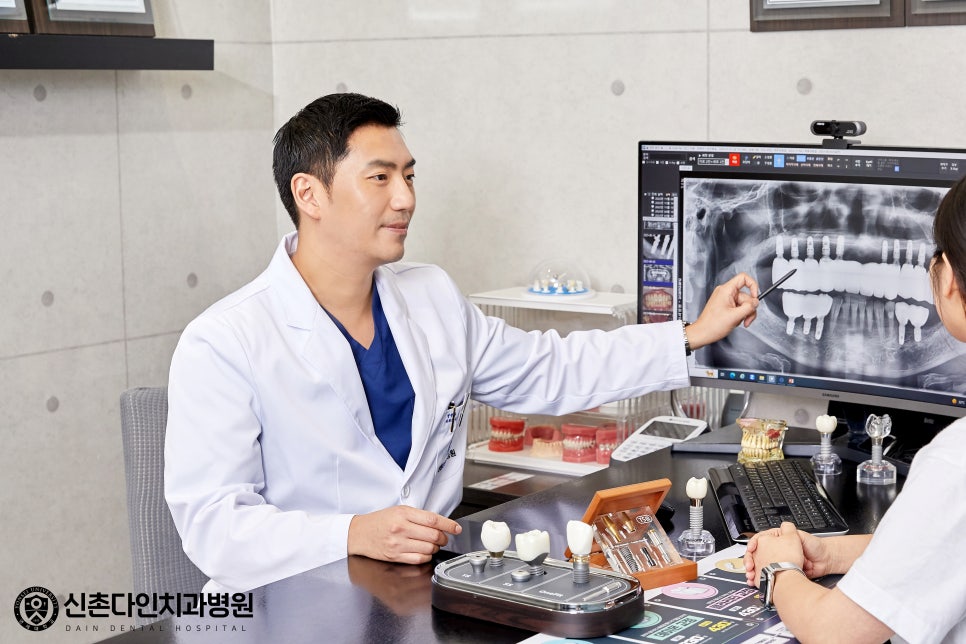
In the case of impacted wisdom teeth, rather than postponing extraction, it was better to have them removed in your 20s, because after your 30s,
problems caused by the teeth, such as nerve damage and inflammation, could become more severe.
In addition, if you were planning a pregnancy, wisdom teeth needed to be extracted before pregnancy,
because hormones made the gums more likely to weaken, so extraction should be done in advance.
Wisdom tooth extraction was considered a challenging procedure, and especially in the case of impacted wisdom teeth,
a different approach was needed depending on the type, such as fully impacted, complex impacted,
or simple impacted.
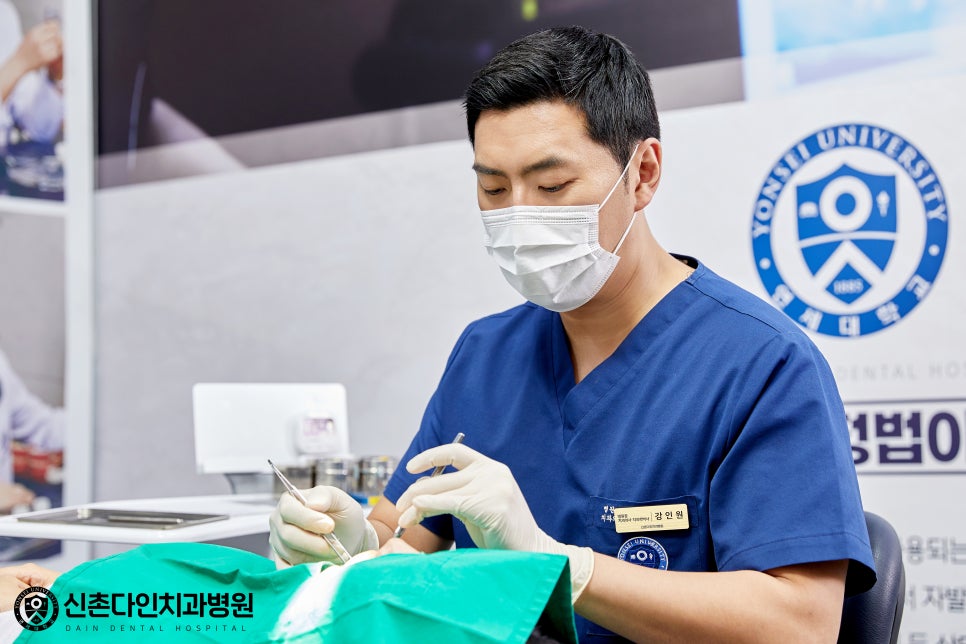
Therefore, before wisdom tooth extraction, you should find a clinic that carefully diagnoses each patient's tooth position,
shape, and degree of impaction, then creates a treatment plan.
Also, to reduce concerns about possible nerve damage during treatment, you should look for a place where medical staff with extensive experience are on site.
After wisdom tooth extraction, aftercare was also important. Oral hygiene had to be managed carefully,
and avoiding alcohol, smoking, and strenuous exercise was also helpful for recovery.
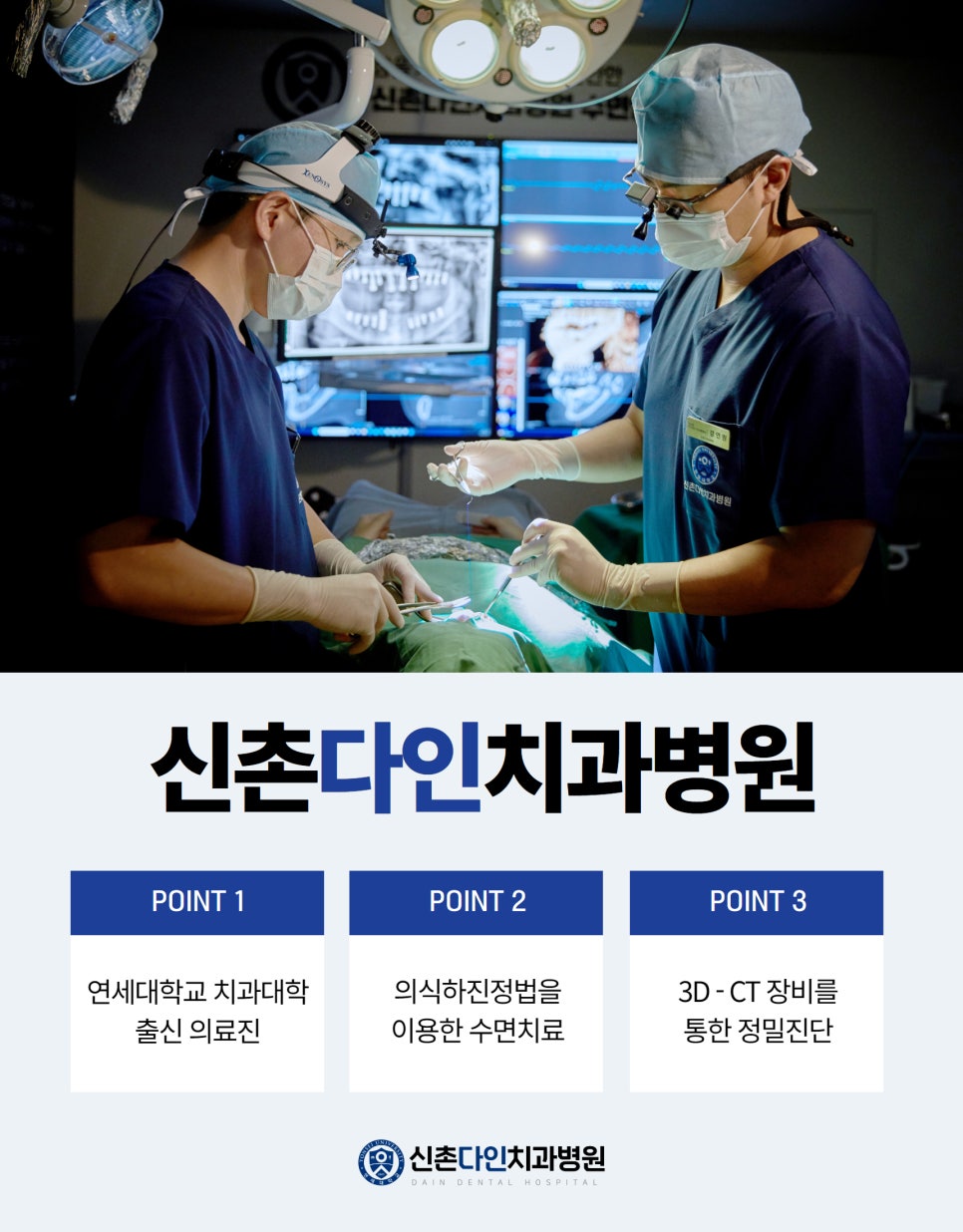
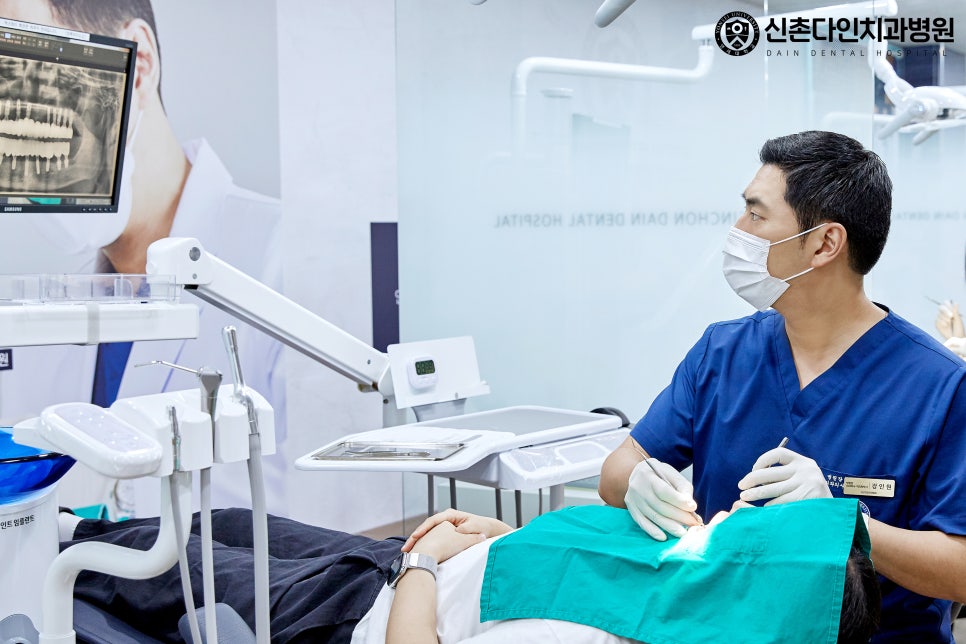
At the Sinchon wisdom tooth clinic, doctors from Yonsei University College of Dentistry,
with doctorates in dentistry, were continuing careful wisdom tooth extraction procedures based on many years of experience.
Because the medical staff had experience with a variety of cases and carefully assessed the patient's condition before the procedure,
treatment could be received with peace of mind.
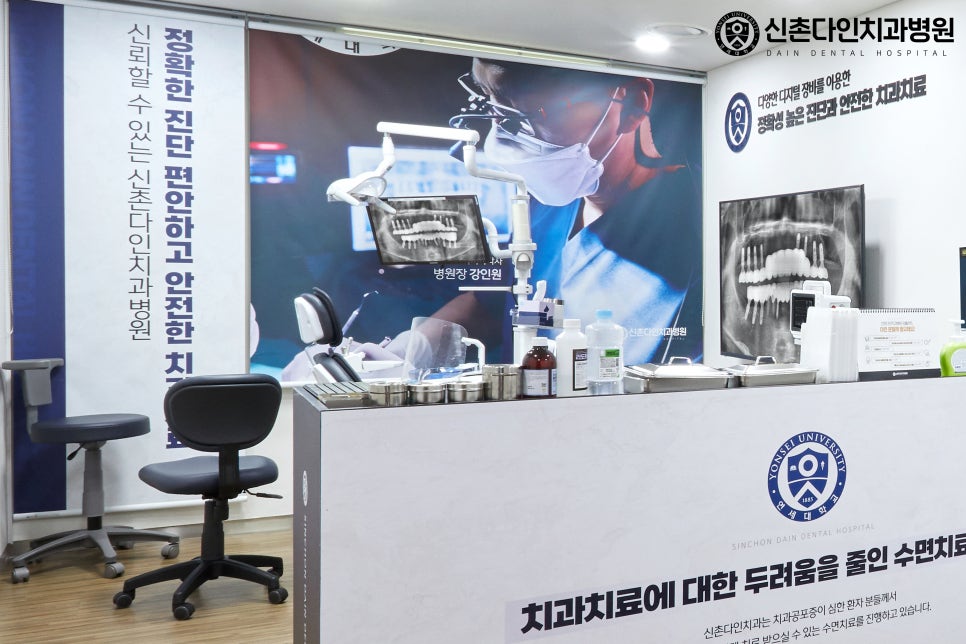
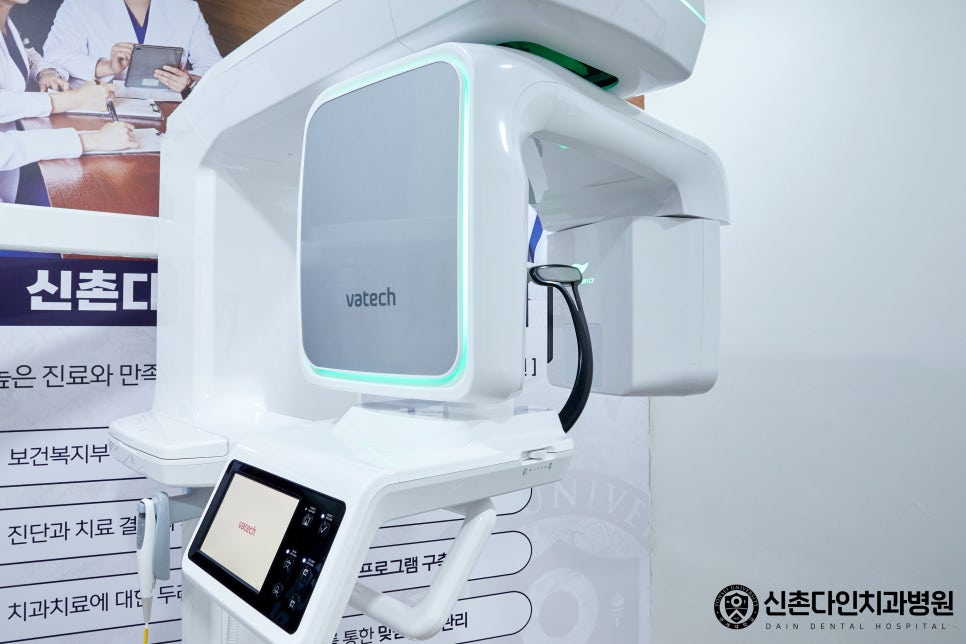
In addition, they used 3D-CT equipment to closely examine the patient's wisdom tooth position and shape,
the environment around the tooth roots, and the location of the nerves, allowing them to carry out appropriate treatment.
However, even when wisdom tooth extraction was necessary, some people did not receive treatment and left it untreated because they were afraid of extraction,
even if they had pain or discomfort.
If you were unable to receive treatment in time because you were afraid of dental care, you could receive a comfortable extraction procedure through sedation dental treatment using conscious sedation.
Sedation dental treatment performed with conscious sedation was a method in which treatment was carried out after inducing a semi-sleep state that felt like sleeping.
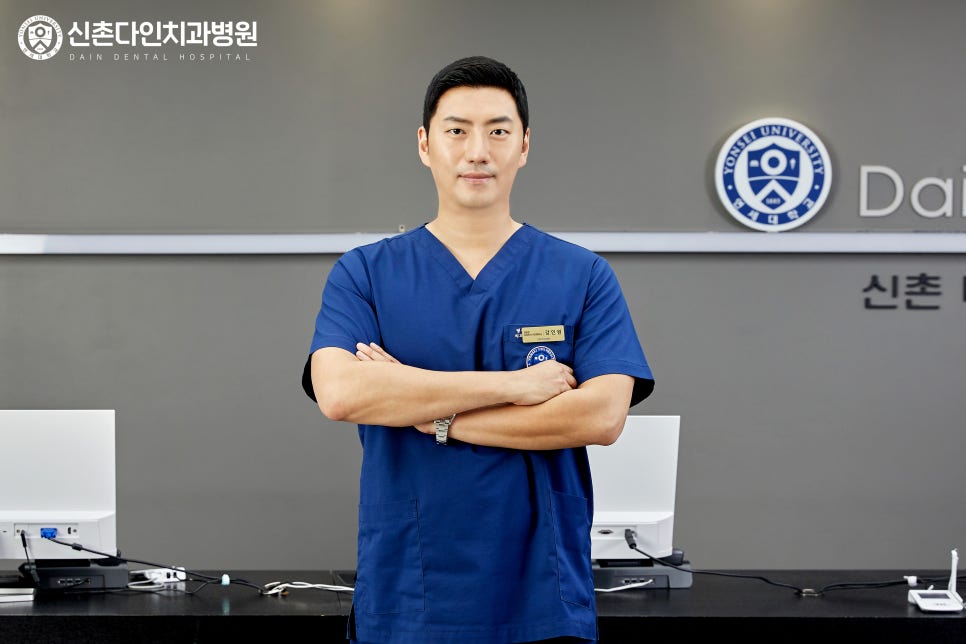
Treatment was carried out while the patient was in a state where simple communication with the medical staff was possible, and treatment could be received in a semi-sleep state in which the patient could breathe on their own.
Also, after waking from anesthesia, there was little memory of any discomfort or pain that may have occurred during the treatment process, which helped reduce anxiety about treatment.
Because conscious sedation could also be applied to prosthetic treatment, implants, cavity treatment, and more, a variety of procedures could be received comfortably.
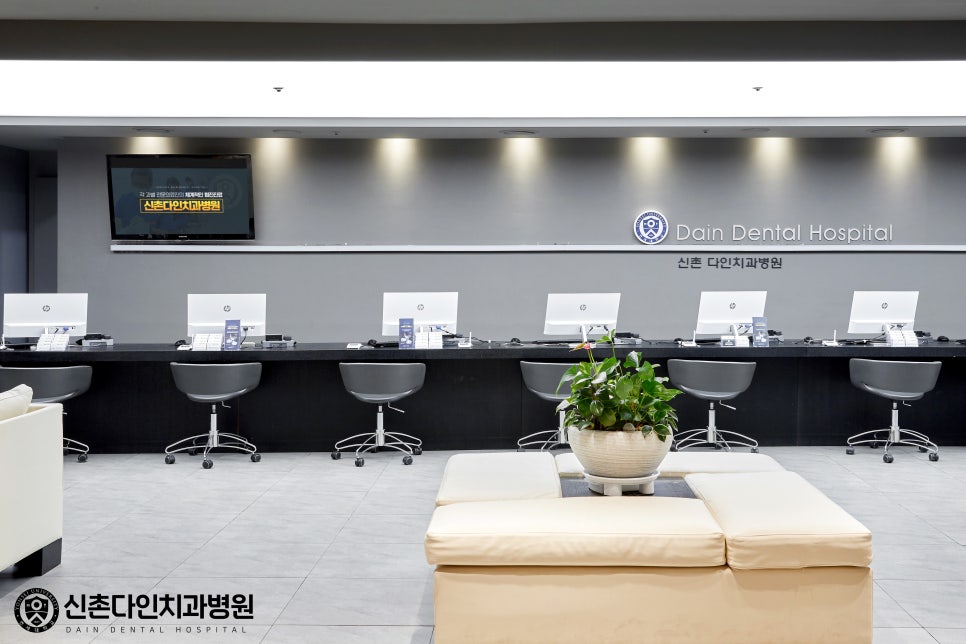
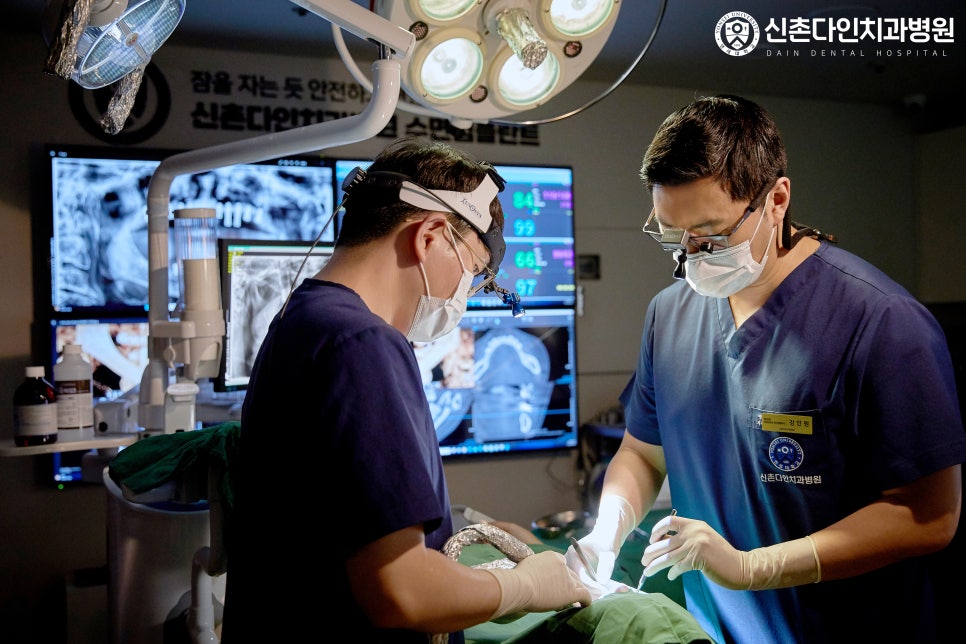
At the Sinchon wisdom tooth clinic, monitoring equipment was in place so that the patient's condition could be checked in real time during the procedure and treatment could proceed smoothly.
In addition, because drowsiness might remain after sedation dental treatment with conscious sedation, patients were guided to a separate recovery room so they could rest comfortably.
Nighttime treatment was available until 9:00 p.m. every Monday and Wednesday, so patients could visit and receive treatment in the late evening.

If you have dental insurance but do not know the details, you can check through the link above.

To view before-and-after treatment photos and handwritten reviews,
you can check after logging in, in accordance with the Medical Service Act.
We operate a KakaoTalk channel for convenient appointment booking and consultation, so please contact us anytime!










Previous image
Next image










Previous image
Next image










Previous image
Next image