Uveitis Symptoms, Causes, and
Management and Prevention
Our eyes play an important role in daily life,
so we need to take care of them to prevent reduced vision
or other eye problems.
Sometimes, symptoms such as sudden blurred vision,
pain, and severe glare sensitivity may appear. In such
cases, uveitis may be suspected.
Today, let’s look at the causes of uveitis, as well as
uveitis symptoms, and how to manage and prevent them.
Our eyeballs have a structure surrounded by several layers.
The outer layers are the cornea and sclera,
and the inner layer is the retina.
The uvea is the middle layer. It is called the uvea because
it resembles the skin of a grape, and it is composed of the
iris, ciliary body, and choroid.
The iris controls the amount of light entering the eye,
and the ciliary body changes the shape of the lens and
produces aqueous humor.
The choroid blocks light and supplies nutrients to the
inner layer of the eye, the retina, which is why the uvea
has many blood vessels.
Uveitis is inflammation of the uvea, and depending on the
initially affected area, it is also classified as iritis,
ciliary body inflammation, or choroiditis.
The causes of uveitis can be broadly divided into two
categories. In the case of infectious uveitis, it can be
caused by viruses, bacteria, fungi, and others.
In non-infectious cases, it may be caused by autoimmune
factors or tumors. Autoimmune means that the body’s own
cells are regarded as enemies and attacked, causing an
inflammatory response.
Overwork, stress, and genetic factors may have an effect,
and inflammation inside the eye can occur even without a
history of injury or infectious disease.
Uveitis symptoms can occur in both eyes, but they may also
appear in only one eye. Typical symptoms include redness,
glareness, and tearing.
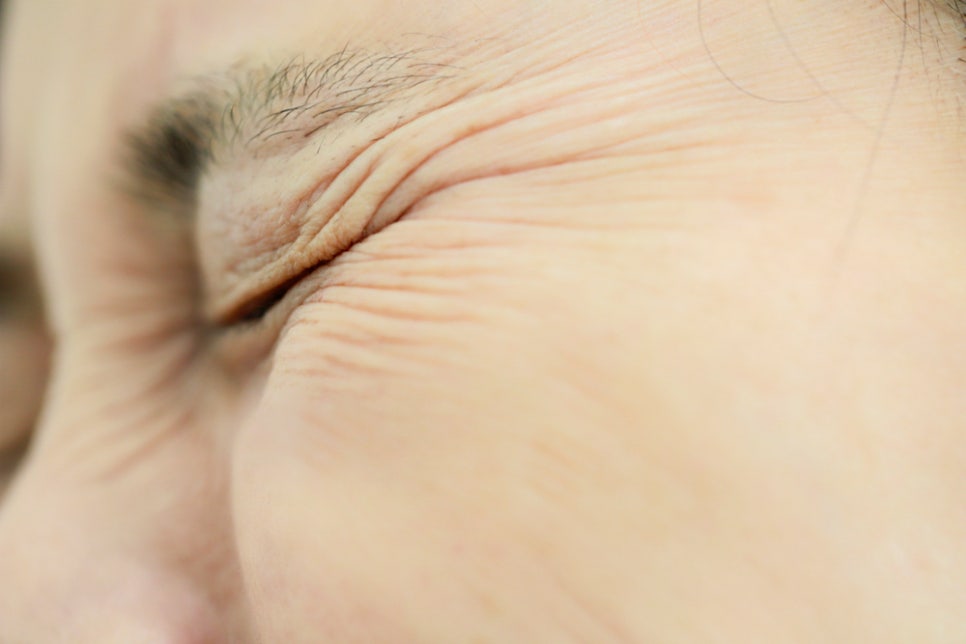
In addition, it may cause reduced vision or eye pain, and
can also lead to discomfort by causing symptoms such as
visual field abnormalities and color vision problems.
If inflammation from uveitis becomes prolonged, it can lead
to complications such as vitreous opacity and cataracts,
so caution is needed.
As such, when uveitis develops, it can cause discomfort
with a variety of symptoms, so it is important to identify
the symptoms and manage them appropriately.

If fatigue accumulates in the body and you become stressed,
the symptoms are more likely to recur, so it is best to
avoid overwork and stress.
Also, after treating uveitis, it is important to visit the
clinic regularly and take care of your eye health to help
prevent recurrence.
We looked at the causes of uveitis, uveitis symptoms, and
management. Please refer to this information and try to
manage your symptoms accordingly.