How to Respond to Burns and
How to Prevent Low-Temperature Burns
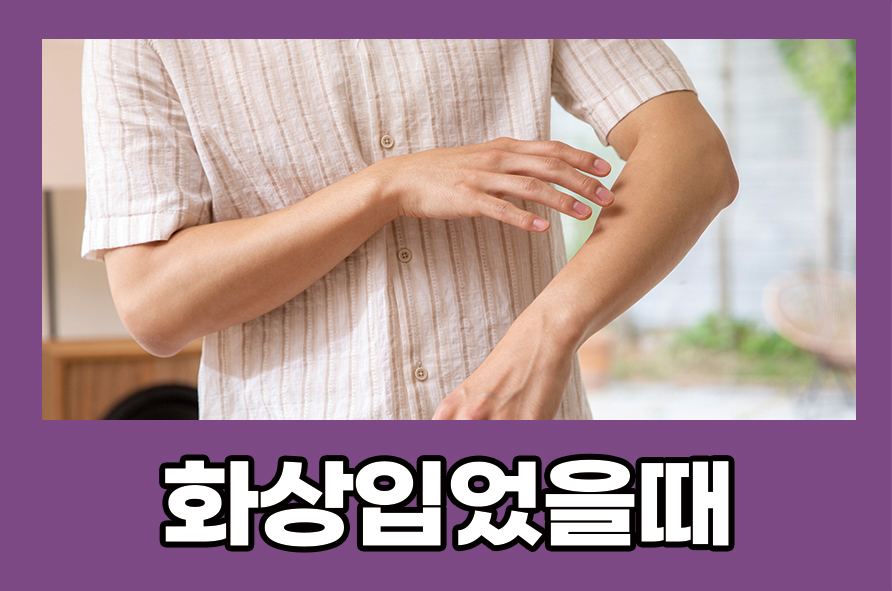
In winter, we tend to use devices such as electric mats and heaters more often, and one thing to be careful about at this time is low-temperature burns.
If you are in prolonged contact with a low-temperature source such as an electric mat, you can get burned. That is why low-temperature burns should be watched out for during winter, when heating products are used more often.
Today, let’s take a careful look at the causes of burns and how to respond when you get burned.
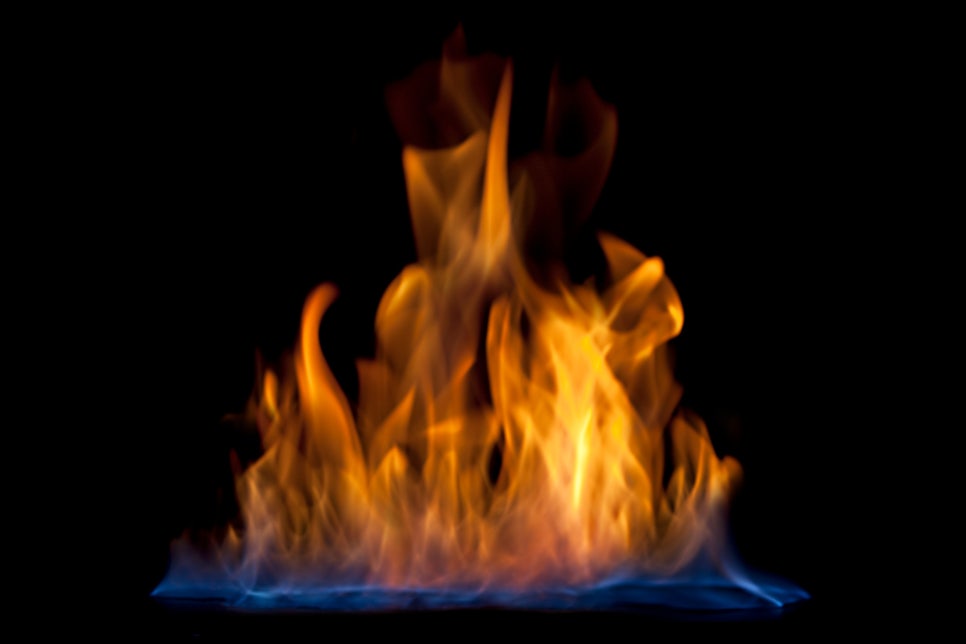
In general, the burns we know about are caused when the skin is damaged by heat above 100 degrees, whereas low-temperature burns occur when the skin is damaged after being exposed to heat of around 40 to 50 degrees for a long time.
If the skin is exposed to heat for a long time, heat accumulates in the skin tissue and cannot move to other areas, causing the temperature of the exposed skin to rise and resulting in a burn.
Unlike regular burns, low-temperature burns can be difficult to notice right away. Main symptoms may include heat erythema and pigmentation.
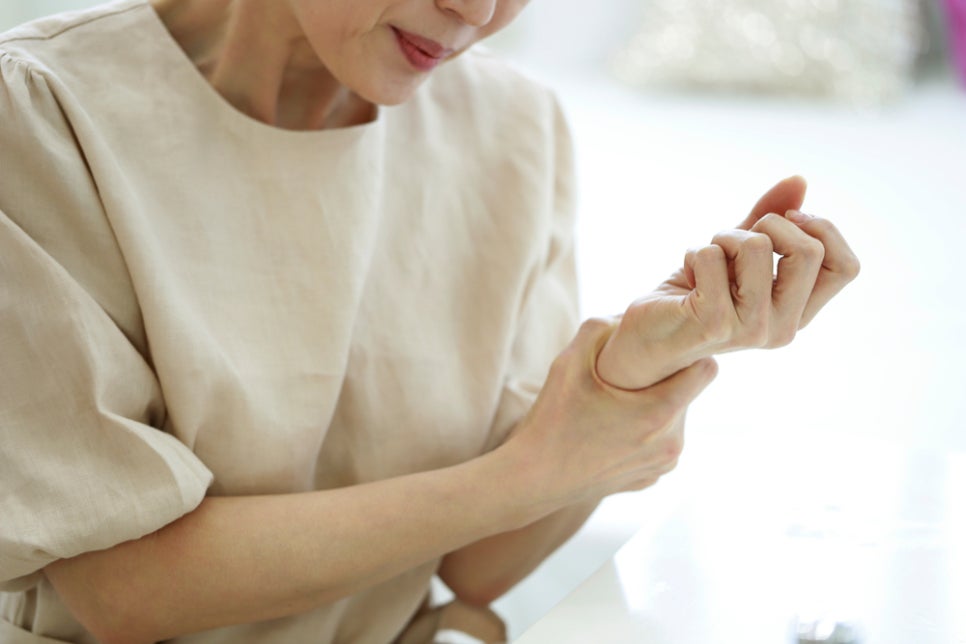
In addition, symptoms such as red spots may be accompanied by itching or blisters, and caution is needed because the burn can damage even the subcutaneous fat layer.
Anyone using heating products in winter can be exposed to low-temperature burns, but it is especially important to be careful if your skin is sensitive or if you have atopic dermatitis.
Burns can be classified by severity. A first-degree burn refers to a state in which blisters have formed, while a second-degree burn refers to a state in which the skin has been cooked and turned brown.
A third-degree burn is a state in which the skin has turned black like charcoal, and if you get burned during daily life, you should respond quickly.
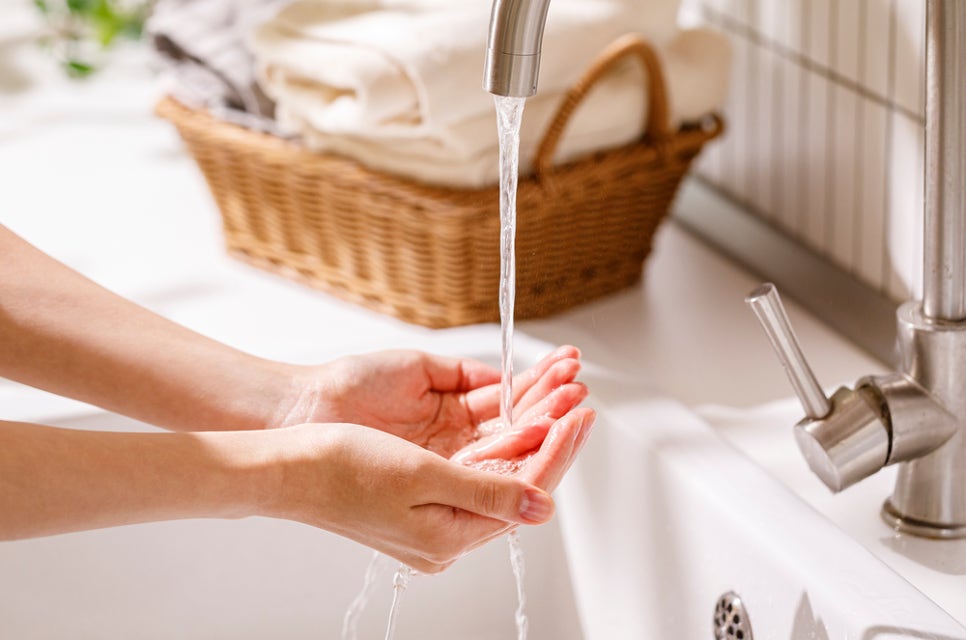
If you get burned by hot water or fire, you should cool the burned area with cold water. You should cool it under running tap water for about 15 to 30 minutes.
If you try to lower the heat quickly by soaking it in ice water, it may interfere with blood circulation and cause pain, so it is best to be careful.
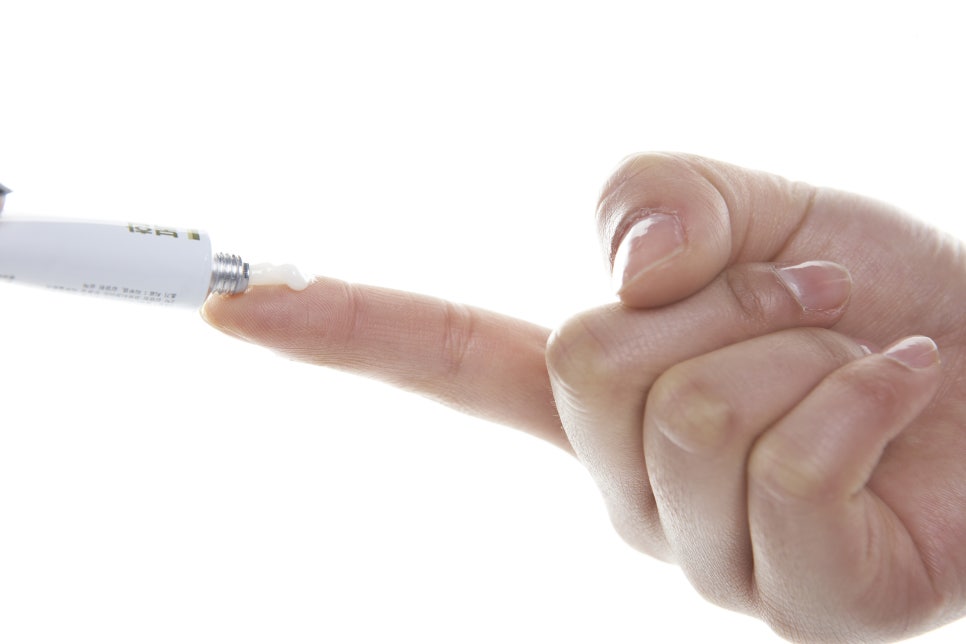
Also, when cooling a wound with tap water, be careful because if the water stream is too strong, it can scratch the wound, and you should avoid popping blisters.
You should prevent dust or dirty substances from touching the burned area, and it is a good idea to apply burn ointment to protect the wound.
Because burns can happen from heating products, you should always be careful in winter. When using an electric mat, it is best to place a blanket on top of the mat and avoid using it for long periods of time.
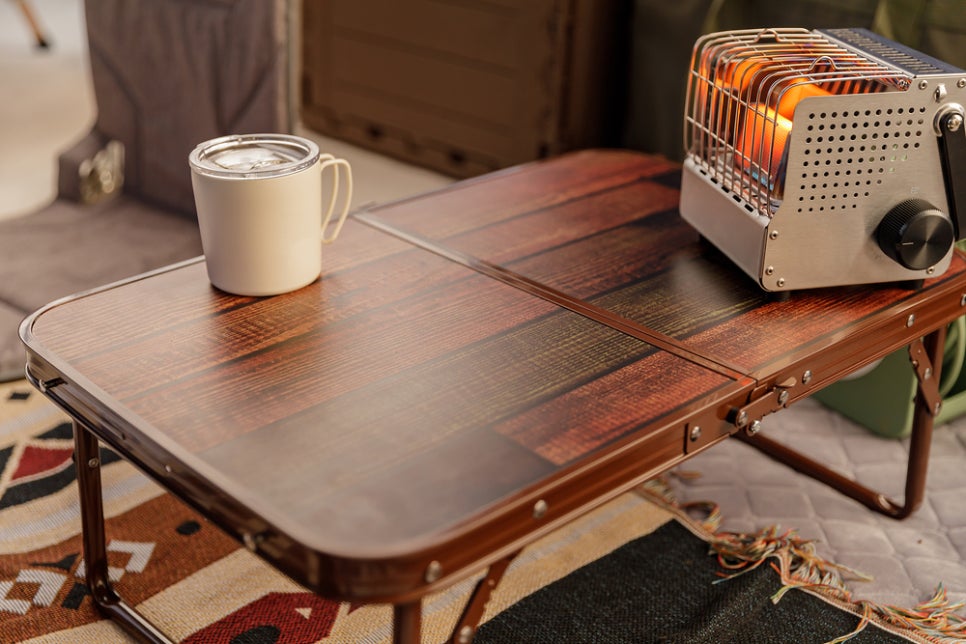
Also, with hot packs or hand warmers, prolonged exposure can lead to low-temperature burns, so they should not be allowed to touch the skin directly.
Even when using a heating stove, it should be used at a distance, and it is a good idea to apply lotion regularly to areas where the skin is exposed.
We looked at the causes of low-temperature burns, what to do when you get burned, and how to prevent low-temperature burns. Please refer to the information above and be careful about burns.