Causes and Symptoms of Shingles
How to Check Prevention Methods
When the season has a large temperature difference between day and night, or when physical stamina declines,
immunity can weaken and various illnesses can develop,
so caution is needed.
When it becomes a season when immunity is more likely to drop, among various illnesses,
you should also be careful about shingles, a disease caused by the varicella virus.
Today, we will look at what causes shingles,
the symptoms that may accompany it, and how to manage the symptoms.

One of the causes of shingles is weakened immunity, and this symptom
can suddenly appear in middle-aged and older adults, whose immunity tends to drop easily.
However, recently, the number of younger people who experience shingles due to overwork and stress
has also been increasing, so caution is needed.
If you had chickenpox as a child, or even if you did not, if the varicella virus is latent in your body,
it can become active when your immunity declines.

When the varicella virus becomes active like this, it travels along the nerves
to the skin and forms blisters, which is called shingles.
Because of shingles, various symptoms can occur, and in the case of shingles,
the characteristic feature is severe pain and sensory abnormalities appearing only on one side of the body.
The main symptoms that can occur are rash and pain,
which appear as blisters and pustules along the nerve ganglia, and severe pain may be felt
in the affected area.
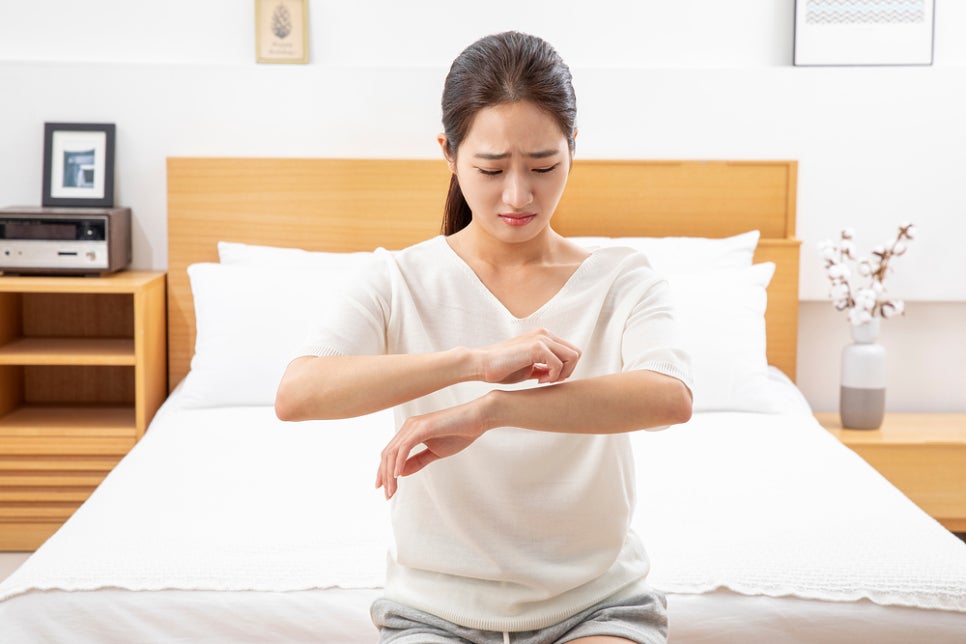
Symptoms commonly appear on the thigh, buttocks, or torso,
and severe pain and sensory abnormalities may be felt for 1 to 3 days.
In addition, blisters and a rash may appear, and symptoms such as fever,
headache, and body aches may accompany the affected area.
Pain can also occur in areas where no rash is visible,
and sometimes wounds can form at the rash site and cause secondary infection,
so caution is needed.

In the case of shingles, early detection is important because after the initial symptoms appear,
you need to receive treatment quickly to reduce aftereffects.
Because complications such as insomnia, depression, and facial nerve paralysis
may accompany it after a few months, if shingles develops, you should receive treatment quickly.
For middle-aged and older adults, regardless of whether shingles has occurred,
vaccination is helpful, and it is important to manage your condition in daily life so that symptoms do not develop.

If your immunity is weakened, anyone can develop shingles,
so you should maintain your immunity through regular exercise.
It is also good to keep a regular lifestyle, avoid overwork and stress,
and manage stress through hobbies and other activities, which helps prevent symptoms.
Today, we looked at the causes of shingles,
the symptoms that may accompany it, and how to prevent the symptoms,
and I hope this was helpful.