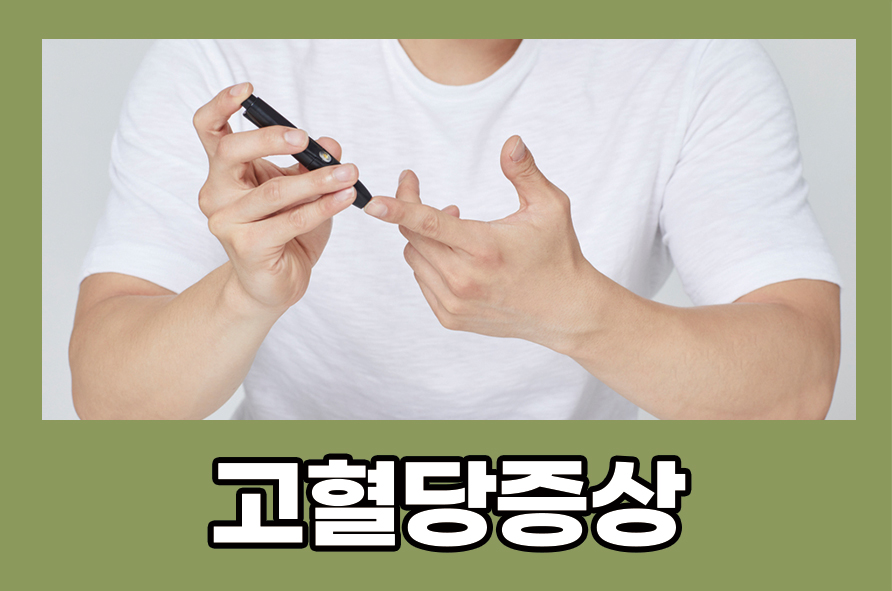
Even if you do not have diabetes, it is normal for blood sugar to rise temporarily after eating, but if it goes beyond the normal range, it can become a problem.
An increase in blood sugar levels beyond the normally permitted range can progress to diabetes, so it is important to manage blood sugar in everyday life.
Today, let’s take a look at the symptoms of hyperglycemia and how to manage blood sugar, one by one.

Hyperglycemia refers to a state in which blood sugar levels are abnormally high, and there are several symptoms that may suggest it.
First, one symptom that may suggest hyperglycemia is frequent urination. If high blood sugar persists, glucose may be excreted in the urine.
The kidneys work to process sugar in the blood, and if they cannot remove the extra sugar, they handle it through urine.
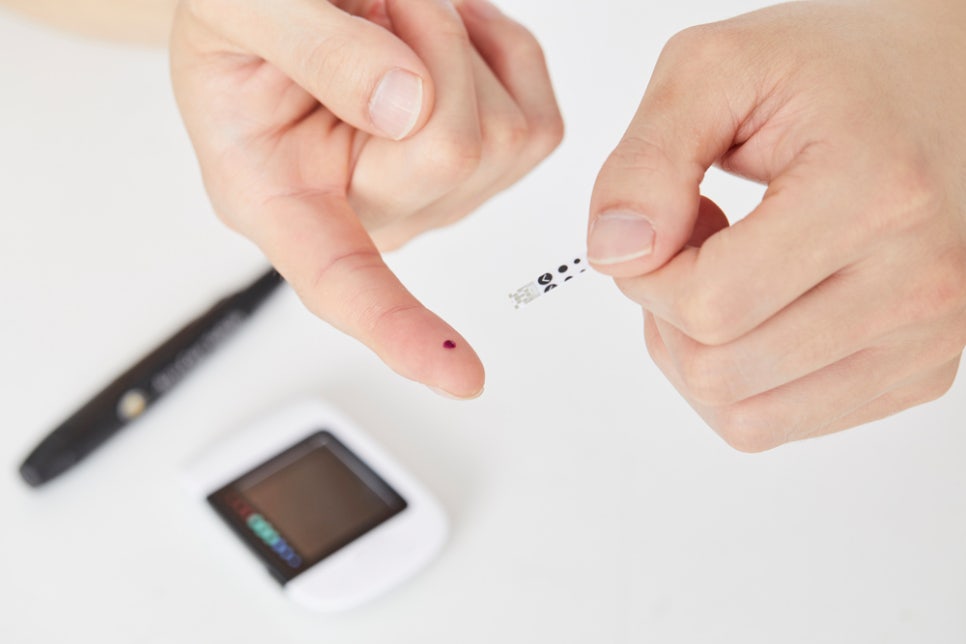
Because of this, if hyperglycemia symptoms continue, you may find yourself urinating more often than usual, so please keep this in mind.
Also, when blood sugar rises, the body draws water from tissues to remove excess sugar, which can make you feel thirstier than usual.
Water is needed to deliver nutrients and remove waste products, and when blood sugar levels rise, you may feel thirsty often as your body tries to replenish insufficient fluids.
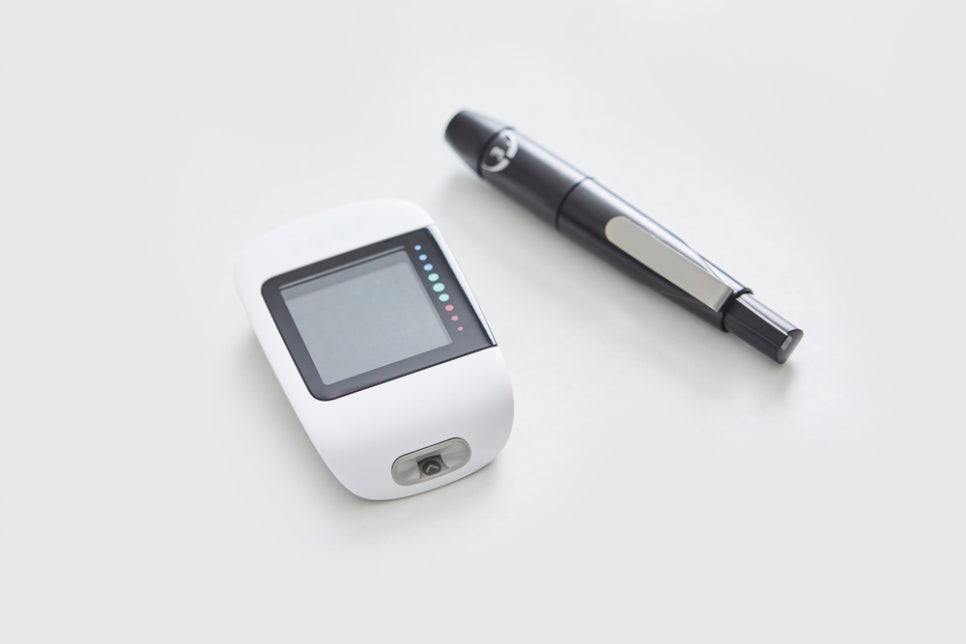
For similar reasons, the inside of the mouth may become dry, which can also lead to rough skin around the lips and even oral ulcers.
In addition, when blood sugar levels rise, skin problems such as itching or cracking may occur on parts of the body such as the legs or elbows.
If this condition continues for a long period of time, rising glucose levels can lead to nerve damage called diabetic neuropathy, so caution is needed.

In addition, when blood sugar is high, you may feel tired easily, and symptoms such as blurred vision or extreme hunger may also appear.
If you have diabetes, you need to pay attention to post-meal blood sugar management, because various diabetic complications can develop, so everyday management is necessary.
First, to manage post-meal blood sugar, it is good to control your diet, and walking after meals can help with blood sugar management.

It is also important to drink enough water. Since high blood sugar can lead to frequent urination, it is better to consume enough fluids to prevent dehydration.
In addition, lack of sleep can trigger the secretion of stress hormones that raise blood sugar, so getting enough sleep in general can help with blood sugar management.
Today, we looked at the symptoms of hyperglycemia and how to manage blood sugar. Please refer to this information and try to improve your symptoms.