Causes of Gagging and Symptoms
How to Improve and Prevent It

Sometimes, gagging can occur during daily life. If the symptoms are temporary, it is manageable, but if it happens frequently, it can cause discomfort.
The causes of gagging are varied, but in many cases, it is a defensive reaction the body makes to protect itself, and it is often related to problems with the spleen and stomach.
Today, let’s take a look at the various causes of gagging and how to improve and prevent the symptom step by step.

Gagging can occur due to gastroesophageal reflux disease. As stomach contents or gastric acid move back up into the stomach, they can trigger gagging.
Symptoms can also arise from abnormalities in the stomach muscle. The stomach muscle refers to the muscle that separates the esophagus and the stomach, and if there is a problem in this area, it can cause gagging.
Gagging can also happen because of everyday eating habits. Eating too much or eating late can place a burden on the stomach and trigger symptoms.

Excessive alcohol consumption can also cause this symptom, as alcohol irritates the stomach lining, which can lead to gagging.
Smoking is also one of the causes of gagging. Cigarette smoke can irritate the pharynx and larynx, which may trigger the gag reflex.
As such, the causes of gagging are often related to gastrointestinal problems, but it can also occur due to stress, lack of sleep, and other factors.

When you are overly tense or stressed, gagging can occur along with migraine symptoms. A throbbing pain appears in a specific part of the head and may be accompanied by gagging.
If your body feels fatigued, your appetite decreases, and nausea and gagging occur, and if it is severe enough to cause vomiting, you may want to suspect liver disease.
When the liver is not in good condition, detoxification does not work well, so gas can build up easily in the body. Gas can increase pressure in the stomach and cause gagging.
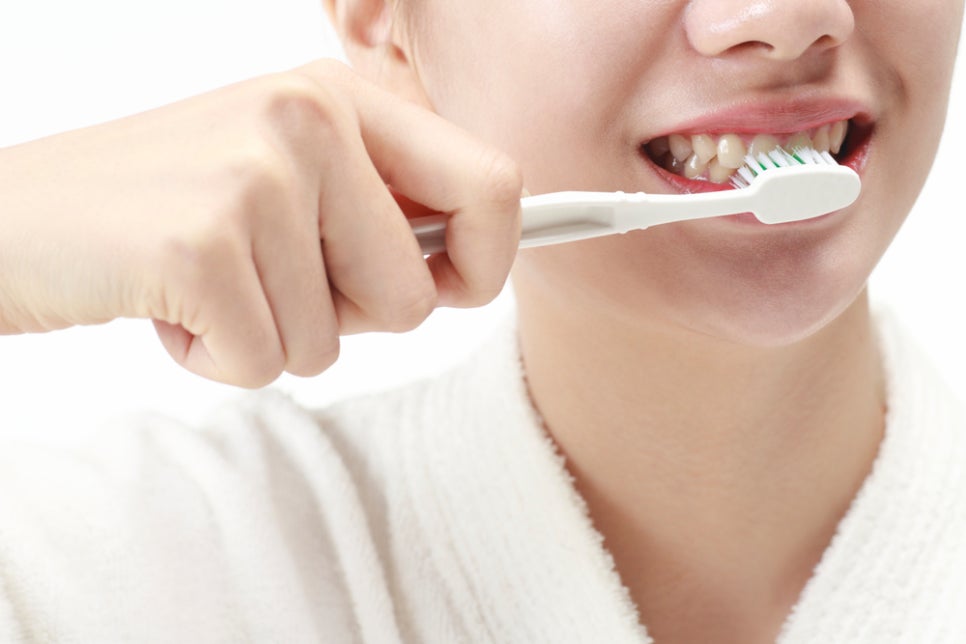
Gagging can also happen when brushing your teeth. This is called the gag reflex, and it is a reflexive reaction that occurs when the toothbrush is perceived as a foreign object.
Because gagging can occur for a variety of reasons and cause discomfort, it is important to identify the cause of the symptom and respond appropriately.
First, to prevent the symptom, it is best to avoid overeating and excessive intake of greasy foods, and to maintain appropriate meal portions.
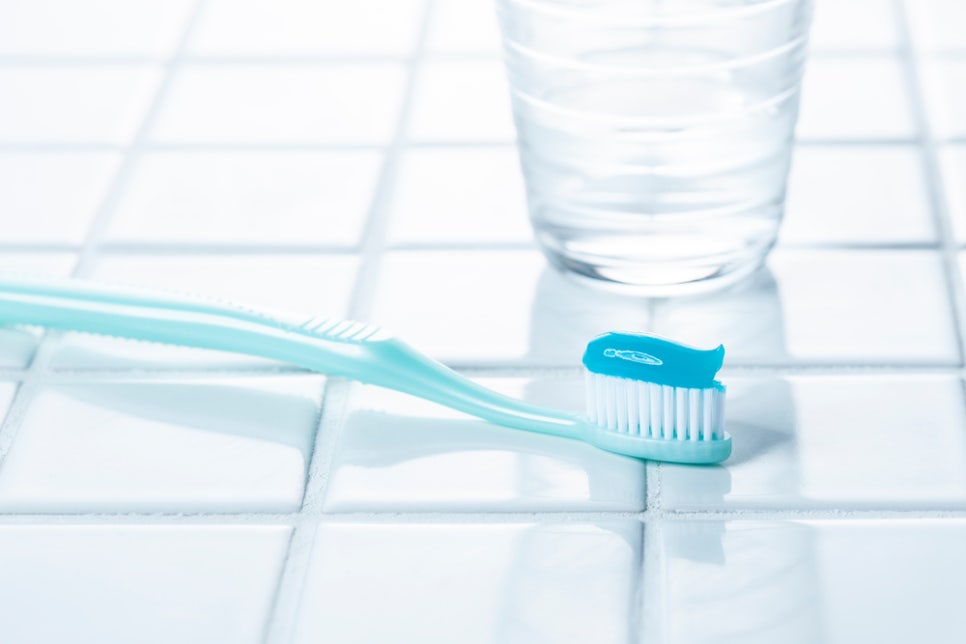
It is also best to avoid drinking alcohol and smoking, and to be careful when brushing your teeth. To reduce gagging, it is better to use a toothbrush with a small head.
In addition, it is better not to brush too deeply and to brush gently. Since the scent of toothpaste can also trigger gagging, changing your toothpaste may also help.
Today, we looked at various causes of gagging and how to improve and manage the symptom depending on the cause. Please refer to this information to help prevent the symptom.