Whether Conjunctivitis Is Contagious, and
Its Causes, Symptoms, and Prevention

As summer approaches, many people may be planning summer vacations to places like swimming pools or the sea, but there is a condition to be careful about at this time.
During the hot and humid summer season, health problems can occur in various parts of the body, and the eyes are no exception; epidemic conjunctivitis can also develop.
In the case of epidemic conjunctivitis, if it is incorrectly self-treated or left untreated, it can lead to reduced vision, so early treatment is necessary.

Today, let’s look at the various causes of conjunctivitis, its symptoms, whether conjunctivitis is contagious, and how to prevent its symptoms.
The conjunctiva is a membrane on the outer surface of the white part of the eye, and conjunctivitis refers to inflammation of this conjunctiva due to infection, trauma, allergies, and other causes.
If your eyes become itchy and bloodshot after going outside in spring, and sticky eye discharge appears, you may want to suspect allergic conjunctivitis.
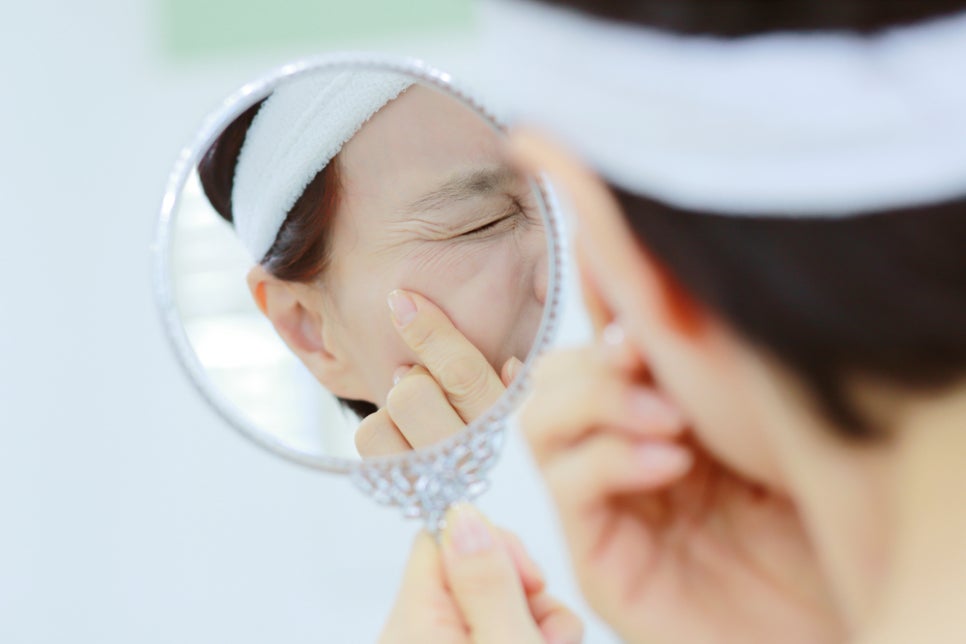
Allergic conjunctivitis is mostly seasonal allergic conjunctivitis caused by pollen and the like, and it is common in people with allergies such as rhinitis or asthma, so caution is needed.
When you get allergic conjunctivitis, itching can feel severe, and it is accompanied by symptoms such as a foreign-body sensation, sensitivity to light, and conjunctival redness.
In summer, epidemic conjunctivitis often occurs, and this is often infectious conjunctivitis caused by a virus, appearing acutely.
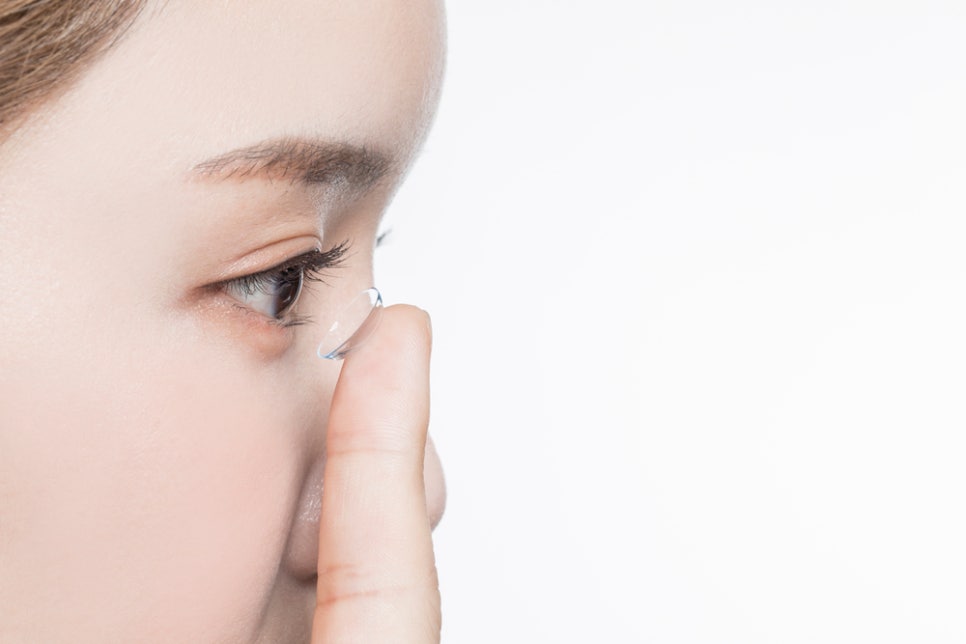
In the case of epidemic conjunctivitis, it can spread if you go swimming while wearing contact lenses or come into contact in public places with a virus-contaminated person, object, or other surface.
When epidemic conjunctivitis develops, it can cause various symptoms such as redness along with itching, eyelid swelling, decreased vision, and stabbing pain.
Viral epidemic conjunctivitis is mainly spread through contact, and it is highly contagious for about two weeks after onset, so the likelihood of conjunctivitis being transmitted is high in summer, when people swim a lot.
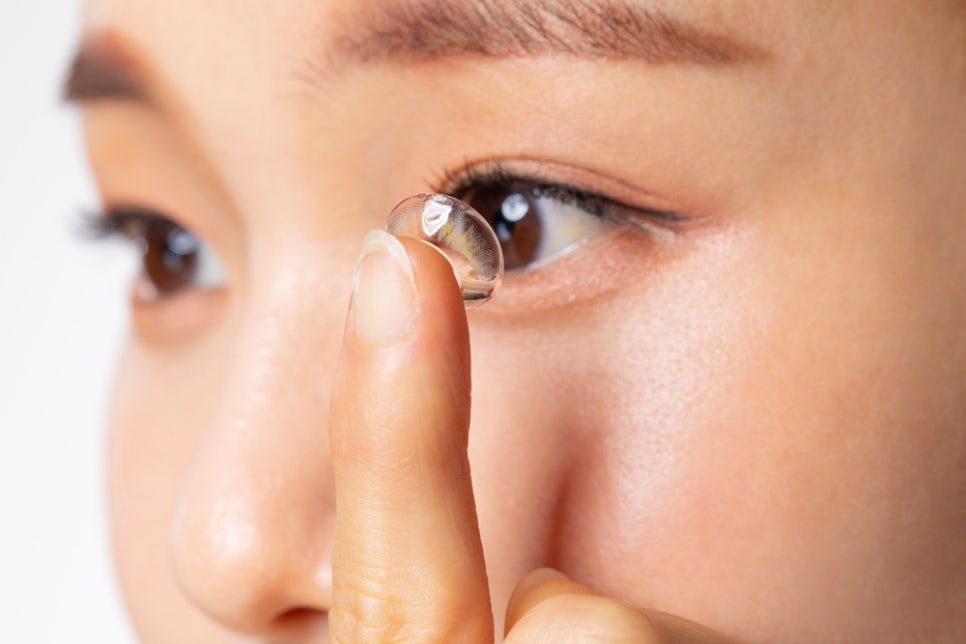
In summer, after swimming and similar activities, some people develop conjunctivitis and try to self-treat it the wrong way, but if proper treatment is not given, the condition can worsen.
Therefore, if conjunctivitis symptoms are suspected, it is better to visit a hospital, receive a diagnosis, and use eye drops or other treatments to help improve the symptoms.
Because epidemic conjunctivitis or allergic conjunctivitis can be accompanied by various symptoms, it is important to manage things so that symptoms do not develop in everyday life.

To prevent epidemic conjunctivitis, it is good to wash your hands frequently and avoid touching or rubbing your eyes with your hands.
In addition, to prevent conjunctivitis, it is advisable to avoid wearing contact lenses on dusty days, and when wearing contact lenses, you should clean them thoroughly.
Today, we looked at the causes of conjunctivitis, the various symptoms that may accompany it, whether conjunctivitis is contagious, and how to prevent its symptoms. Please refer to this information.