Let’s Look at the Causes of Salivary Gland Inflammation
and Its Management and Prevention

Saliva, which is a digestive fluid, helps soften food and make it easier to chew,
and it also breaks down carbohydrates with digestive enzymes such as amylase.
It also contains a large amount of antibacterial substances and helps protect our bodies
from infectious agents in food and the air.
However, if a problem develops in the salivary glands that secrete this important saliva,
it can cause symptoms such as pain or swelling,
leading to discomfort.
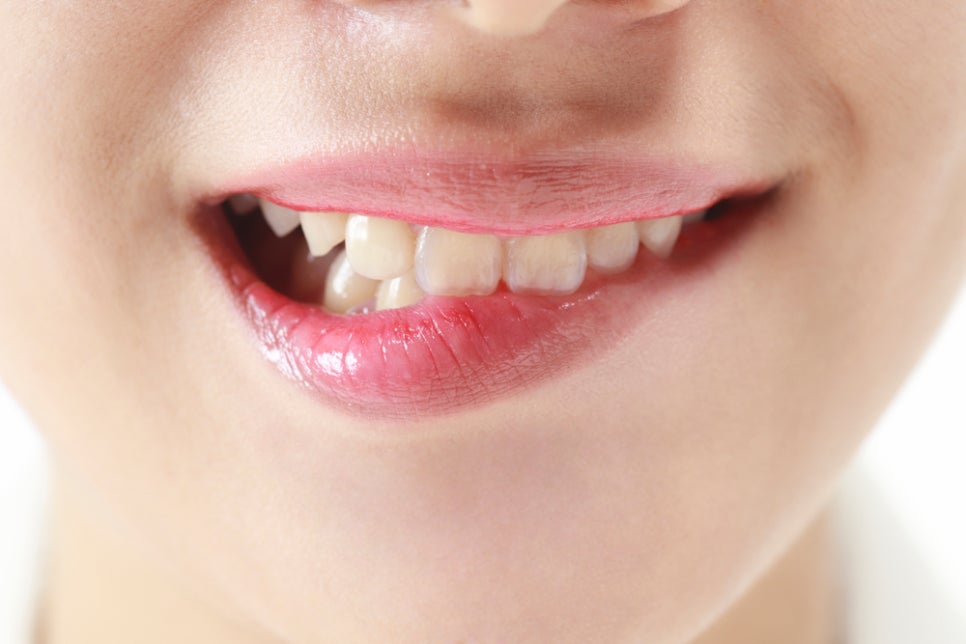
Today, let’s take a look at the causes of sialadenitis, a condition in which inflammation occurs in the salivary glands,
along with salivary gland inflammation symptoms and ways to prevent them.
Inside our mouths, there are various salivary glands that secrete saliva,
such as the parotid glands near the ears, the submandibular glands under the jaw,
and the sublingual glands under the tongue.
Inflammation in these saliva-secreting salivary gland areas is called sialadenitis,
and it can mainly occur in older adults with weakened immunity
or in people with underlying conditions.

It usually occurs most often in the parotid gland, and in the case of salivary gland inflammation symptoms,
it can happen due to various causes and is closely related to oral hygiene.
There are many causes of sialadenitis, but they can be broadly divided into three types.
When inflammation develops in the salivary glands due to bacteria, viruses, or other germs,
it is called infectious sialadenitis.
When inflammation develops in the salivary glands due to an autoimmune disease,
it is called immune-mediated sialadenitis, and inflammation can also occur when saliva is not drained properly
because of salivary duct stenosis or salivary stones.

Infectious sialadenitis occurs most commonly, and it is caused by a virus invading the salivary glands and triggering inflammation.
It causes the salivary glands to swell and can lead to lumps and pain near the ears.
Sialadenitis usually develops due to factors that trigger inflammation,
such as smoking, drinking alcohol, or poor oral hygiene,
and smoking is considered one of the main causes in particular.
Depending on how sialadenitis develops, the symptoms can vary.
In the case of acute sialadenitis, symptoms similar to a cold appear.

As symptoms of salivary gland inflammation, the salivary glands may swell and pain may occur,
and symptoms such as fever or chills may accompany it, and in some cases, pus may form.
In the case of chronic sialadenitis, pain becomes worse after meals,
making it difficult to open the mouth, and the lymph nodes around the salivary glands may also swell.
As such, sialadenitis can occur for various reasons and be accompanied by a range of symptoms,
so it is important to manage it in daily life so that symptoms do not develop.

If sialadenitis does develop, it is best to reduce food intake and avoid spicy foods,
and lowering the swelling with a cold compress can help relieve pain.
To prevent sialadenitis, it is important to pay attention to oral hygiene,
and drinking water frequently and quitting smoking can help prevent symptoms.
We looked at the causes of sialadenitis, salivary gland inflammation symptoms,
and how to manage and prevent the symptoms,
so please refer to this information.