Irregular Periods, Such as Having Two Periods in One Month
What Are the Causes, Symptoms, and Ways to Improve Them?
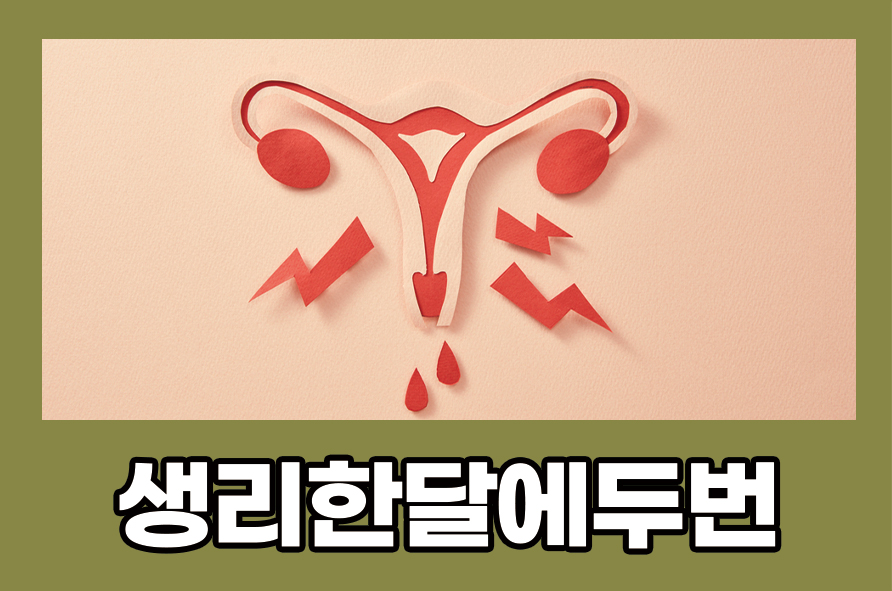
Although there are individual differences, for women, menstruation typically occurs every month for about 35 years starting in the teens.
Most people have periods regularly on a 28-day cycle, but there are cases where a period does not come even when the expected date arrives, or where two periods occur in one month.
Today, we will look at the causes of irregular periods, such as having two periods in one month, along with the symptoms and ways to improve them.

If you have two periods in one month or your period is delayed, you may worry that there is a problem with the uterus.
Irregular periods refer to a state in which menstruation is not regular, and this also includes cases where the cycle is inconsistent or the amount of bleeding suddenly becomes much heavier or lighter.
In general, the menstrual cycle is between 21 and 35 days, and if the cycle is shorter than 21 days or longer than 35 days, irregular periods may be suspected.

If the menstrual cycle becomes shorter than 21 days, you may have two periods in one month. In such cases, attention is needed for frequent menstruation.
Frequent menstruation means a menstrual cycle of 20 days or less, which can result in two periods in one month. If this continues, the cycle becomes irregular, and abnormalities can also occur in the egg and the uterus.
If follicles grow and ovulation occurs frequently, the egg may not be able to mature, making pregnancy difficult. In addition, the increased number of periods can cause anemia.

Frequent menstruation can occur for various reasons. It may happen soon after the first period begins, or when ovarian function has not yet matured.
In adults, causes include reduced ovarian function, a lack of progesterone, and poor lifestyle habits. If this continues, it can lead to infertility, so caution is needed.
In addition to having two periods in one month, you may stop having periods altogether and skip cycles, which is called amenorrhea.

There are many causes of not having periods. Excessive stress or sudden weight gain can affect menstruation.
If too much fat accumulates, the level of inflammation in the body increases and can affect the menstrual cycle. Also, if you had sexual intercourse around ovulation, pregnancy should be considered.
If amenorrhea continues for a long time, it may become difficult to have periods again and infertility may result, so it is best to get examined promptly.
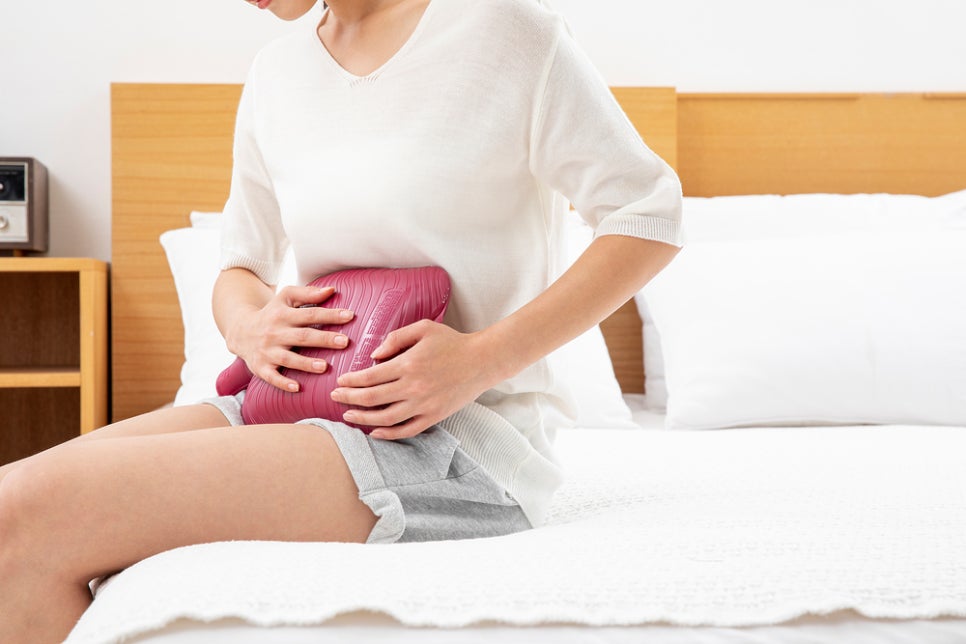
Also, when menstruation stops, female hormone secretion stops, which can increase the risk of osteoporosis, dementia, and cardiovascular disease, so actively managing the symptoms is important.
In the case of irregular periods, lifestyle habits have a major influence, so keeping your body warm as usual and managing stress to improve the body's immunity may help improve the symptoms.
Today, we looked at the causes of irregular periods, such as having two periods in one month, along with ways to improve the symptoms. Please refer to this information.