Sinchon Wisdom Tooth Sedation Treatment
Comfortable with Conscious Sedation

A healthy set of teeth is considered one of the five blessings in life, so it was important to be careful not to damage or lose teeth in everyday life.
Among the teeth, there was one that is often recommended for extraction for oral health reasons: the wisdom tooth. Wisdom teeth usually begin erupting between the ages of 17 and 25.
Wisdom teeth are the last permanent teeth to erupt, located at the very back of the mouth, and their eruption pattern and number vary from person to person.
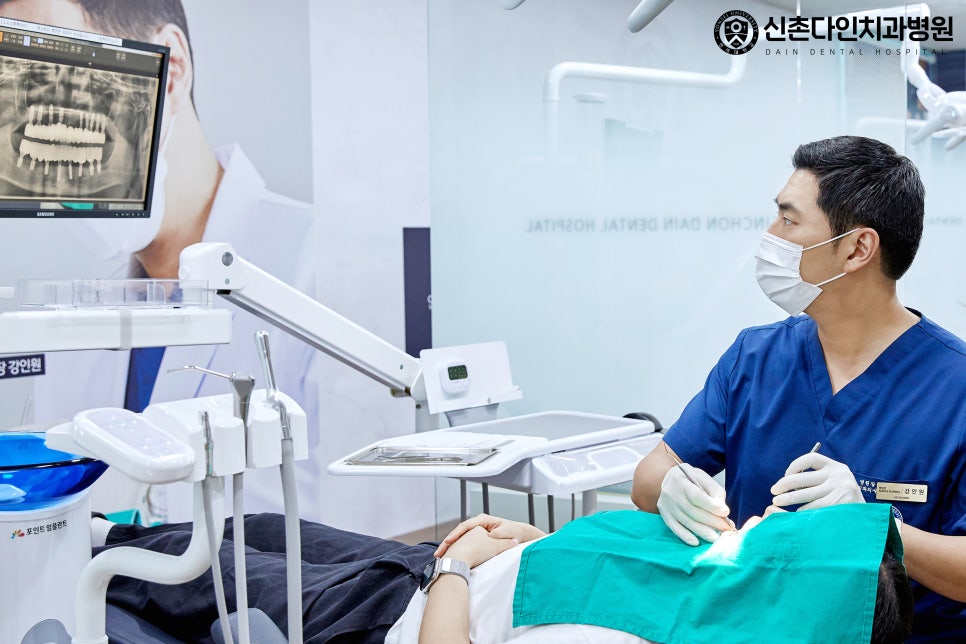
If all wisdom teeth erupt, up to four can come in total, one on each side of the upper and lower jaws, and some people are born without them or only have part of them develop.
When a wisdom tooth erupts, many people wonder whether it must be extracted, but not all wisdom teeth need to be removed.
If a wisdom tooth erupts in the correct direction and angle and does not cause any particular problems with care, it does not necessarily need to be extracted.
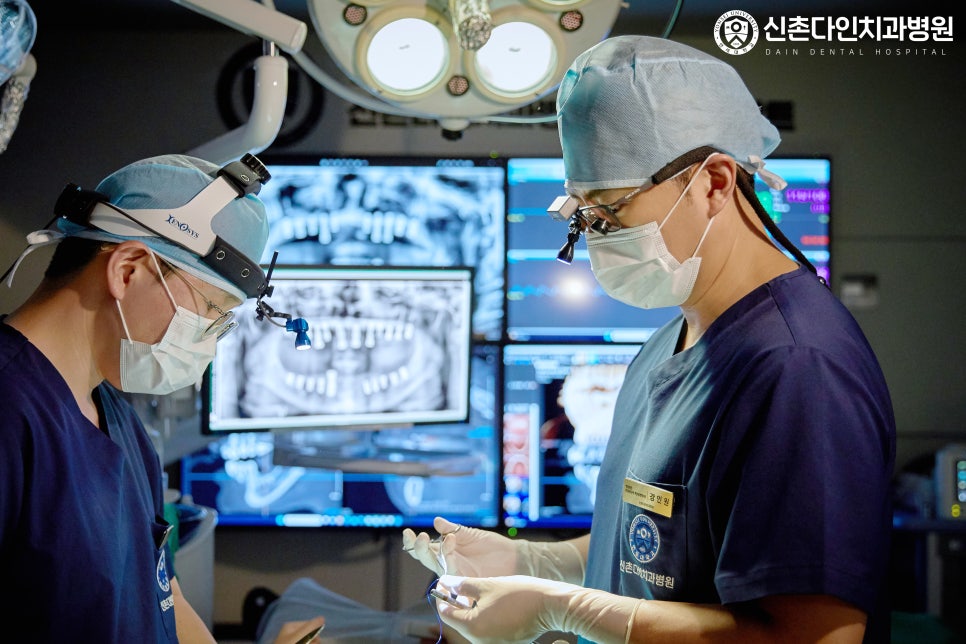
The problem, however, is that due to limited space in the jawbone, wisdom teeth often grow sideways or remain embedded in the bone, meaning their position and direction are not correct.
In this way, while third molars can sometimes cause no particular issues, most wisdom teeth do not have enough room to emerge and can cause various problems, so it is advisable to have an examination at the Sinchon wisdom tooth clinic and proceed with extraction if needed.
Wisdom teeth are located deep inside the mouth, so a toothbrush may not reach them well, and food can easily get trapped there.
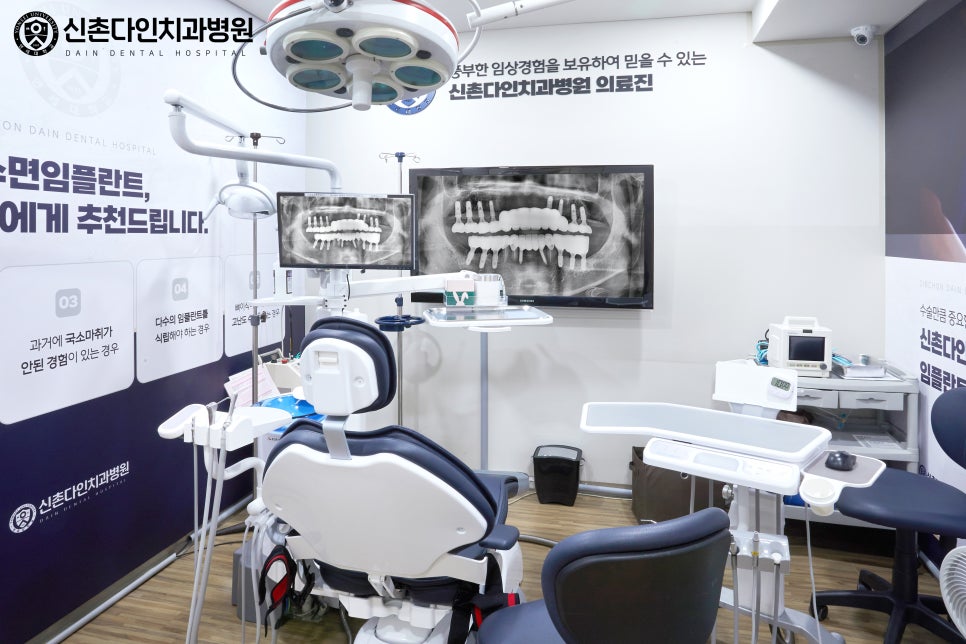
When food debris gets stuck because the toothbrush cannot reach well and cannot be removed, it can lead to inflammation or cavities.
If you feel persistent pain from a wisdom tooth, or if there is swelling and food keeps getting stuck easily, it is a good idea to consider extraction at the Sinchon wisdom tooth clinic.
If wisdom teeth are not extracted, you may experience various problems; when overworked or tired, inflammation can easily develop in the surrounding gums.

In addition, cavities can develop in the molars and the inflammation can spread to the surrounding bone, and food trapped between the wisdom tooth and the gums can also cause bad breath.
Moreover, inflammation can cause pain while also leading to swelling of the cheeks, tonsils, and lymph nodes, which can affect daily life.
When a wisdom tooth does not erupt properly and grows sideways, it can damage adjacent teeth or disrupt the alignment of the teeth, so extraction is recommended.
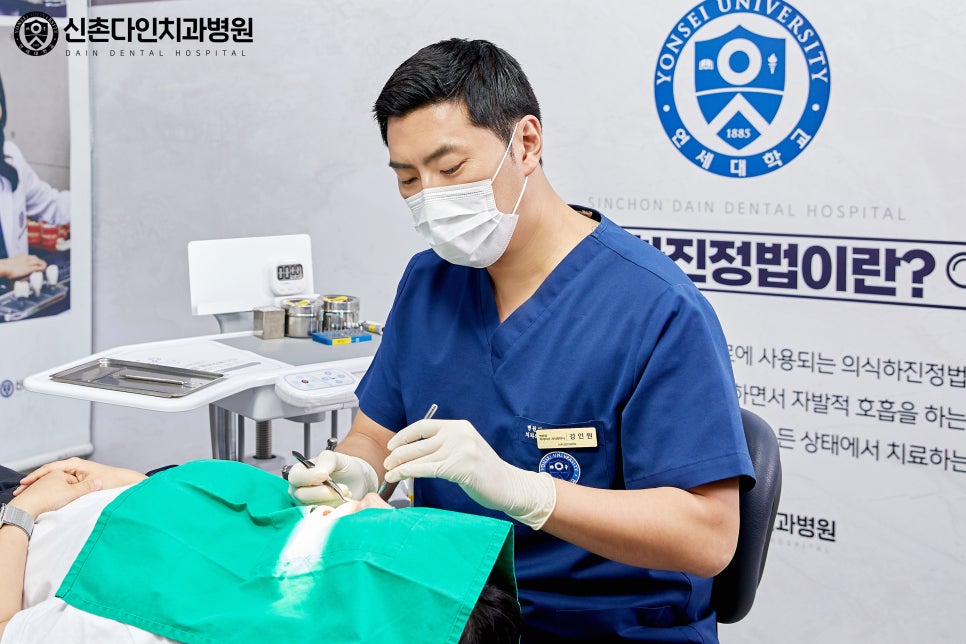
The best time for wisdom tooth extraction is from the late teens to the mid-20s, and it is better to have it removed before the roots grow deep.
This is because after the age of 30, the roots of the wisdom tooth are deep and firmly fixed in the jawbone, so the risk of nerve damage and side effects during extraction can be greater.
Wisdom tooth extraction may not seem like a big deal, but there are more factors to consider than expected, and impacted wisdom tooth extraction is a highly difficult procedure.
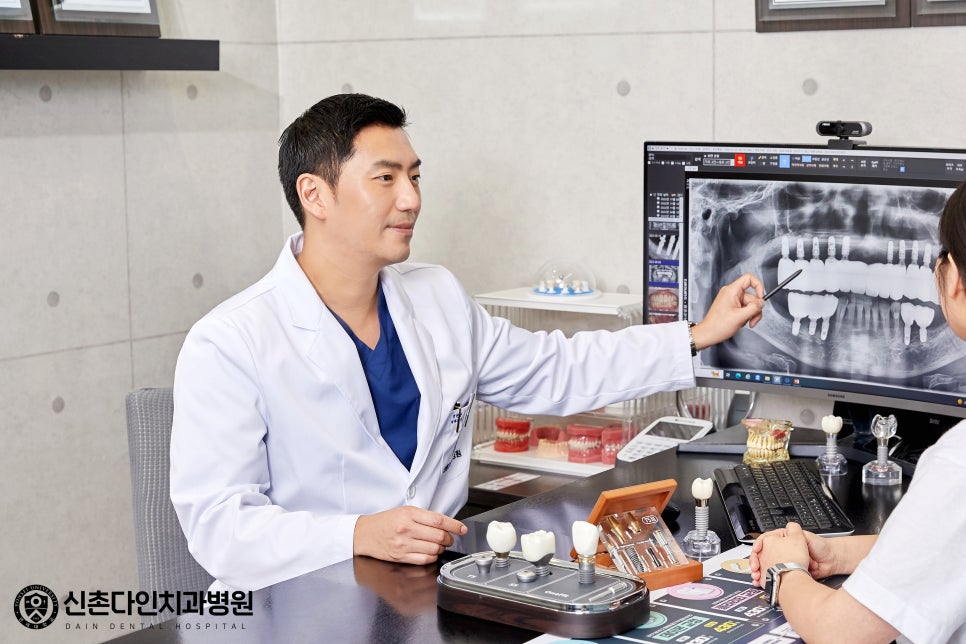
If the tooth is close to the nerve canal, nerve damage or sensory changes can occur during extraction, so you should look for a clinic with medical staff who have extensive experience.
At the Sinchon wisdom tooth clinic, doctors with dental degrees from Yonsei University and PhDs in dentistry were performing wisdom tooth extraction procedures based on their extensive extraction experience.
Because the extraction method can vary depending on the individual’s oral health and tooth shape, they were establishing treatment plans through sufficient consultation and examination.
In particular, using digital equipment such as 3D-CT, they carefully identified the patient’s tooth position, size, and degree of impaction before developing a detailed plan and proceeding with treatment.
However, some people were hesitant to receive treatment because they had a fear of dental care due to dental phobia, or because they were very worried about pain.
If you feel burdened by treatment for any of these reasons, you could receive wisdom tooth extraction through sedation treatment using conscious sedation at the Sinchon wisdom tooth clinic.
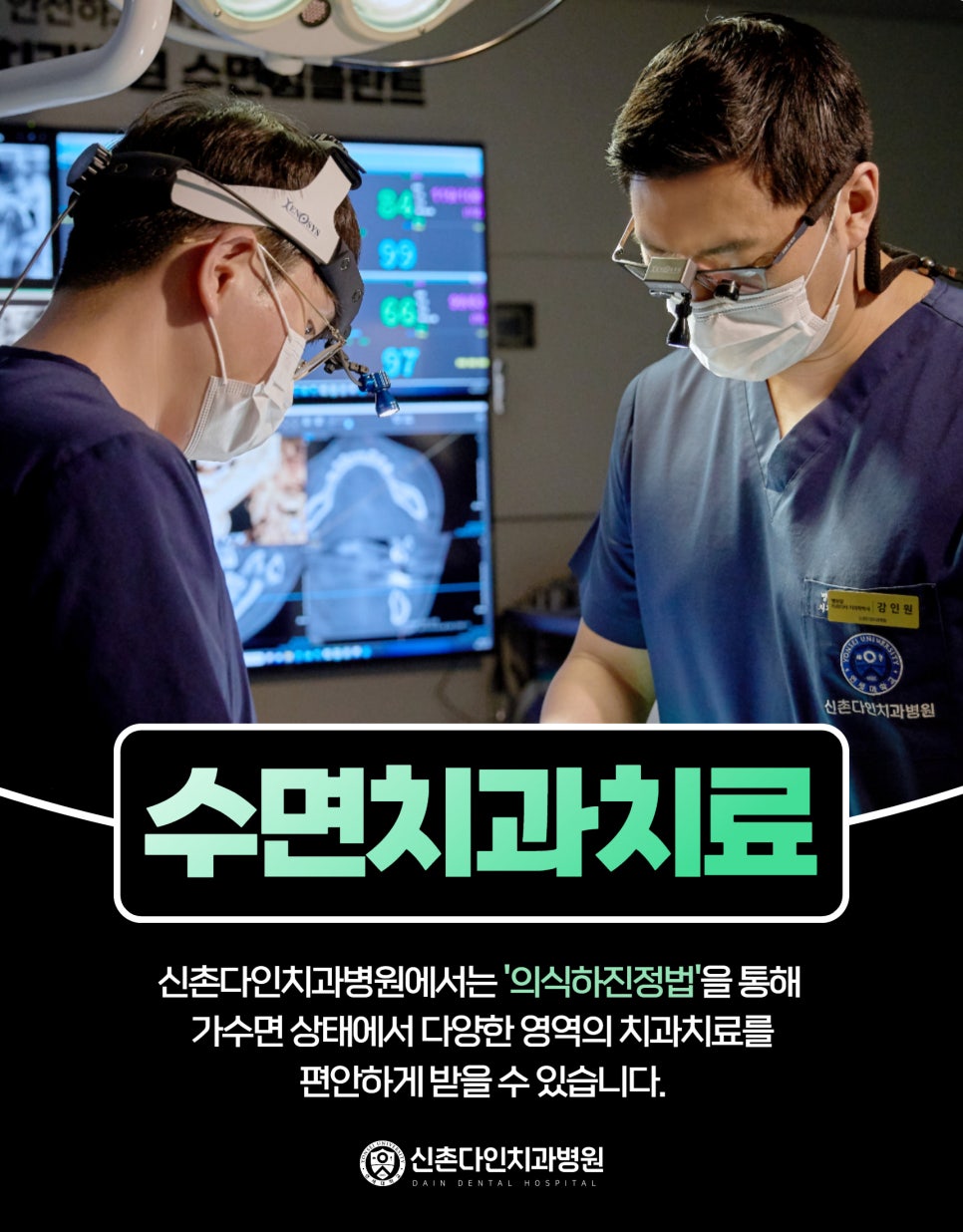
Conscious sedation refers to a method in which the patient is induced into a light sleep state in which self-breathing is possible through a midazolam ampoule, after which treatment is performed.
During treatment, simple communication with the medical staff is possible, and after waking up, patients remember little of the treatment process, allowing them to feel less fear and receive care comfortably.
Sedation treatment using conscious sedation was also used for implant placement, root canal treatment, and cavity treatment in addition to wisdom tooth extraction, making it possible to receive various treatments comfortably.
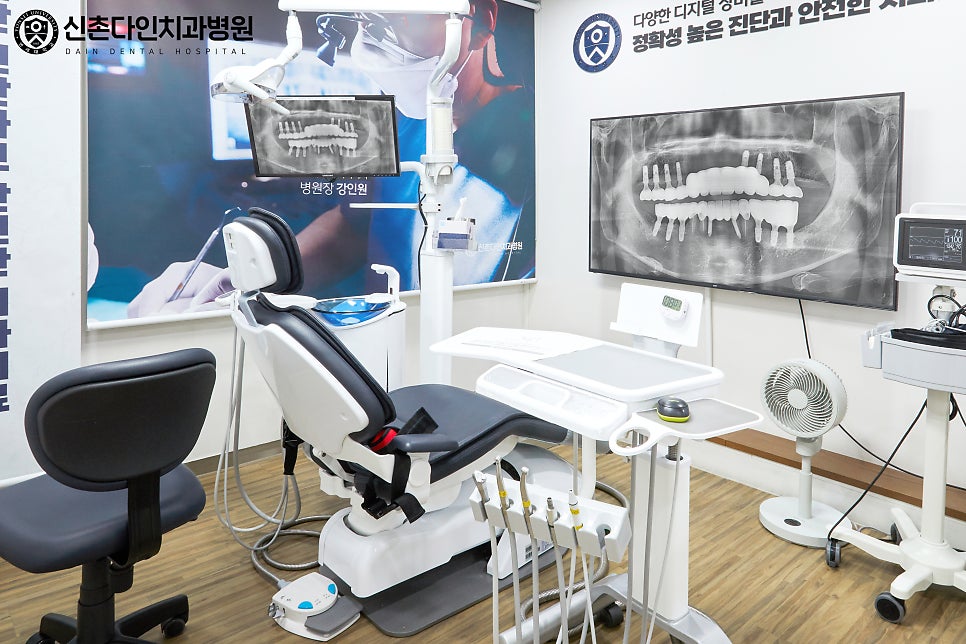
At the Sinchon wisdom tooth clinic, to ensure a smooth treatment process, they continued treatment while checking pulse, breathing, and other conditions using patient monitoring equipment.
If you still felt a little sleepy after sedation treatment using conscious sedation, you could rest for a while in the recovery room before going home.
For patients who found it difficult to visit during the day, evening consultations were available until 9 p.m. every Monday and Wednesday, so please keep this in mind.

If you have dental insurance but do not know the details, you can check them through the link above.

To view before-and-after treatment photos and handwritten reviews from patients, you can do so after logging in in accordance with the Medical Service Act.
We operate a KakaoTalk channel, so please feel free to contact us anytime for appointment booking or treatment consultations!












Previous image
Next image










Previous image
Next image










Previous image
Next image