Causes of Vitiligo: Symptoms, Treatment,
and Management Methods

Our skin is a protective barrier that covers all organs and tissues of the body.
It is exposed to irritants such as strong sunlight and wind, and protects the body.
After receiving strong ultraviolet rays in the summer, a skin disorder that becomes tanned and stands out is vitiligo, which causes white patches to appear on various parts of the skin.
Today, we will look at the causes of vitiligo, along with its symptoms, and how to treat and manage those symptoms one by one.

Vitiligo is a depigmentation disorder caused by the destruction of melanin-producing cells, resulting in white patches of various shapes and sizes and white hair.
It is a common acquired depigmentation disorder and can occur at any age, but half of patients develop it before the age of 20.
The cause of vitiligo is not clearly known, but it is believed to result from a combination of genetic predisposition and acquired triggering factors.

Specific possible causes of vitiligo include destruction of melanocytes due to autoimmune reactions, genetic factors, and neurological changes.
In middle-aged and older adults, vitiligo often develops due to severe stress, and ultraviolet rays can also be a cause of symptoms.
As mentioned earlier, the age at which vitiligo occurs ranges from immediately after birth to old age, but it is generally known to occur most often between the ages of 10 and 30.
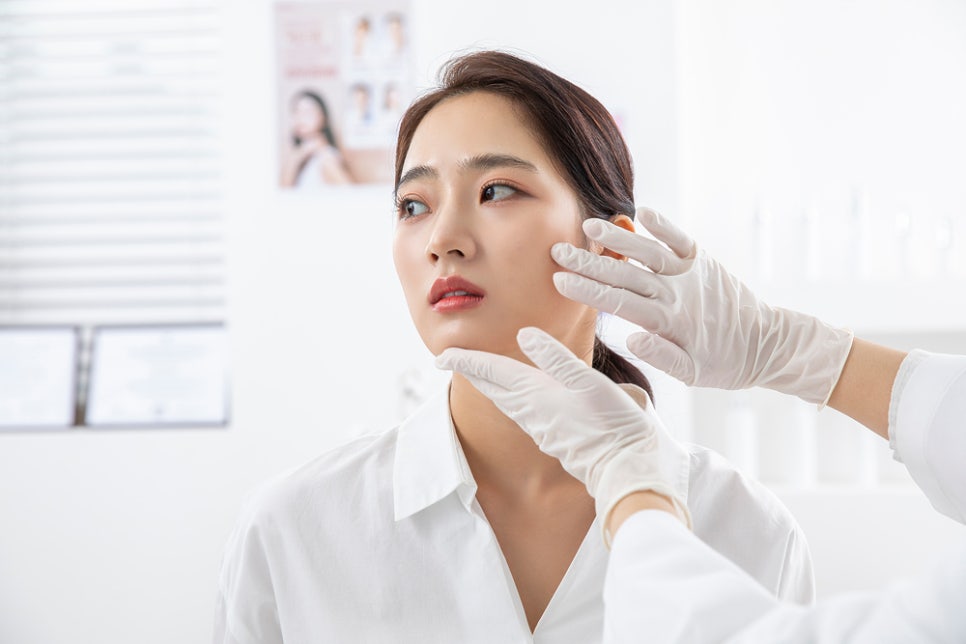
Vitiligo can occur anywhere on the skin,
but it often appears around body openings such as the mouth, nose, and eyes on the face.
It is also frequently observed on areas with prominent bones and frequent friction, such as the hands, feet, and knees, and it can appear on mucous membranes such as the lips and genitals.
Vitiligo begins as depigmented patches of various sizes, either circular or irregular in shape, and the border may sometimes show dark pigmentation.
In most cases, it is not accompanied by symptoms such as itching or other abnormalities besides the depigmented patches, but it may start as small spots that gradually enlarge and spread to other parts of the body.
Vitiligo does not cause major health problems, but if the symptoms are severe, cosmetic concerns may arise and make daily life difficult.
Therefore, if you have vitiligo, it is important to receive treatment and manage it in advance before the patches grow larger or spread to other parts of the body.
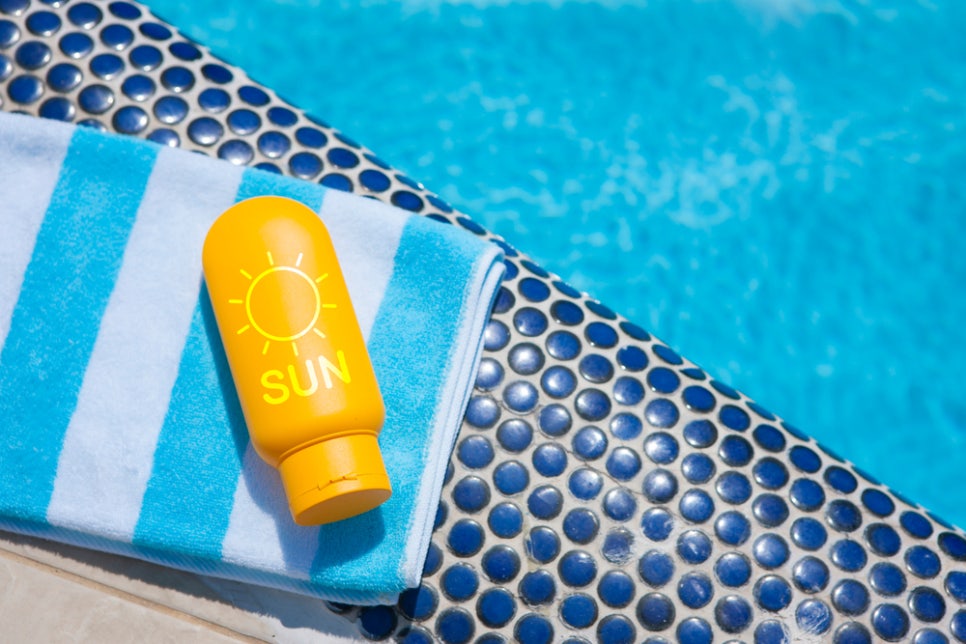
To treat vitiligo, depending on the patient's condition, treatment such as lasers, light therapy, and medication may be used, with the purpose of inducing pigmentation and preventing further spread.
Because this condition can recur even after treatment, it may be helpful for symptom management to reduce ultraviolet exposure by using sunscreen and to manage stress as well.
Today, we looked at the causes of vitiligo, along with its symptoms, and how to treat and manage those symptoms. Please refer to the information above.