Causes, Symptoms, Treatment
and Prevention of Abnormal Uterine Bleeding

Even when there is still a long time left before the expected period date, bleeding can occur. Although the amount may not be large, it can still be noticeable on underwear enough to be hard to ignore.
It can be surprising to have bleeding when it is not the menstrual period, and sudden bleeding like this is called abnormal uterine bleeding.
Today, let’s take a step-by-step look at what causes abnormal uterine bleeding, along with ways to treat and prevent the symptoms.

Abnormal uterine bleeding refers to irregular bleeding that occurs outside the normal menstrual cycle, amount, and duration, and it is one of the symptoms people commonly experience.
In the case of abnormal uterine bleeding, it occurs when it is not the menstrual period, so there is a difference in timing. However, it is difficult to distinguish it from menstruation based on the amount of blood alone.
Even with abnormal uterine bleeding, the amount of blood can be large, and even during a period, the amount of bleeding can be small.

Therefore, what is important to observe is whether there is a difference compared with your usual menstrual cycle and amount. If bleeding occurs outside your cycle or your menstrual flow suddenly becomes heavier, you may suspect abnormal uterine bleeding.
Also, normal menstrual blood and abnormal uterine bleeding are different. In the case of healthy menstrual blood, it appears as dark red for about 3 to 5 days during the menstrual period.
However, if it is abnormal uterine bleeding, the amount of bleeding may be relatively small, and light brown or pink blood may appear only once.

The causes of abnormal uterine bleeding can largely be divided into two categories: hormonal imbalance and diseases affecting the uterus.
In the case of hormonal imbalance, it can occur when hormone secretion is affected due to reasons such as severe stress or accumulated fatigue.
In addition, sudden weight changes due to extreme dieting, obesity, and medication use can also cause abnormal uterine bleeding.
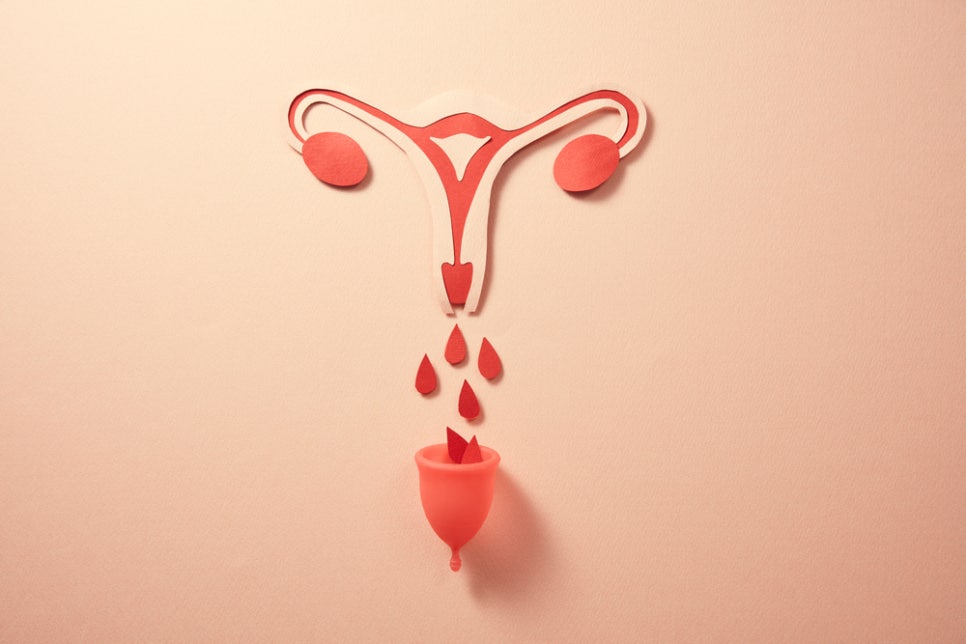
As causes of abnormal uterine bleeding, there are also cases where there is a problem with the reproductive organs such as the uterus or ovaries, and conditions such as uterine fibroids or endometritis can lead to abnormal bleeding.
Because abnormal uterine bleeding can occur due to various causes like these, it is important to perform appropriate tests to identify the cause.
If abnormal uterine bleeding occurs, treatment is carried out according to the cause. If a uterine condition is the cause, treatment for that condition must be provided.

If hormonal imbalance is the cause, medication treatment can be performed by taking hormone medication to correct the imbalance.
To help prevent symptoms in daily life, it is also important to maintain regular habits. You should avoid sudden weight loss, reduce stress, and get enough sleep.
Today, we looked at what causes abnormal uterine bleeding, along with ways to treat and prevent the symptoms. Please use this information as a reference.