Causes, Treatment of Keratitis Symptoms
and Prevention Methods

Recently, as the amount of time spent using electronic devices such as smartphones and monitors has increased, eye strain has also increased, making it more common for eyes to become red or sting.
Our eyes are important organs responsible for vision, so they require careful care. However, inflammation can sometimes develop in the eyes, causing pain.
Today, let’s look at what causes keratitis, as well as keratitis symptoms and methods for treating and preventing them.
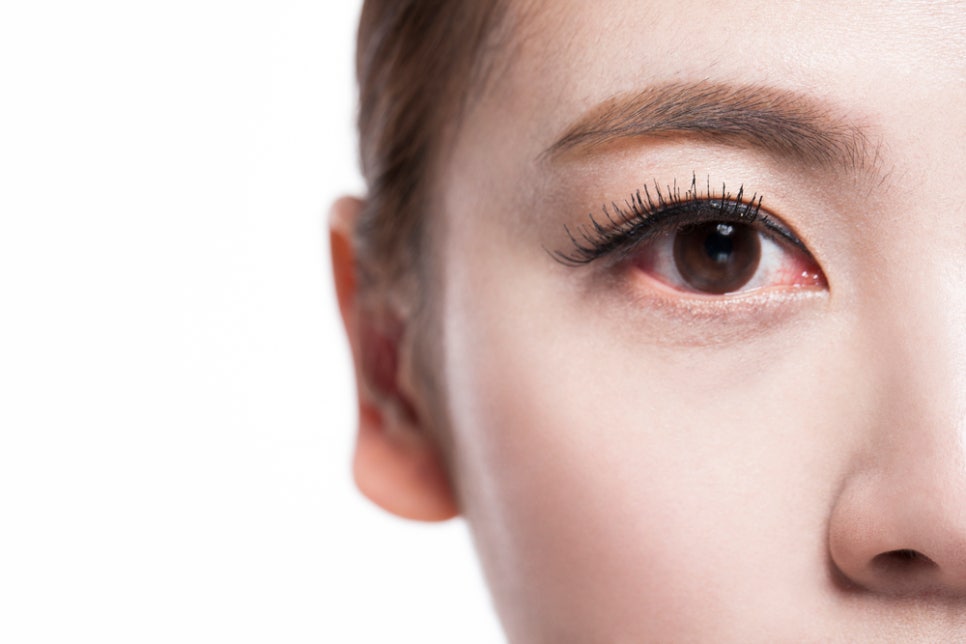
The convex part that covers the black part of the eye is called the cornea, and the cornea is a tissue that is transparent like glass.
Keratitis is a disease in which inflammation occurs in the cornea, and it is one of the conditions that can cause various symptoms such as pain, redness, and decreased vision.
The causes of keratitis can be divided into infectious and non-infectious types. In the case of infectious keratitis, it is caused by infection with pathogens such as bacteria, viruses, or fungi.
Among the bacteria that cause infection, infections caused by staphylococci and Pseudomonas aeruginosa are common, and among viruses, infections caused by herpes simplex virus are relatively common.
Non-infectious factors include exposure keratitis, which occurs when the cornea is continuously exposed to air, and toxic keratitis caused by improper administration of eye drops.
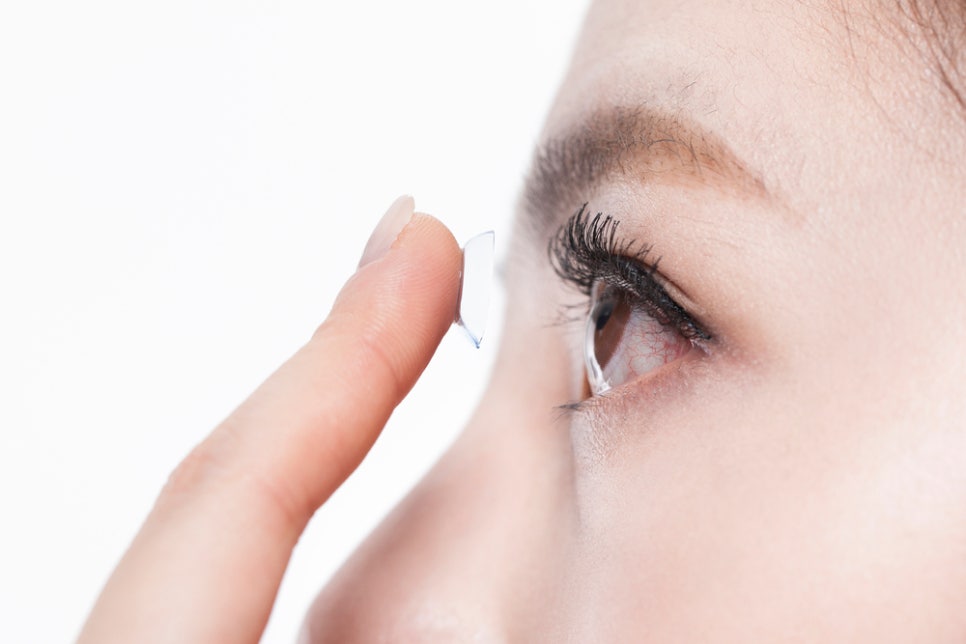
In addition, keratitis can develop due to corneal nerve damage, and symptoms may be triggered by corneal injuries that occur during the use of contact lenses.

As such, keratitis can be caused by various factors, and the symptoms that may appear are also diverse. Early symptoms include reduced vision, pain, and redness.
There may also be a foreign body sensation, increased eye discharge, light sensitivity, and increased tearing.
If keratitis symptoms are severe, it is one of the eye diseases that can even lead to corneal ulcers, so it is important to make efforts to manage symptoms and prevent them in daily life.

To diagnose keratitis, slit-lamp microscopy for observing the eye, bacterial culture tests to identify the causative organism, and smear tests can be performed.
If the cause is an infection, drug treatment with broad-spectrum antibiotics is carried out until the bacterial culture results are available, and once the results are out, treatment is continued with the appropriate medication.
Efforts should also be made to manage symptoms and prevent them in daily life. First, if you wear contact lenses often, it is important to disinfect and care for them thoroughly.
It is also best to avoid wearing contact lenses for too long, and you should be careful not to fall asleep while wearing them.
In addition, to prevent keratitis, you should avoid rubbing your eyes with unclean hands and should not use eye drops carelessly without a prescription.
Today, we looked at what causes keratitis, as well as keratitis symptoms and methods for treating and preventing them. Please refer to the information above.