Causes of Hyperventilation Syndrome and
Symptoms, Ways to Respond, and Improvement Methods
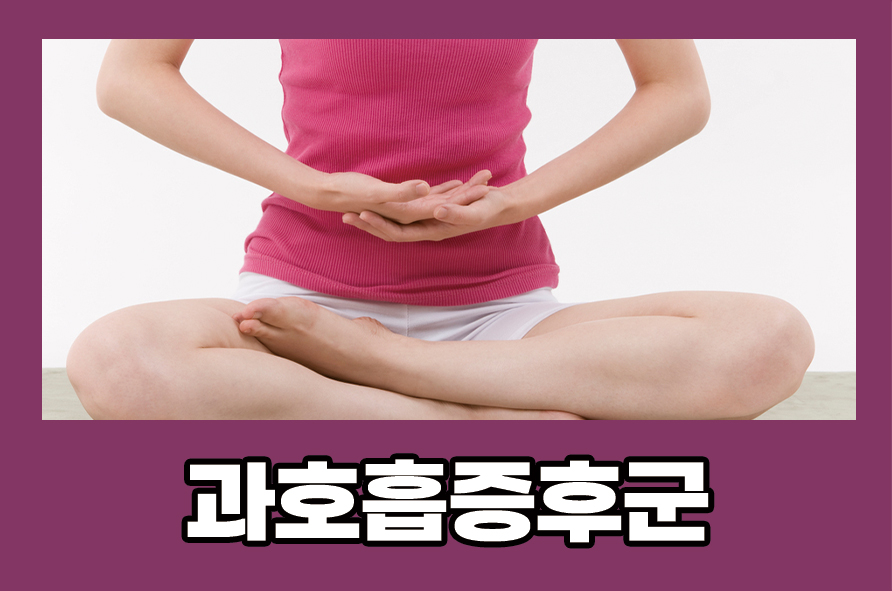
When you go to a crowded area or become severely tense,
you may suddenly feel tightness, become short of breath,
and have difficulty breathing.
If you suddenly become short of breath and are unable to
breathe normally in a certain situation, hyperventilation
may be suspected.
Today, we will look at what causes hyperventilation syndrome,
what symptoms may appear, and how to respond to and improve
those symptoms.
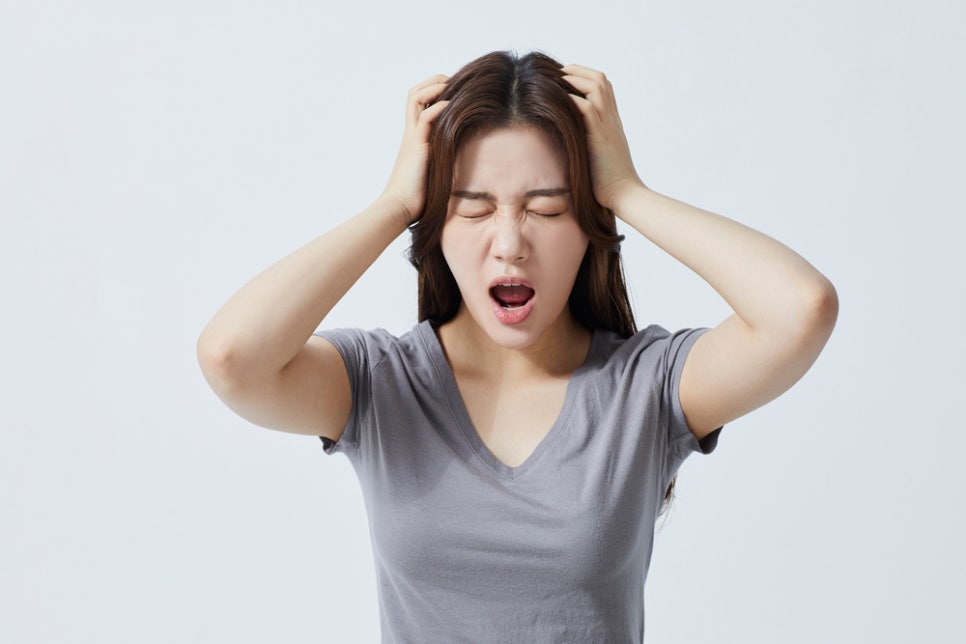
This condition is known as one that mainly affects entertainers
who stand before many people, but anyone can experience it if
they are often tense or under a lot of stress.
Our body normally takes in oxygen and expels carbon dioxide
through breathing, keeping the concentration of carbon dioxide
in arterial blood within an appropriate range.
However, hyperventilation syndrome refers to a condition that
occurs when excessive breathing causes too much carbon dioxide
to be expelled, lowering the carbon dioxide concentration in
arterial blood below the normal range.

If breathing suddenly becomes faster, the amount of oxygen
entering the body decreases, the amount of carbon dioxide
being expelled increases, and various abnormal symptoms may
occur in the body.
You may experience these symptoms for various reasons. First,
symptoms may appear due to physical causes such as lung disease
or heart disease.
Symptoms may also occur due to fever or medication, and
hyperventilation can also happen because of pain or pregnancy.

Symptoms may also appear due to psychological causes.
Psychological stress is the main cause, and anxiety and tension
can lead to hyperventilation.
In particular, once symptoms are triggered, the resulting
feelings can increase anxiety again, causing hyperventilation
to continue or symptoms to worsen, creating a vicious cycle.
Symptoms of hyperventilation syndrome include breathing that
rapidly becomes faster within a few minutes, and tachypnea,
in which breathing volume decreases and breathing becomes
more difficult.

In addition, symptoms such as dizziness, visual disturbances,
and decreased consciousness may appear, and symptoms such as
numbness or abnormal sensations in the arms and legs, and
convulsions may also accompany them.
In addition, arrhythmia, in which the heartbeat becomes
irregular, may occur, and in some cases chest pain may occur
because the coronary vessels contract excessively.
A commonly known way to respond when hyperventilation symptoms
appear is to breathe into a paper bag, which helps replenish
the carbon dioxide that is lacking.

However, what you should be careful about is that if you
breathe excessively while holding a paper bag over your mouth,
hypoxia may occur, so you should lift your head from time to
time to breathe in oxygen.
Also, to respond to symptoms, it is good to consciously inhale
and exhale and control your breathing speed, and to improve
symptoms, it is important to treat the underlying condition
and avoid stress.
Today, we looked at the causes and symptoms of hyperventilation
syndrome, along with ways to respond to and improve symptoms.
I hope this was helpful.