Causes of Varicose Veins in the Legs, Symptoms,
Treatment, and Prevention

If your legs often swell and you feel easily fatigued without any particular reason, you may want to consider varicose veins among the various possible conditions.
When your legs feel swollen and heavy, you may think it is simply muscle pain, but if blood vessels are clearly visible through the skin of your calves and thighs, it could be varicose veins.
Today, let’s look at what causes varicose veins in the legs, the symptoms that may accompany them, and ways to treat and prevent those symptoms.
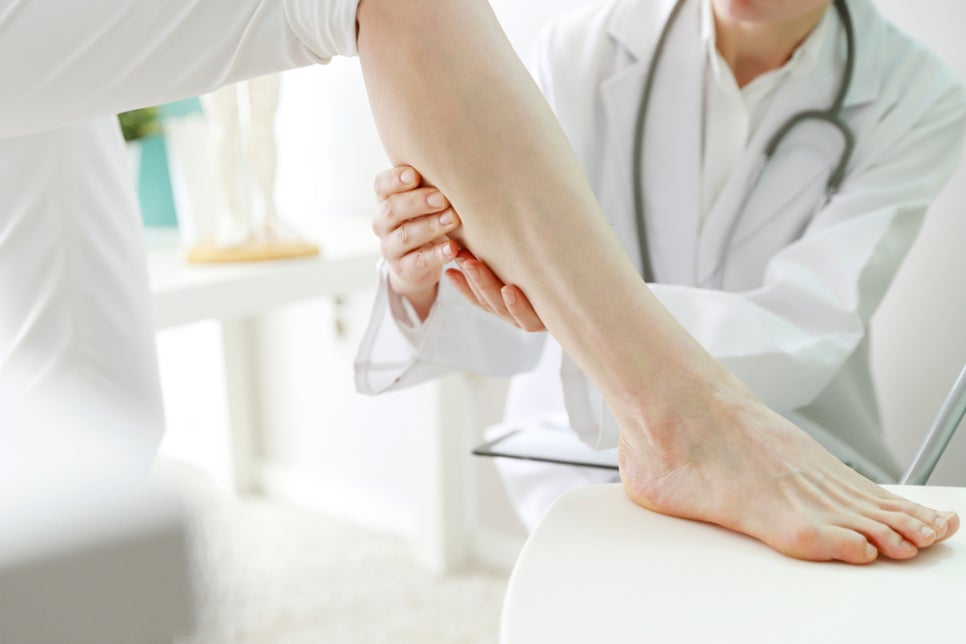
Varicose veins in the legs are a condition in which vein function declines, so blood does not return to the heart properly and flows backward, causing symptoms such as numbness in the legs and a tendency to cramp easily.
Veins are the blood vessels that return blood, which has circulated through the body via the arteries, back to the heart. Because the pressure is low and blood flow is relatively slow, they are greatly affected by inertia.
Varicose veins in the legs occur when pressure on the superficial veins of the lower body increases, causing the enlarged blood vessels to protrude through the skin and leading to leg pain or a feeling of heaviness.
There are various causes of varicose veins in the legs. First, symptoms may appear due to genetic factors, and if a parent has varicose veins, the child may also develop symptoms.
Also, as people age, vein elasticity decreases, and the valves inside the veins weaken, which can lead to this condition due to valve dysfunction.
Pregnancy can also be a cause. Because of the weight of the fetus, pressure is added to the veins, and blood volume and hormone secretion increase to support nutrition, causing the veins to expand and symptoms to appear.
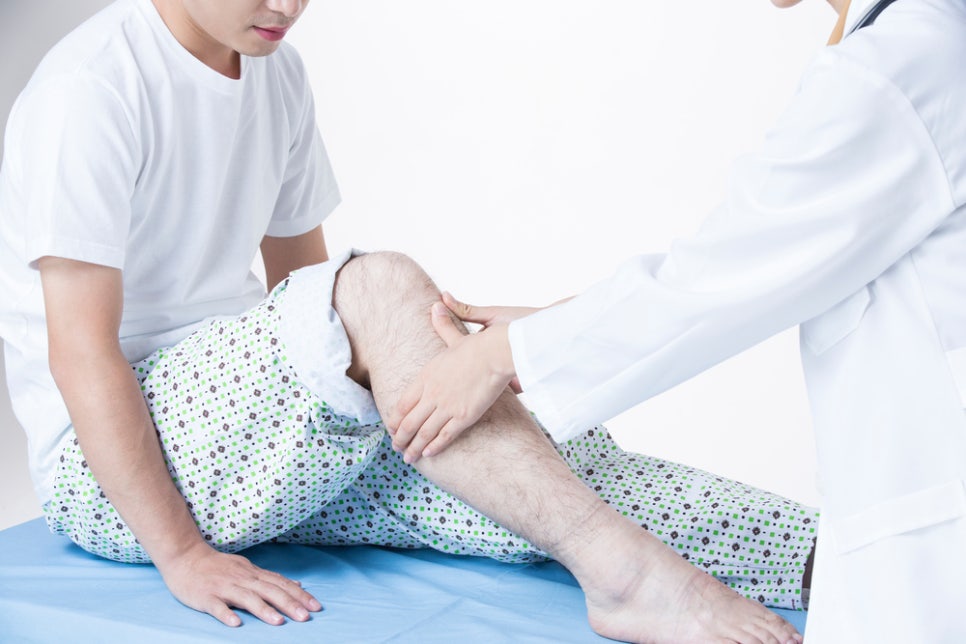
Obesity and being overweight are also causes of varicose veins in the legs. When excess fat accumulates on the vein walls, blood can flow backward more easily, and increased vein pressure can lead to varicose veins.
In addition, people whose jobs require them to stand or sit for long periods may also develop varicose veins because blood circulation in the legs does not work smoothly.
Not only these reasons, but smoking, excessive exercise, and wearing high heels can also cause varicose veins in the legs.
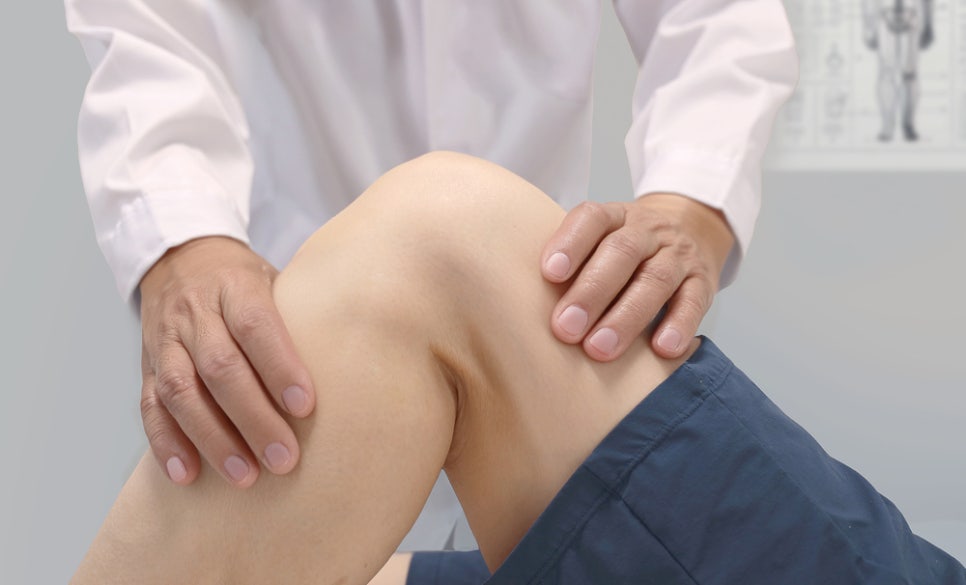
When varicose veins develop, blood vessels may protrude visibly in the legs, and the legs may feel heavy, tired, and sometimes painful in a stabbing way.
The legs may also swell easily, cramps may occur frequently, and symptoms such as itching in the legs or swelling around the ankles may appear.
To treat varicose veins, medical compression stockings and medication may be used, and if the symptoms are severe, laser treatment and surgery are performed.
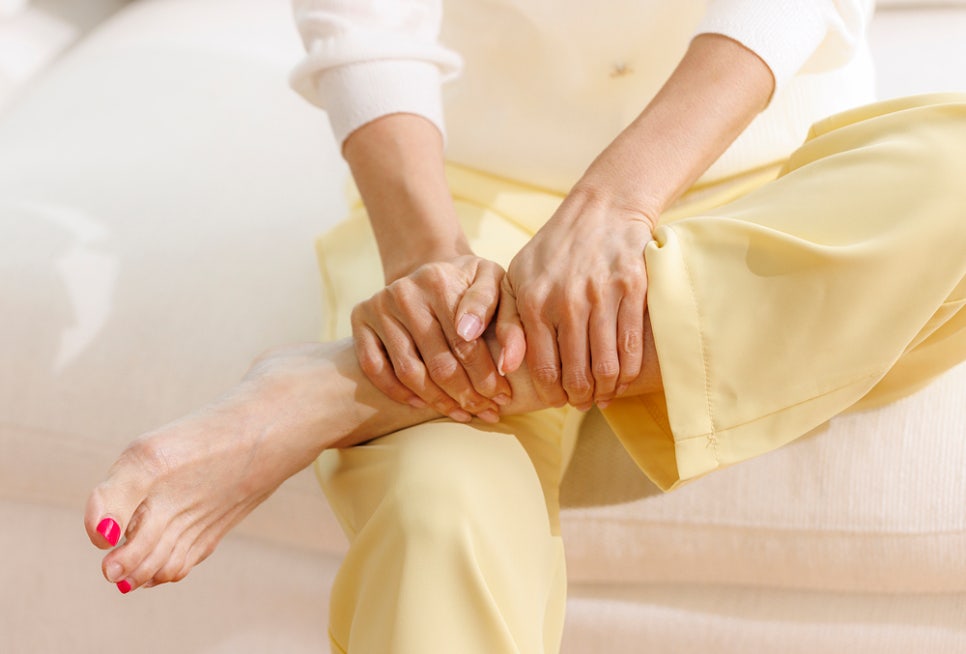
It is also important to make an effort to prevent symptoms in daily life.
It is best to avoid standing or sitting for long periods and to stretch the legs frequently.
You should also be careful not to sit with your legs crossed, and avoiding high-heeled shoes or heels that can increase pressure on the legs can help prevent symptoms.
Today, we looked at the causes of varicose veins in the legs, the accompanying symptoms, and ways to treat and prevent them. Please refer to the information above.