Aspiration Pneumonia: Causes, Symptoms, Treatment, and Prevention
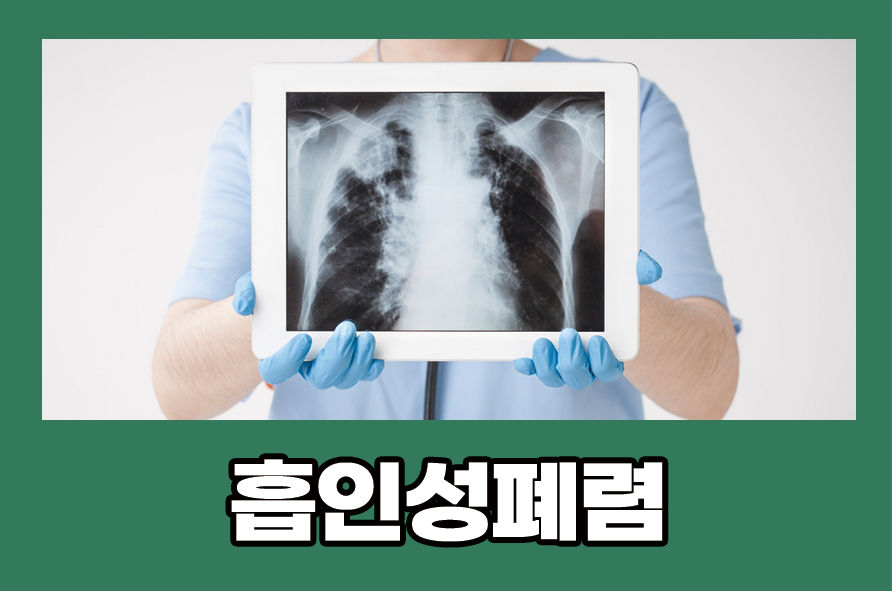
Anyone can choke while eating at least once,
but if choking happens frequently, it can lead to other
problems.
If choking is left untreated, it can lead to serious
issues such as aspiration pneumonia, so it is important to
respond with caution and awareness.
Today, let’s look at the causes of this condition and the
symptoms that can accompany it, along with ways to treat
and prevent it.

Choking occurs when food, saliva, or drinks that should go
down the esophagus enter the airway, and it can happen more
often in older adults and patients with brain damage.
Smoking, coffee, and gastroesophageal reflux disease are also
factors that can make choking more likely, and the habit of
eating food or drinking beverages too quickly can also trigger
it.
The epiglottis plays a role in preventing aspiration into the
airway from food, and if there is a problem with the function
of the epiglottis, even drinking water can cause choking.
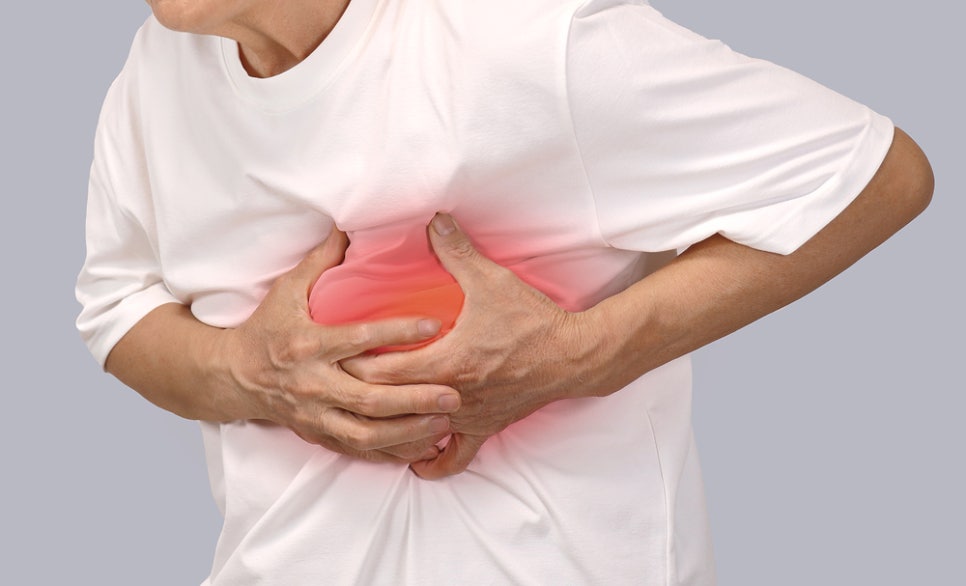
If this choking repeats and causes inflammation in the lungs,
aspiration pneumonia can occur. It is a condition in which
foreign substances or pathogens that are swallowed the wrong
way enter the lungs and cause inflammation.
There are various causes of this condition. First, if you have
a habit of eating too quickly, the epiglottis may not be able
to do its job properly.
As a result, food can enter the esophagus and airway, and as
foreign substances accumulate, they can negatively affect lung
health.

Not only the habit of eating quickly, but also eating by
pouring rice into water or soup and drinking it, or swallowing
food without chewing, can be causes of the condition.
When people think of pneumonia, they often picture symptoms
such as high fever, phlegm, cough, and chest pain, and
aspiration pneumonia can also present with these symptoms.
In older adults, there are cases where only systemic symptoms
such as fever, chills, loss of appetite, and fatigue appear,
without clear respiratory symptoms.
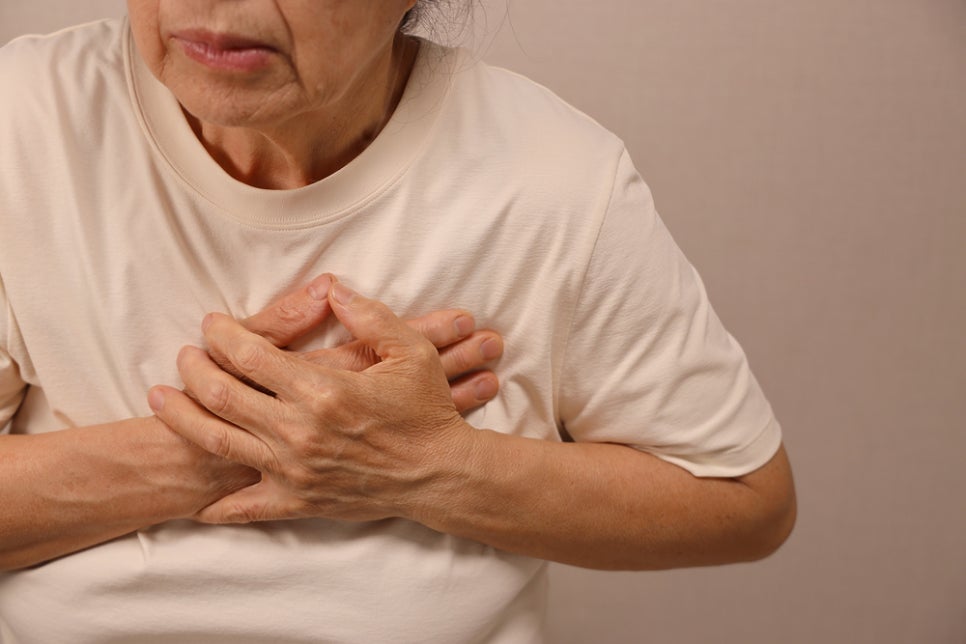
In addition, cyanosis may appear, causing areas such as the
hands and lips to turn blue, and symptoms of shortness of
breath may also occur.
In this condition, symptoms can worsen rapidly and there are
many cases where consciousness becomes clouded, so it is
important to respond with caution.
For symptom treatment, a prompt diagnosis and appropriate
antibiotics are administered, and it is important to prevent
further aspiration.

It is also important to make efforts to prevent symptoms.
Because eating food quickly can cause choking, you should make
it a habit to chew slowly.
Also, to prevent aspiration by preventing food from flowing
back up, you should be careful not to lie down right after a
meal, and it is important to eat in the correct posture.
Today we looked at the causes of aspiration pneumonia, the
symptoms that can accompany it, and how to treat and prevent
those symptoms. Please refer to the information above and take
care of your health.