What Are the Causes and Symptoms of Sleepwalking?
How Can It Be Improved and Managed?
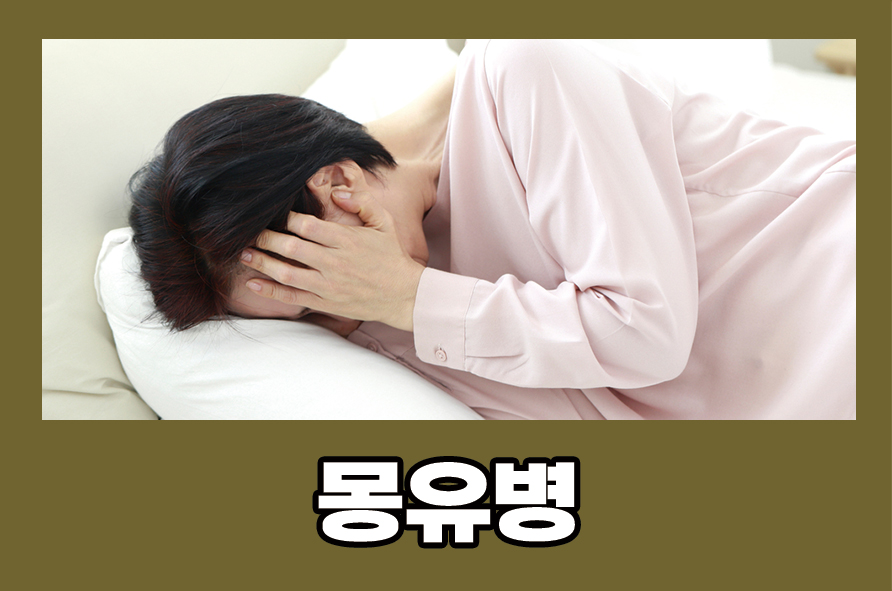
Getting enough sleep is important for living day to day,
because you need enough sleep to recover from physical fatigue
so you can function normally the next day.
However, there are times when someone does not sleep properly at night and suddenly
gets up, walks around, or screams.
If these symptoms are present, sleepwalking may be suspected,
and today we will look at the causes and symptoms of this condition,
as well as how to manage and improve it.

In households with children, there may be times when a child suddenly wakes up in the middle of the night
and screams or wanders around, causing concern.
Sleepwalking is one of the sleep-related behavior disorders that occur while sleeping,
where a person suddenly gets up, walks around, or shows other
complex behaviors.
This symptom appears during deep sleep about 2 to 3 hours after falling asleep,
and in growing children it is a temporary phenomenon that occurs during the development
of the brain and nerves.

In most cases, this symptom disappears after adolescence,
so there is no need to worry, but if it is severe,
treatment may need to be considered.
A normal sleep pattern consists of repeated cycles in which each stage of non-REM sleep and REM sleep
lasts 90 to 120 minutes, and this symptom
mainly occurs in non-REM sleep stages 3 and 4.
During sleep, the central nervous system should stabilize,
but if it remains continuously active for some reason, symptoms
may appear.

Factors that may affect this condition include genetics and
family history, lack of sleep, and alcohol, and severe stress
can also be a cause of symptoms.
In particular, if a child is sensitive and has experienced stress or mental
trauma accumulating over a long period of time, the condition
may be more likely to occur.
Symptoms of sleepwalking include performing simple or complex actions while asleep,
and the person may have a blank expression and unfocused eyes.

Along with simply walking while asleep, a person may do various actions such as
running, getting dressed, urinating, or eating.
Because the person does not remember these actions when they wake up in the morning,
family members or people around them can indirectly judge whether the condition is present.
If these symptoms occur, sleep quality declines and excessive daytime sleepiness
may appear, so if there is a problem, it is important to receive treatment.

If the symptoms are caused by medication or alcohol,
improving the underlying cause may help reduce the symptoms, and it is also a good idea to correct lifestyle habits
to improve symptoms in daily life.
Since accumulated fatigue can worsen symptoms, you should make sure to get enough sleep,
and managing stress appropriately can also help manage the condition.
Today, we looked at what causes and symptoms sleepwalking can have,
and how to improve and manage the symptoms. Please refer to the information above.