What Are the Symptoms and Causes of Raynaud's Syndrome,
and How Is It Treated and Prevented at a Hospital?
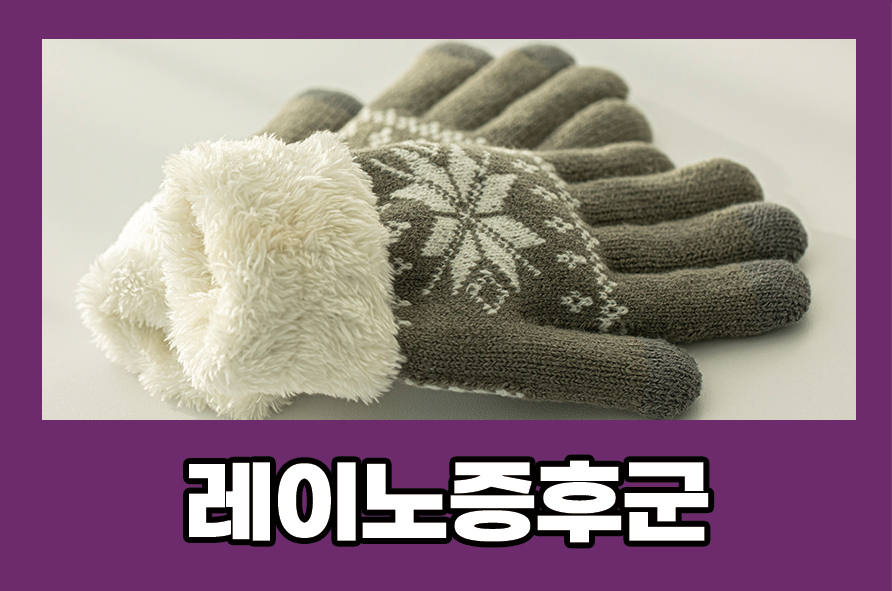
As windy weather turns colder and winter approaches with dropping temperatures,
more people are reporting symptoms of coldness in their hands and feet.
When the hands and feet feel cold and chilled like this, it is easy to simply think of it as poor circulation,
but if the symptoms repeat, it may be a problem with blood vessels or the nervous system.
It could be Raynaud's syndrome. Today, let's look at the causes of this condition,
what accompanying symptoms there are, and how to treat and prevent the symptoms.
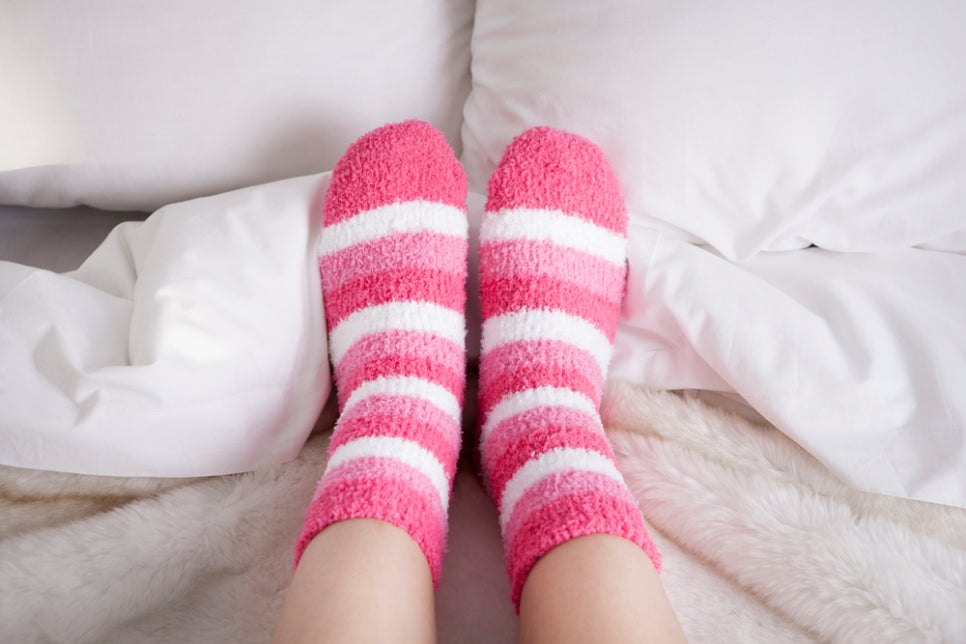
Raynaud's syndrome refers to a circulation disorder caused by abnormally excessive constriction
of peripheral blood vessels due to cold exposure or psychological changes.
The skin color may change to pallor, cyanosis, and redness,
and sensory changes such as pain or numbness in the hands and feet may accompany it.
It can be classified as primary or secondary depending on whether there is an underlying disease.
In the case of primary Raynaud's, it occurs without any particular cause or underlying disease.
In the case of secondary Raynaud's, there is an underlying disease or trigger,
and conditions such as systemic sclerosis, lupus, and rheumatoid arthritis can be causes.
It is also relatively common in women because hormonal changes associated with menstruation,
pregnancy, and childbirth can have an effect.
In addition, wearing clothing that can make the body cold, such as short skirts or thin tops,
or being exposed to cold water frequently while doing housework, can lead to symptoms.
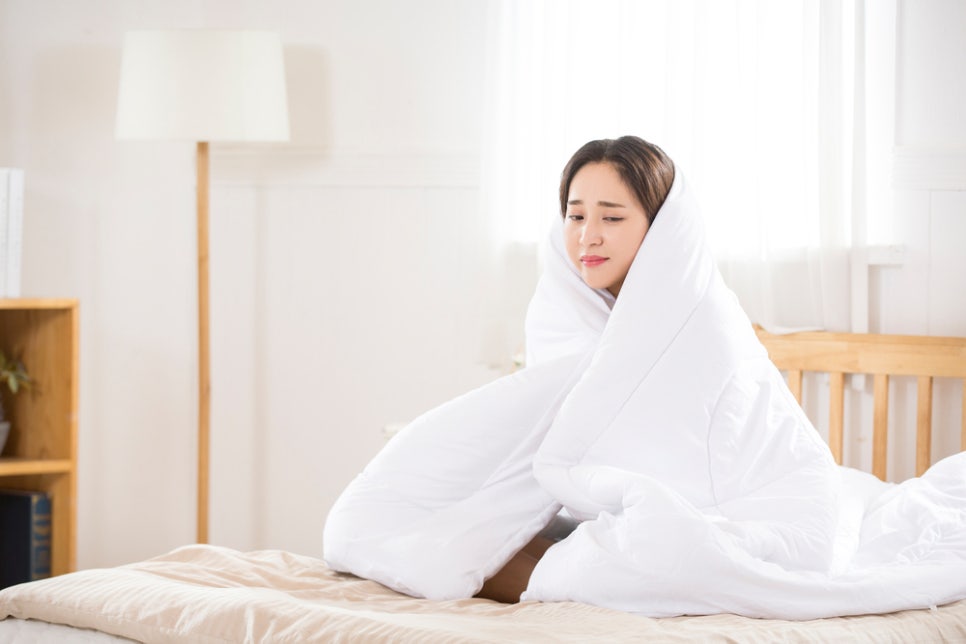
Symptoms of Raynaud's syndrome include excessive constriction of the peripheral blood vessels to the hands and feet,
which makes the hands and feet easily cold and causes cyanosis, where the skin turns pale.
In the case of vascular constriction, it usually lasts about 10 to 15 minutes after the stimulus begins and then eases,
and as it does, the color of the fingers or toes returns to normal.
If your hands or feet are sensitive to cold, or if the area where the color changes becomes numb
or you feel severe pain, you may want to suspect this condition.

If symptoms appear due to temporary causes such as cold exposure,
the symptoms are mild and may improve on their own over time, in which case no special treatment is needed.
However, if it occurs secondary to another condition, it is better to visit a hospital for treatment,
and if diabetes or hyperlipidemia is the cause, treatment for the underlying cause should be carried out.
It is also important to make efforts to prevent symptoms in daily life.
In winter, when temperatures are low, it is important to keep warm by dressing warmly and maintaining body temperature.
It is also best to avoid cold environments as much as possible,
and when exposed to cold, wearing gloves and using a hand warmer can help prevent symptoms.
In addition, it is better to avoid smoking, which can constrict peripheral blood vessels,
and making efforts to reduce stress factors is good for improving symptoms.
Today we looked at the causes and symptoms of Raynaud's syndrome, as well as how to treat and prevent its symptoms.
Please refer to the information above.