Frostbite Treatment Hospital: Symptoms, Causes, and
How to Prevent It
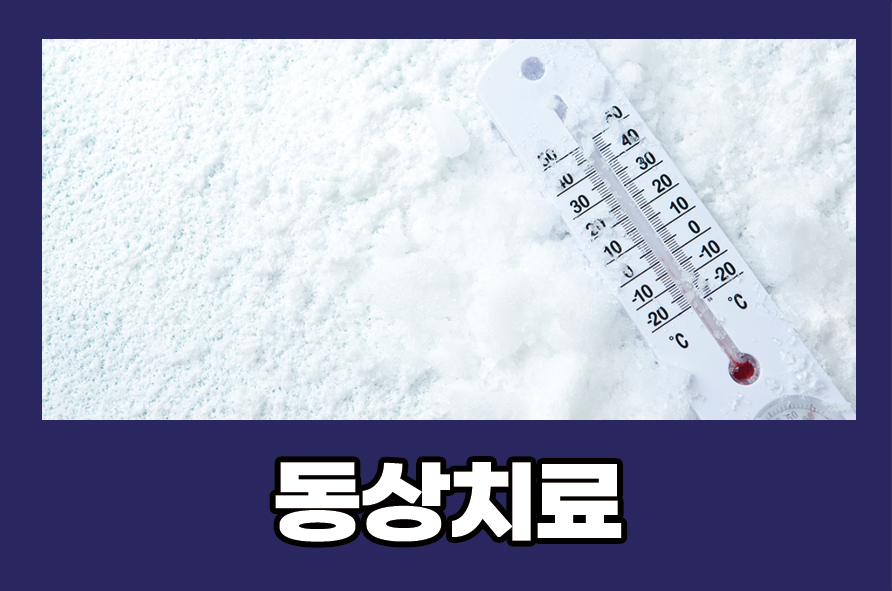
As winter approaches, with temperatures dropping below freezing,
there are often cases of frostbite while hiking to take in the
spectacular scenery seen only in the winter mountains.
When our skin is exposed to cold temperatures and wind for a long
period of time, there is a chance of developing chilblains or
frostbite, both cold-related skin conditions.
Today, we will look at the causes of frostbite, what accompanying
symptoms may occur, and how frostbite treatment and prevention work,
one by one.
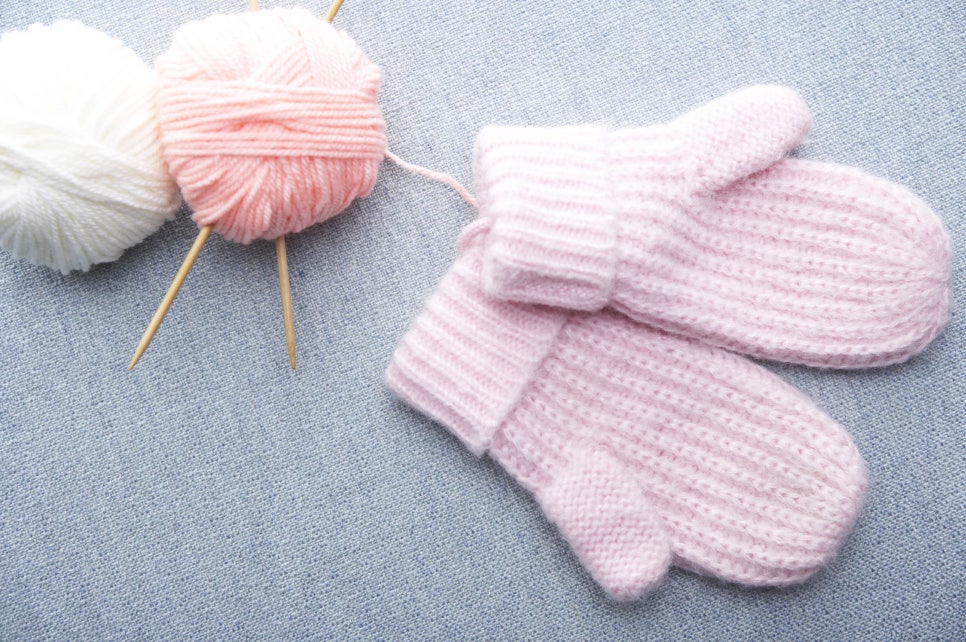
Problems occur when the skin is exposed to below-freezing weather
for a long period of time, because the skin temperature drops and
blood circulation does not work well.
As a result, symptoms can range from mild issues such as redness,
itching, and pain to frozen skin and soft tissue, blisters, and even
necrosis.
Frostbite, a cold-related skin condition that can appear on the skin
as a result of a cold wave, refers to a skin disorder in which the
water within skin tissue freezes, causing blisters and possible
necrosis.

Blood circulation in the skin is an important factor in maintaining
body temperature. When exposed to a cold environment or weather for
an extended period, blood vessels continue to constrict.
At this time, blood flow to the extremities decreases, leading to
tissue damage. Frostbite occurs easily in fingers and toes that are
exposed to the cold.
In other words, the cause of frostbite is that the skin's soft tissue
freezes due to a cold wave, creating problems with blood supply, and
it can occur when exposed to an environment with temperatures close
to -10 degrees Celsius.

The symptoms of frostbite can vary depending on the temperature and
the length of exposure, and one common symptom is numbness.
If frostbite is not severe, the skin may feel uncomfortable and
become red, then recover within a few hours. If the symptoms are
severe, the frostbitten area may turn pale.
If the condition worsens further, blisters may form and necrosis may
occur, and even without tissue damage, problems with blood vessels
and nerves can lead to abnormal skin sensation.
In mild cases, recovery may take place within a few days, but if the
symptoms persist, necrosis can occur. Therefore, it is important to
visit a hospital and receive frostbite treatment and care depending on
the symptoms.
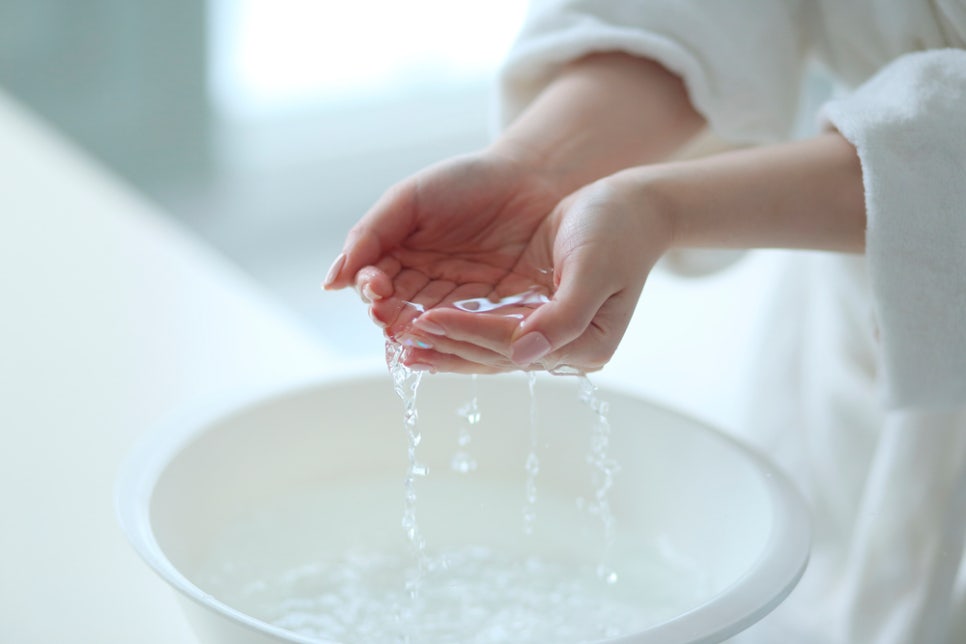
For frostbite treatment, rapid rewarming is commonly used. This
involves immersing the frostbitten area in a warm water bath at
37 to 42 degrees Celsius.
At this time, pain may occur in the frostbitten area, so in such
cases, painkillers may be given as well. If the symptoms are severe,
surgery to remove necrotic tissue may be necessary.

It is also important to make efforts to prevent symptoms in daily
life. Wearing ear warmers, gloves, and similar items helps reduce the
areas exposed to the cold wave.
Also, after being exposed to a cold wave, the body should be
rewarmed in a warm place, and it is important to keep the core body
temperature warm through regular exercise.
Today, we looked at the causes of frostbite, what accompanying
symptoms may occur, and frostbite treatment and prevention methods.
Please refer to the information above and manage your symptoms
accordingly.