Causes of Proteinuria Symptoms and
Related Treatments

Among the many signals that something may be wrong with our health, one of the most representative is urine.
In everyday life, one of the most basic actions is probably excretion such as urination, but if there is more foam in the urine than usual, proteinuria symptoms may be suspected.
Today, I will explain in various ways the causes of proteinuria symptoms, diagnostic methods, treatment methods, and prevention methods.

The condition in which protein is mixed in and excreted with urine is called proteinuria, and in a typical adult, less than 50 mg of protein is excreted through urine per day.
However, if more than 300 mg of protein is excreted, it can be diagnosed as proteinuria symptoms, and it can also appear temporarily after severe exercise or high meat intake.
However, the main cause of proteinuria is kidney disease, and it is especially common in people with metabolic diseases such as diabetes and high blood pressure.

Proteinuria symptoms may also appear when a disease develops in the glomeruli that filter blood in the kidneys, and in addition, they may occur due to temporary functional abnormalities such as urinary tract infections.
If, when urinating, there is a relatively large amount of foam compared with the average person, and the foam remains for a long time after it forms, this may be suspicious.
If proteinuria has already progressed, the total amount of protein in the body becomes lower than normal, which may cause symptoms such as shortness of breath and edema, so caution is needed.

If foam in the urine persists for a long time, it is good to visit a related hospital and examine it more precisely through imaging tests or blood tests.
In general, a urine dipstick test is performed, and this is a method of diagnosis based on color changes due to the chemical reagent interaction on the dipstick strip that reacts to protein.
If proteinuria is 40 mg or more, it is very severe proteinuria, and the greater the amount or the longer it persists, the faster kidney function declines, so appropriate treatment is necessary.
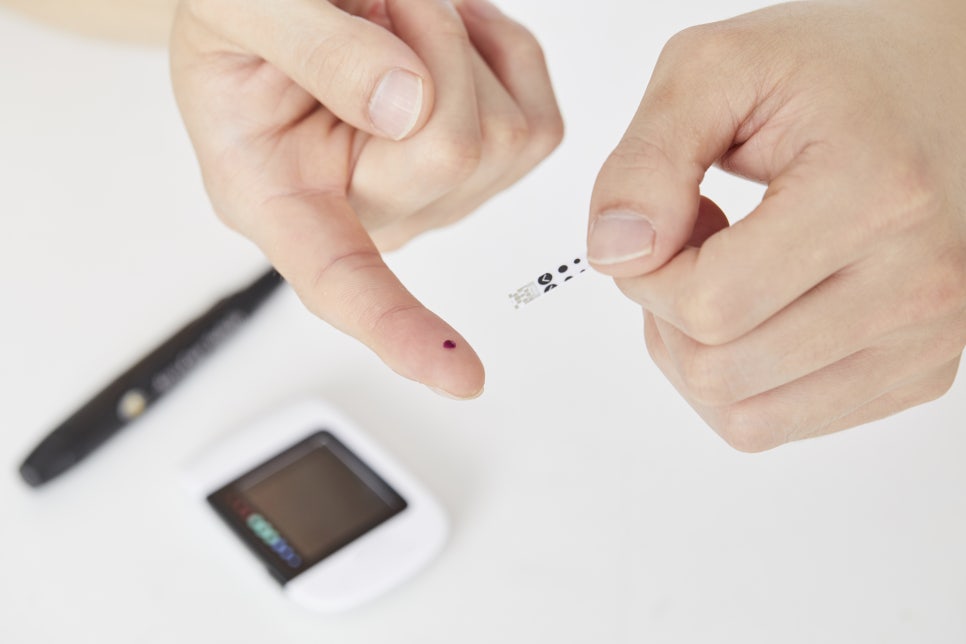
In particular, older adults are in a high-risk group for kidney disease, so it is good to regularly check whether there are any problems with kidney function through glomerular filtration rate tests.
If chronic kidney disease is suspected, treatment is carried out by dividing it into stages 1 to 5, and in stages 1 to 2, the underlying disease is treated first.
From stage 3 onward, medication is used with the goal of slowing the rate at which kidney function declines, and if it reaches the end stage where the glomerular filtration rate has dropped below 15 mg per minute, dialysis or kidney transplantation must be performed.

To keep the kidneys healthy in daily life, weight management is important, because the more body fat there is, the more strain it can place on the kidneys.
To manage weight, consistent exercise and dietary control are necessary, and excessive sodium intake can raise blood pressure and reduce kidney function, so rather than eating stimulating foods, it is better to eat blander meals.
If you think you normally have a lot of foam, please visit a related hospital together with a urine stick test and improve with appropriate treatment.