To prevent shingles vaccination
must be done

In a cold winter like now, immunity tends to weaken easily,
so there are many illnesses to be careful about. Among them,
one representative disease is shingles.
Because its early symptoms, such as fever and general
fatigue, are similar to a cold, many people leave it untreated.
However, as time passes, pain like being stabbed with a needle
appears, and many patients complain of severe suffering.
Today, I will explain in various ways about shingles
vaccination, causes, symptoms, diagnostic methods, and
treatment methods, which are often called the ultimate pain.

The disease caused by the varicella-zoster virus occurs when
the virus left behind after having chickenpox in childhood
remains latent in the body and reactivates when immunity
declines.
When immunity drops, it emerges along the nerves and causes
severe pain along with a rash on the skin, so it mainly occurs
affecting areas where nerves are present, such as the torso,
buttocks, arms, and legs.
In the past, it was common mostly among middle-aged and older
adults in their 50s and above, but recently, the incidence
among younger people has been increasing due to frequent
gatherings, overwork at the workplace, stress, and lack of sleep.
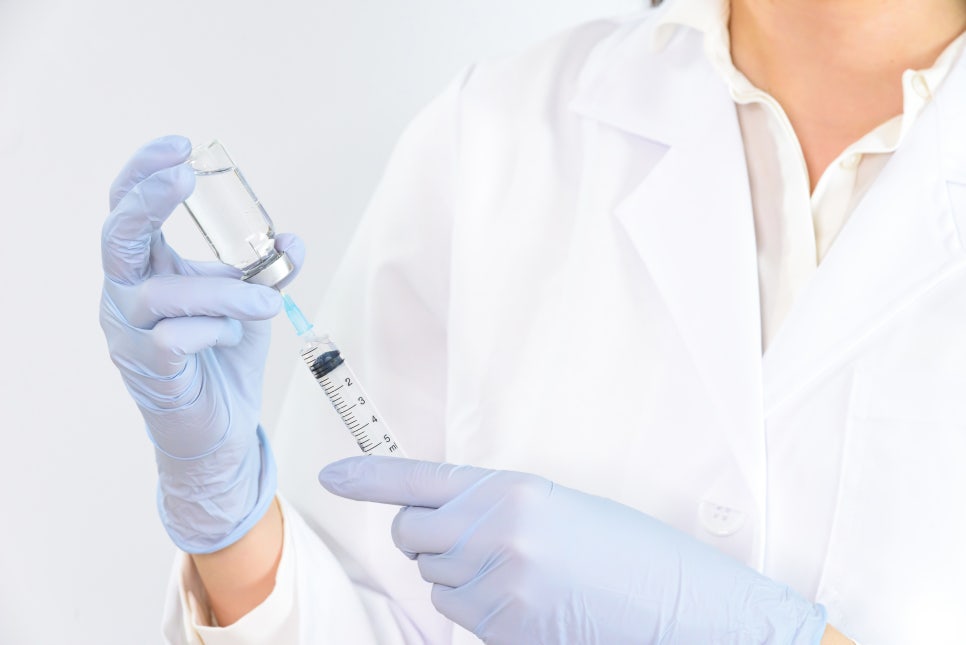
Shingles spreads along the body's nerves, and lesions with pain
and blisters appear in the areas supplied by those nerves.
The initial symptoms are characterized by severe pain and
abnormal sensation on one side of the body, followed soon
after by a blister-like rash.
After some time, the rash turns into pus-filled blisters and
gradually disappears, but the most frightening aspect of this
disease is that complications can accompany it.
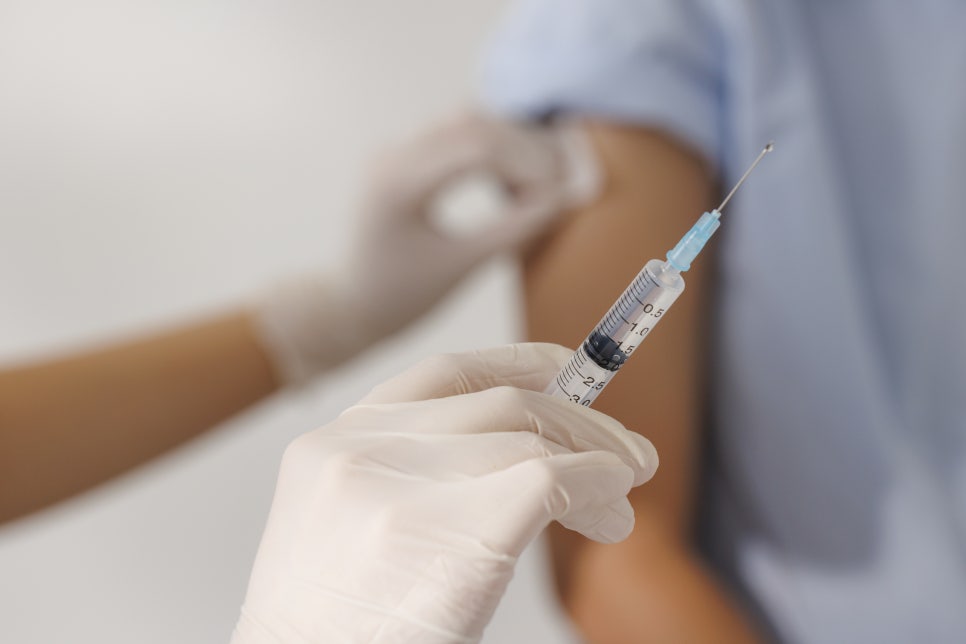
In particular, when it develops on the face or ears, it can
progress into severe problems such as facial nerve paralysis,
and if the nerves are affected, it can lead to encephalitis or
motor nerve paralysis, so caution is needed.
Recently, shingles has also been increasing among people in
their 20s and 30s, so it is best to get the shingles vaccine
if possible.
In particular, middle-aged and older adults in their 50s and
above should consider the shingles vaccine. It is effective in
reducing the likelihood of onset and preventing progression
to the nerves.

If symptoms develop, treatment should be received within 72
hours of onset. During this period, the virus can be suppressed
through the administration of antiviral drugs.
At the same time, taking nerve-related medication or, if
necessary, undergoing nerve treatment together can also reduce
the risk of aftereffects.
Because it is a viral disease, there is also the possibility of
contagion. If blisters burst, there is a chance it may spread to
nearby areas, so patients should manage their hygiene on a
daily basis.

Above all, to prevent the disease,
thorough hygiene and avoiding contact with others as much as
possible are important.
In a cold season like now, the immune system, such as T-
lymphocytes, is unable to help prevent the virus from becoming
active because its levels decline due to the severe cold and the
stress received in daily life.
Therefore, please try to reduce the stress and overwork you
receive in daily life as much as possible, and improve your
immunity through a balanced diet and consistent exercise.