Drinking Alcohol and Taking Cold Medicine
About the Side Effects
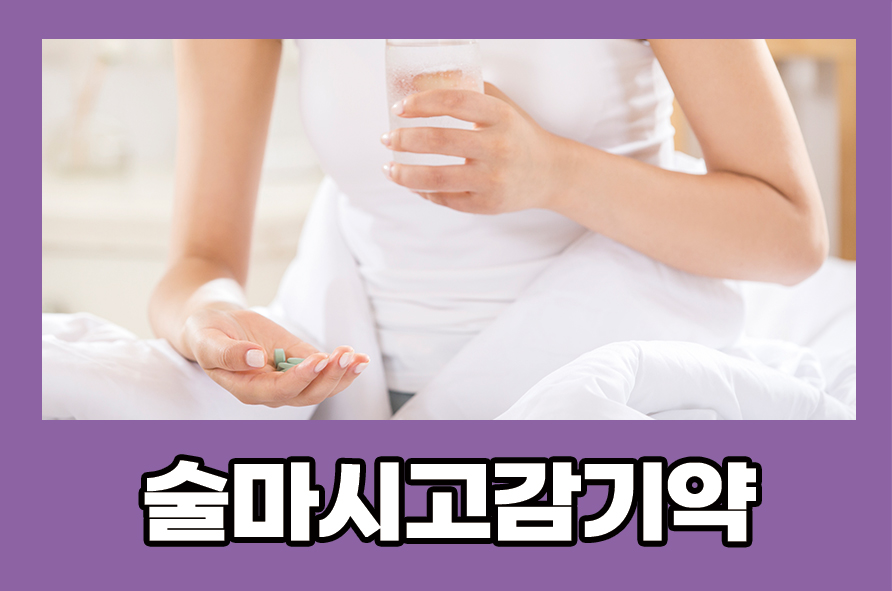
The commonly known way to take medicine is with water, and simply entering the body does not mean the effects will appear right away.
The interaction with food is important, and the effects can differ depending on what foods are taken together, but sometimes side effects may occur.
Today, I will explain in detail whether it is okay to take cold medicine after drinking alcohol, and how side effects may appear.
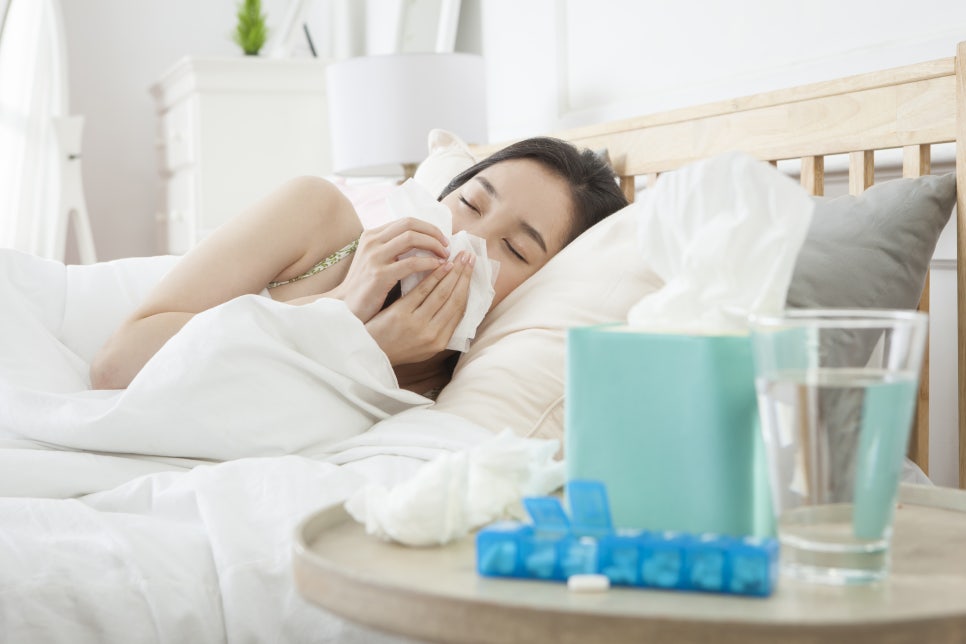
During the cold winter season, the low temperatures and dry environment cause the bronchial mucosa to dry out, preventing it from eliminating viruses and leading to a sharp increase in cold patients.
To overcome this, getting enough rest is important, but in general, people take cold medicine suited to their symptoms for faster improvement.
When the medicine is taken by itself, the whole body may feel weak and drowsy, which occurs because it contains antihistamines.
If the antihistamine ingredient is removed from the medicine, the effectiveness decreases, and the drawback is that cold symptoms do not improve easily.
In addition, cold medicine taken for severe cold symptoms contains acetaminophen, but drinking alcohol and taking cold medicine should be avoided.
If you excessively take a preparation containing this ingredient together with alcohol, it can cause liver damage, and alcohol itself also puts stress on the liver when consumed heavily on its own.
Therefore, taking cold medicine after drinking alcohol can place extreme strain on the liver and also increase the likelihood of other side effects.
If you have a chronic illness or are receiving other treatment, you should avoid taking medicine excessively based on your own judgment.
Also, if you take cold medicine after drinking, you may become intoxicated more easily, and memory loss may also occur, so caution is needed.
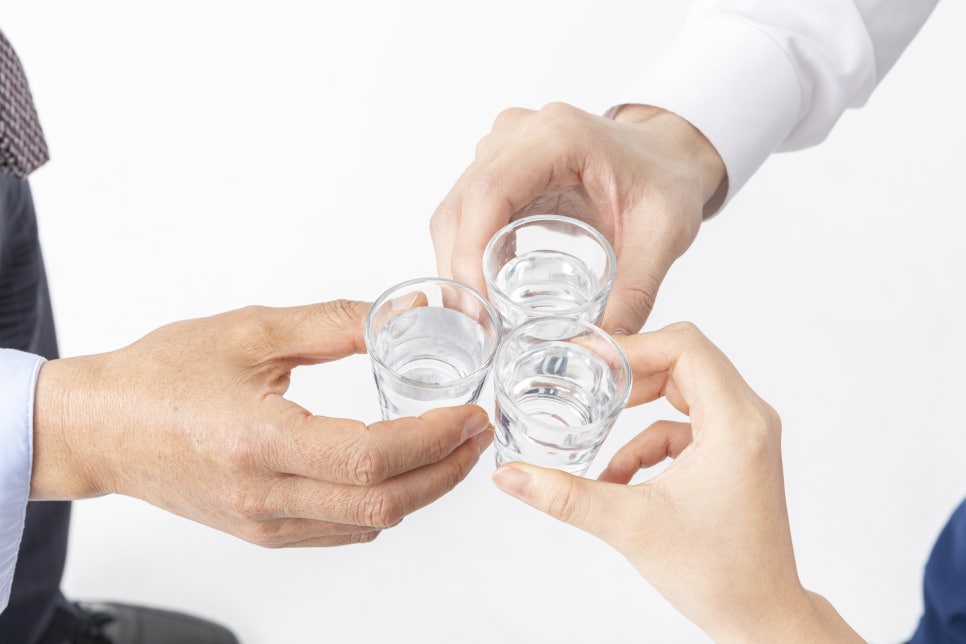
Alcohol is first absorbed through the stomach and intestines, then undergoes a first-pass metabolism in the liver, and alcohol that has not yet been detoxified returns to the liver through the blood vessels.
If medicine is administered before detoxification is complete, it can burden the liver and have a major impact on overall health.
Generally, for about 30 minutes to 2 hours after taking medicine, a lot of the drug remains in the bloodstream, and drinking alcohol during this time should be avoided.
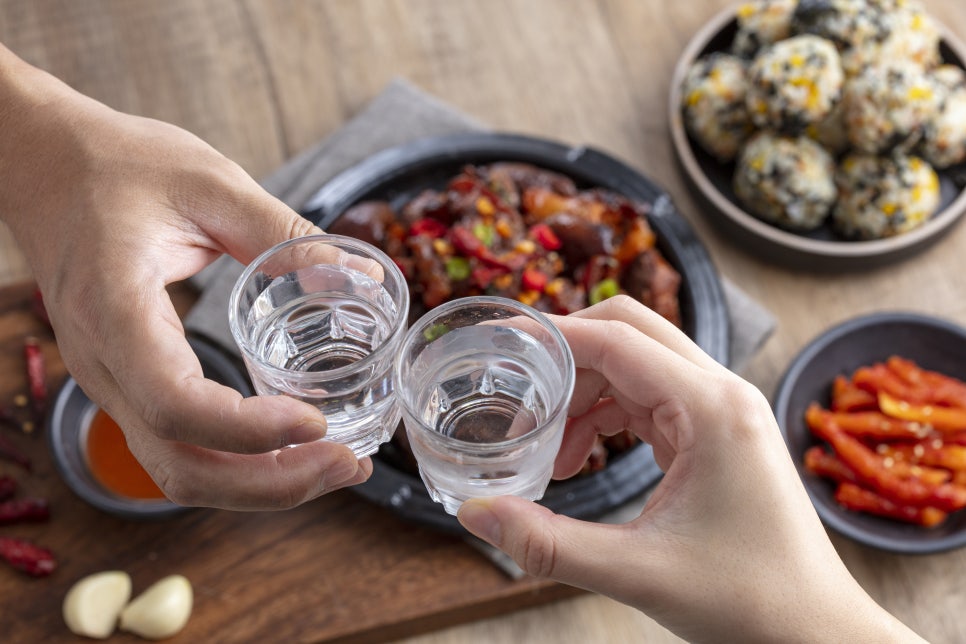
Not only cold medicine, but also other medicines such as lipid-lowering drugs, sleep medications, and antidepressants can negatively affect your health if taken with alcohol.
In particular, if antidepressants are combined with alcohol, their effects may become excessively strong, so it is recommended to abstain from alcohol during the treatment period.
Sedatives or sleeping pills can also have stronger effects, and side effects such as breathing difficulty and hypoxia during sleep may occur, so please be sure to avoid this.