Causes, Symptoms, Diagnosis, and
Treatment of Diabetes Insipidus
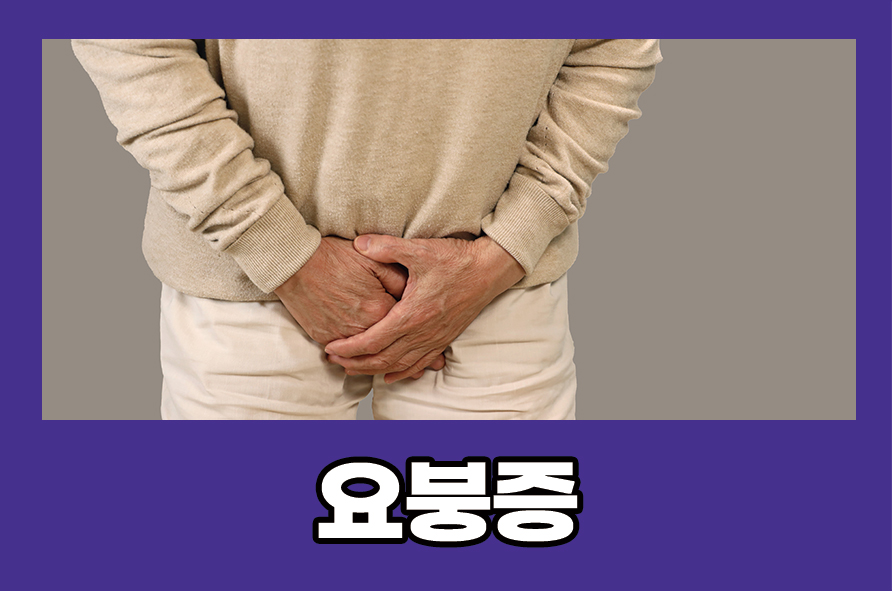
If you do not feel like you usually drink water very often,
but still go to the bathroom more frequently than others,
you may suspect diabetes insipidus.
This somewhat unfamiliar condition is known to cause an
abnormally large amount of urine to be produced compared to
most people, and it is also accompanied by thirst.
Today, I will introduce the causes and symptoms of diabetes insipidus,
diagnosis methods,
appropriate treatment methods, and prevention methods in detail.
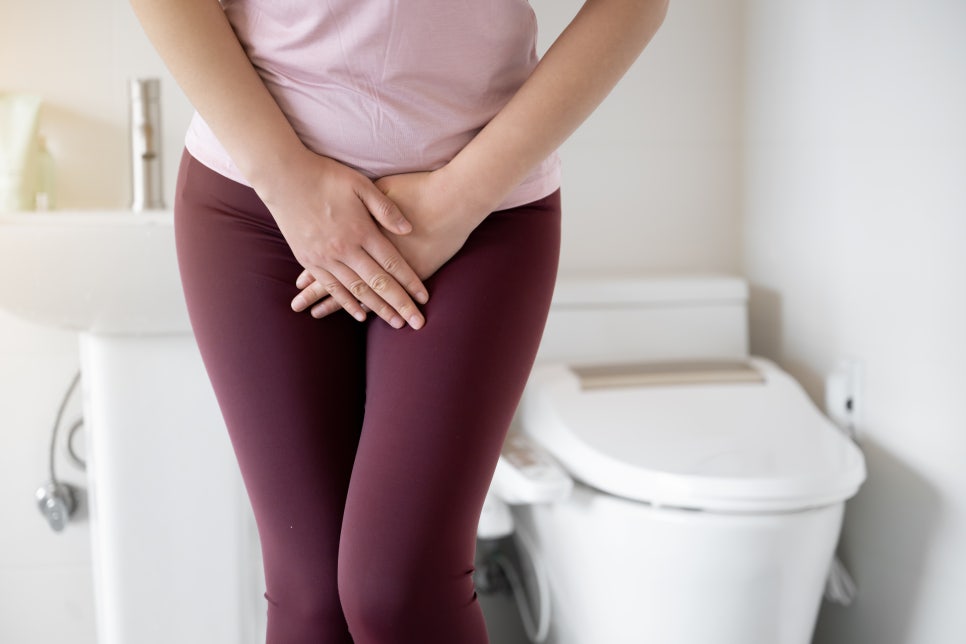
In general, adults produce about 1.5 to 2 L of urine per day,
but if you urinate more than that or if thirst is also
present, you may suspect a condition.
It can be broadly divided into four types depending on the cause,
and first, it occurs when the pituitary gland, which secretes
antidiuretic hormone, is damaged,
so the hormone is not properly secreted.
It can also occur when antidiuretic hormone is secreted properly,
but kidney function abnormalities prevent the body from responding
properly to the hormone, and there are also cases triggered by
drinking too much water.

Patients with this condition gradually find themselves going to
the bathroom more often and have difficulty holding in urine.
They are also likely to experience symptoms such as dehydration
and electrolyte imbalance, but because they are similar to the
early symptoms of diabetes, they are often mistaken for it.
Therefore, it is difficult to clearly distinguish it based on
symptoms alone, so rather than trying to diagnose it on your own,
it is important to visit a relevant medical facility and receive
appropriate tests.

Tests to distinguish it from diabetes include a 24-hour urine test
and a blood glucose test. In the case of diabetes insipidus, the
osmolality of urine drops to 300 modmol/L.
If the urine osmolality is higher than this and blood glucose is
also outside the normal range, diabetes may be suspected, and
diabetes insipidus is a condition unrelated to blood glucose.
Although the condition itself does not pose an inherent danger,
special caution is needed if you have a certain disease, are a child
with weak immunity, or are in an older age group.

In central diabetes insipidus, symptom improvement can be expected
through desmopressin, a synthetic antidiuretic hormone analog,
and the medication dosage varies depending on the patient.
If it is nephrogenic diabetes insipidus, treatment is carried out
with a low-salt diet,
and drug treatment such as the diuretic thiazide and sodium channel
inhibitors is used.
In cases of primary diabetes insipidus caused by drinking water too
frequently on one's own, treatment is provided through counseling
and education rather than medication, and the amount of water
consumed should be checked by the person themselves.
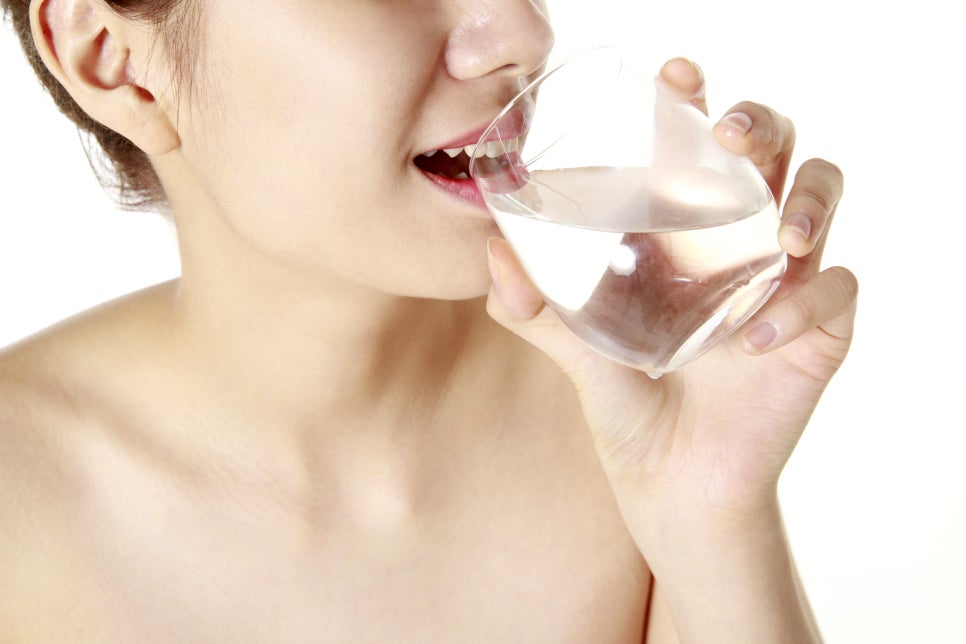
For patients with this condition, even if they drink fluids, it is
better to focus on water and ion beverages, and they should avoid
coffee and alcohol containing caffeine as much as possible.
Alcohol and caffeine are factors that promote diuretic action,
causing the body’s water to be expelled more quickly, which can
lead to a state of chronic dehydration.
In addition, eating a low-salt diet is also helpful, and since
processed foods contain large amounts of sodium, please build your
diet using fresh ingredients.