Swelling of the Gums Around Wisdom Teeth, Impacted
How to Manage After Extraction
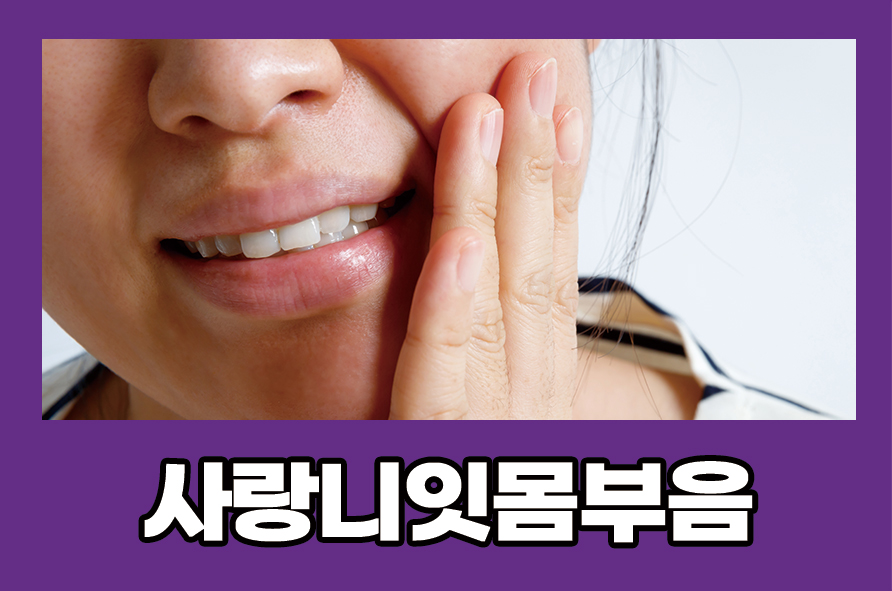
Pain that occurs in a tooth can make daily life uncomfortable,
and especially if the pain is caused by a wisdom tooth in the
back of the mouth, extraction may be considered.
Because wisdom teeth grow after the bite has fully developed,
they often become crooked due to lack of space, or are found
buried beneath the gums.
Today, I’ll explain the causes and symptoms of swelling of the gums
after extraction of an impacted wisdom tooth, along with precautions
and management methods.

Having a wisdom tooth does not necessarily mean it must be removed,
but if it is angled incorrectly, it can cause problems for the gums,
so extraction may be the better choice.
If an impacted wisdom tooth is left untreated for a long time, it is
more likely to cause inflammation and cavities in adjacent teeth,
so extraction should be performed at the proper time.
Because food tends to remain between teeth, creating an environment
where bacteria can thrive, repeated pain and inflammation can
actually make extraction more difficult.
Wisdom teeth that are impacted and growing in an abnormal position
can develop in various forms, such as with curved roots, and if
extraction is performed, extra care is needed.
It is important to apply the appropriate method for each type, and
because these teeth are closely connected to the gum nerve, they must
be removed more safely.
The degree of swelling of the gums after extraction of an impacted
wisdom tooth varies from person to person, but if the extraction is
performed while inflammation has already spread, it can worsen to the
point of affecting daily life.
Also, to prevent swelling of the gums from an impacted wisdom tooth,
it is important to carry out careful aftercare after extraction.
If the extraction site is continuously irritated, not only pain but
also swelling of the gums and worsening of the wound can occur, so
caution is needed.
Also, instead of intense exercise, do simple aerobic exercise, get
plenty of rest, and avoid smoking for about two weeks so that the
area is not irritated while it heals.
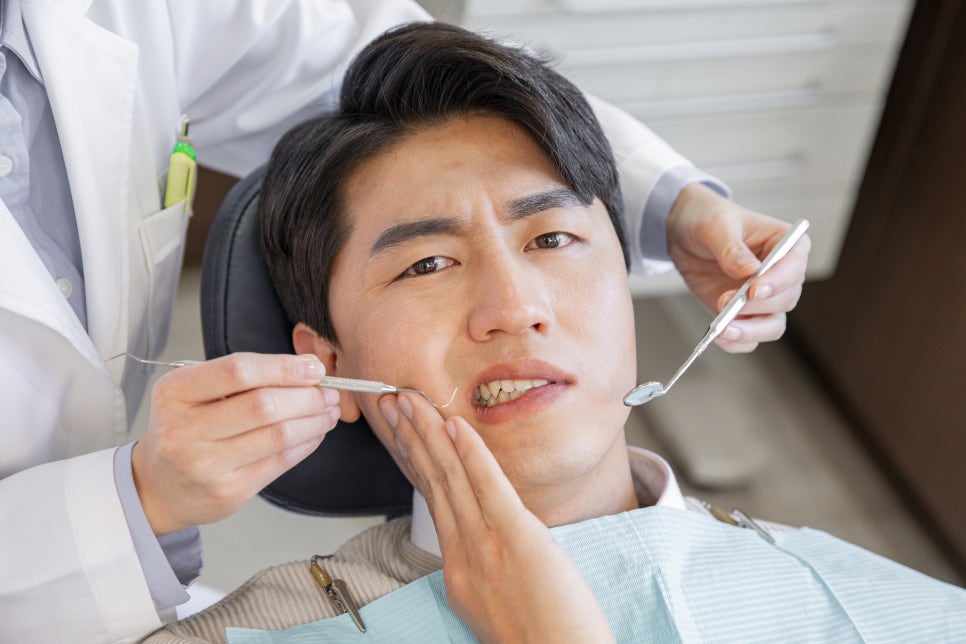
For 24 hours after extraction, it is best to avoid using straws or
spitting, as these actions can irritate the extraction site.
Maintain oral hygiene as usual, and take the prescribed medication at
the appropriate time so that complications such as dry socket do not
occur. Extremely cold or hot foods should also be avoided, and it is
important to chew on the side opposite the extraction.
Even if you are careful with your meals after extraction, foreign
material can get stuck and cause inflammation, so it is good to brush
your teeth promptly after eating.
If you are unable to brush your teeth, rinse your mouth thoroughly
with mouthwash to keep it clean for as long as possible.
Extraction is not always necessary, but if a wisdom tooth is impacted
or is putting pressure on adjacent teeth, please have it removed early.