뚜렛증후군 유전 원인인지
Symptoms, Treatments

If involuntary contractions appear in the facial muscles, or if parts of the body such as the neck and shoulders are repeatedly moved regardless of one’s intention,
tic disorder may be suspected.
If not only repetitive behaviors but also unusual vocalizations
continue for more than one year,
it is called Tourette syndrome.
Today, among tic disorders, I will explain in detail the causes,
symptoms, diagnosis methods, treatment methods, and prevention methods
of Tourette syndrome.

Tic disorder is not a simple habit; it refers to a condition in which many factors
work together to cause a functional imbalance in the brain.
Among such tic disorders, Tourette syndrome can be seen as the most severe
form, and about 85% of patients can suppress their tic symptoms to some extent.
Also, if the symptoms are mild, daily life can be maintained without difficulty,
but if the symptoms are severe, they negatively affect interpersonal relationships and
social functioning.

In general, Tourette syndrome begins with tics at a young age, around
7 years old, and the symptoms gradually worsen before becoming
chronic or developing into a disorder.
The exact cause has not yet been identified,
but it has been reported that many factors such as
genetics, brain injury, hormonal issues, and psychological factors are involved.
To prevent tic disorder from developing into a disorder,
family members must make considerable efforts for the child’s social adaptation,
and consistent treatment is important.

If you visit a related clinic because the child’s symptoms are suspected,
a thorough diagnosis is used to find the fundamental causes of tic disorder and the condition.
Then, based on the diagnostic results, a customized treatment appropriate for the patient’s constitution and condition
is proposed to promote stability in the nervous system.
Even now, the medical community is working to advance treatment methods and provide a better life
based on ongoing research and diverse clinical experience.
Not only treatment but also improving the patient’s lifestyle is important,
and efforts should be made to reduce vague stress gained in daily life
and maintain a regular routine.
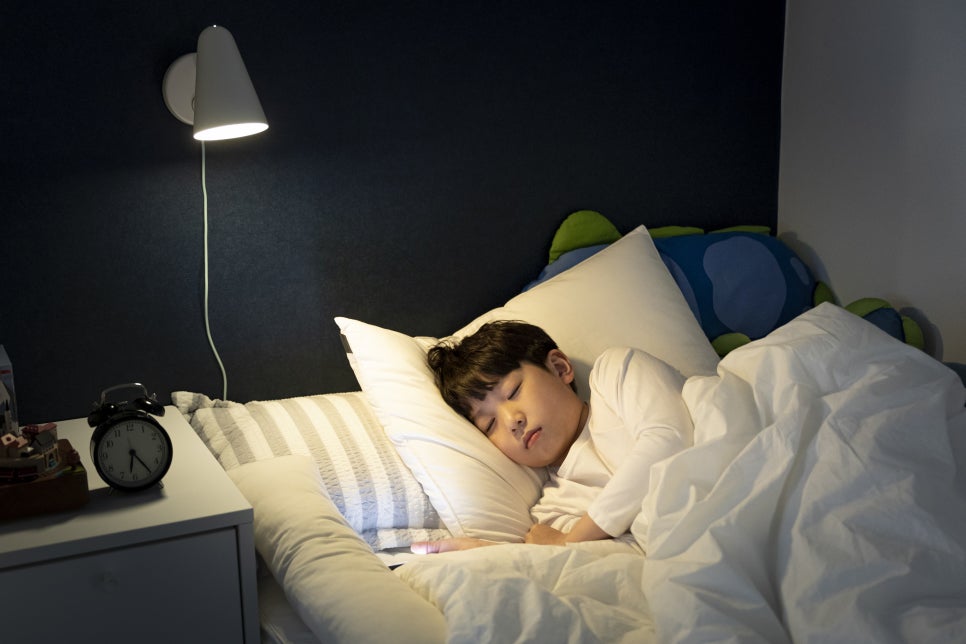
A healthy diet, sufficient sleep,
and consistent exercise are known to help alleviate symptoms.
Above all, the parents’ clear awareness is important, and with the goal of a willingness to treat,
treatment should be carried out consistently over a long-term plan,
rather than only for the short term.

Also, if there is a coexisting condition, it is better to treat it together,
and it is necessary not to try to hide the child’s symptoms but to properly inform others
and receive help.
In daily life, excessive attention such as pointing out the child’s behavior or staring should be avoided,
and even if the symptoms temporarily worsen, you should not react sensitively.
Also, the stress children receive should be reduced,
and please help the child alleviate symptoms by creating appropriate exercise and hobbies.