What to Eat the Day Before a Gastroscopy
and how the test is performed
If you want to reduce the possibility of developing a disease, you should undergo regular
checkups and get tested in advance to determine whether there is any suspected disease.
In particular, colonoscopy or gastroscopy is one of the tests you should definitely
have, because colorectal cancer and stomach cancer have high incidence rates,
but their early symptoms are not clear.
In the case of gastroscopy, an endoscope is inserted through the mouth to visually examine the esophagus, duodenum,
and stomach, which are difficult to check with the naked eye.

Today, I will explain in detail the test process, precautions, whether you can eat the day before a gastroscopy,
and the precautions.
The stomach is an important organ among the various parts of the body because it shows overall
physical health well, so it is a good idea to undergo gastroscopy.
It is known as an essential method for understanding the health of the mouth, pharynx, esophagus, stomach, and duodenum
and for detecting various diseases such as stomach cancer at an early stage.
If you normally have digestive symptoms, it is a good idea to undergo an endoscopic examination,
and it is recommended when you have heartburn, indigestion,
or unusual stool color.
In addition, if you have anemia or unexplained weight loss,
you can also benefit from an endoscopic examination,
because malignant lesions can be found early.
Therefore, rather than thinking of the stomach and colon separately,
it is better to consider them together and undergo both gastroscopy and colonoscopy,
which provides a clearer direction for treatment.
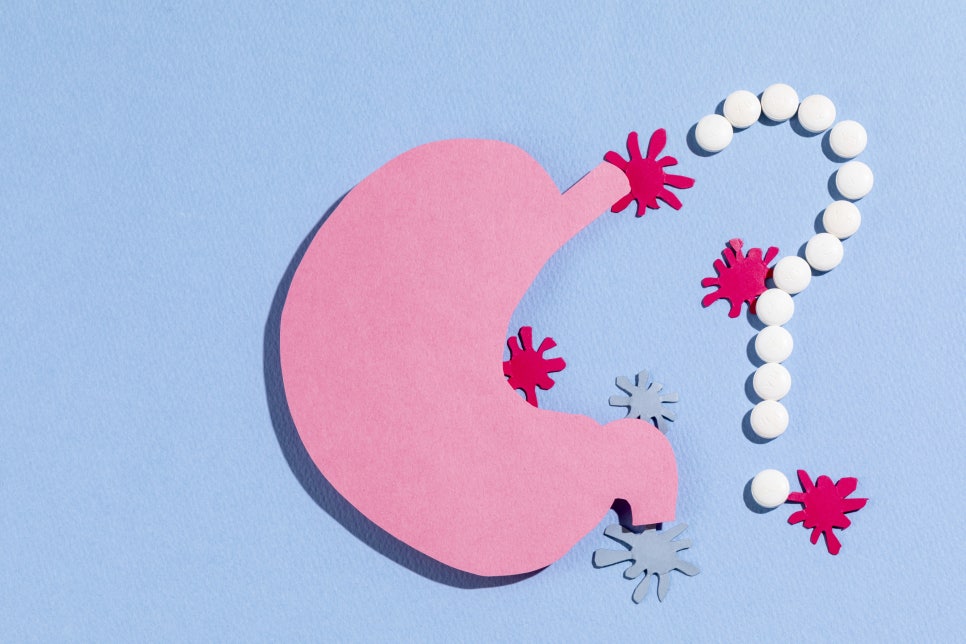
In general, it is recommended for people aged 40 and older,
and if you have digestive symptoms, you should undergo the test regardless of age.
If there is someone in your family with stomach cancer, it is helpful to have it done earlier than age 40.
Most stomach-related diseases tend to progress over two years from precancerous lesions to
early stomach cancer and advanced stomach cancer, so it should be done once every two years.
What is important during the examination is that if you have a medical history or symptoms,
it is important to tell the medical staff everything without hiding anything.
Also, if food remains in the stomach, the risk of aspiration pneumonia due to reflux increases,
so it is best to avoid eating the day before a gastroscopy as much as possible.
In addition, because it is difficult to properly observe food from the day before a gastroscopy,
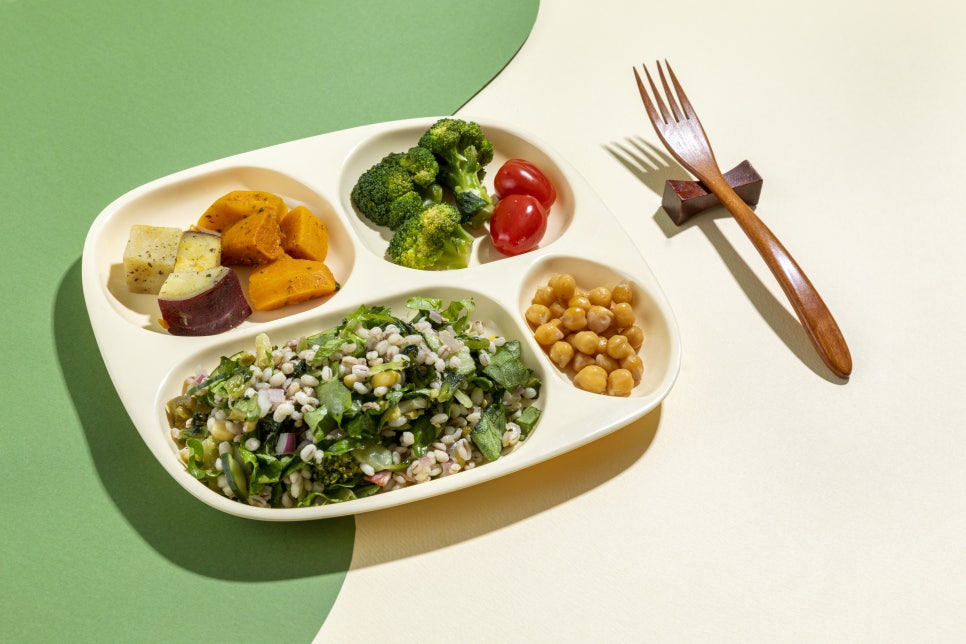
have a light meal the previous evening and then fast from midnight onward.
If you take medication regularly, it may be taken before or after the endoscopy,
but because fasting is required, diabetes medication is best taken after the procedure.
Medications that must be taken, such as blood pressure medication, thyroid preparations,
and other immunosuppressants, may be taken before the test with a small amount of water.
You can maintain good health even with an ordinary healthy diet, and rather than eating quickly,
you should chew slowly and thoroughly, and it is best to avoid eating the day before a gastroscopy if possible.