Butyric acid bacteria benefits and intake
How to take it, and let’s look at side effects
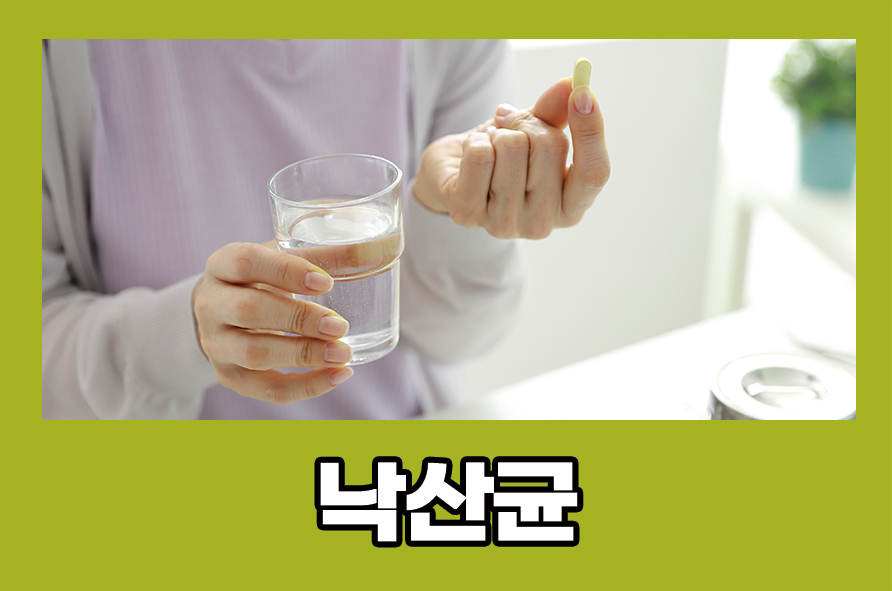
There are trillions of microorganisms living in the body,
but they are mostly found in the digestive tract, and among them,
many bacteria live in the colon.
Depending on which bacteria live in the colon, they can have a major effect
on overall digestive health as well as brain function and mental health.
Today, I’ll explain in various ways the benefits of butyric acid bacteria,
how to take it, and whether children can take it, so that it helps maintain a healthy gut for a long time.

To protect gut health, more modern people are turning to probiotics,
and 19 types of probiotics have been approved.
Among them, lactic acid bacteria produce lactic acid, which prevents harmful bacteria in the gut from multiplying
and helps beneficial bacteria increase.
But there is also butyric acid bacteria, which has stronger and more diverse functions than these lactic acid bacteria,
and it is a beneficial bacterium that has been used for a long time in Japan.

In the case of butyric acid bacteria, it has the characteristic of protecting itself from the outside through a shell called a spore,
so it can survive in any environment.
It produces short-chain fatty acids, which are fatty acids that account for more than half of the energy source for colon epithelial cells,
and helps promote intestinal movement so digestion and absorption can proceed smoothly.
Because of various Western-style foods, the state of the gut microbiome becomes unbalanced,
and it has the effect of restoring this state to what it originally was.

Therefore, taking it consistently can help alleviate various adverse effects,
such as restoring gut microbiome imbalance and lowering inflammatory substances.
Butyrate, which butyric acid bacteria mainly produce, has the effect of increasing the thickness of the colon mucosa,
raising mucus production, and reducing intestinal permeability.
Bacteria that produce butyrate become deficient and their function declines due to poor eating habits, lifestyle, disease, and other factors,
so it is good to supplement them in preparation for such situations.
In addition, it increases the secretion of GLP-1, a hormone that helps release insulin and maintain blood sugar balance,
so it is good for people with diabetes to take it.
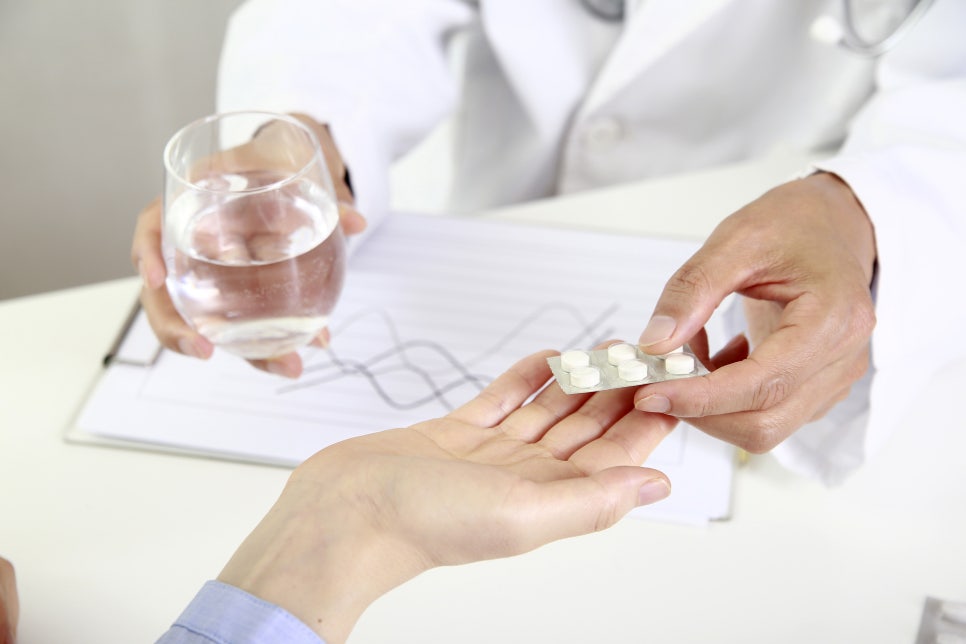
At present, it can be obtained relatively easily through the internet, and if you visit a hospital due to an intestinal condition,
probiotics containing this bacterium can be prescribed.
The exact timing of intake is not important, and because it is resistant to heat and stomach acid,
you can take it before or after meals at any time without much issue.
It is also safe for children to take, and it may be good for children who have severe stomach pain,
loose stools, constipation, or poor digestive function.
There are no particularly known side effects, but since it varies from person to person,
symptoms such as gas, diarrhea, and constipation may occur, so it should be taken in an appropriate amount.
In particular, if you are someone with a sensitive gut, please consider taking it only after having 충분한
discussion with the relevant medical professional before taking it.