
Shindorim implant sleep treatment
Carried out with conscious sedation

Permanent teeth played various roles in daily life,
but in many cases they were lost because people did not
care for them carefully enough.
If they were lost for various reasons, it became difficult to
chew food properly, and it could lead to nutritional
imbalance because nutrients were not consumed evenly.
In addition, when talking with others, unclear pronunciation
could make communication difficult, and there could also be
negative effects aesthetically.
However, even when a dental problem occurred, if there was
no particular discomfort, people often left it untreated or
postponed the appropriate time for treatment.
If the problem of tooth loss is left unattended, it can cause
even bigger problems later and can also negatively affect
adjacent teeth.
The surrounding teeth may slowly tilt into the space left by
the missing natural tooth, causing the balance that helped
maintain the shape of the face to collapse.
Also, because it becomes impossible to chew delicious food
evenly, digestion may not proceed smoothly and can develop
into chronic indigestion.
Therefore, since permanent teeth do not regenerate once
they are damaged, it was advisable to restore the function of
natural teeth at the Shindorim implant dental clinic.
The representative restorative treatments that could be
chosen included dentures, bridges, and implants, and more
recently, implants have been preferred regardless of age.
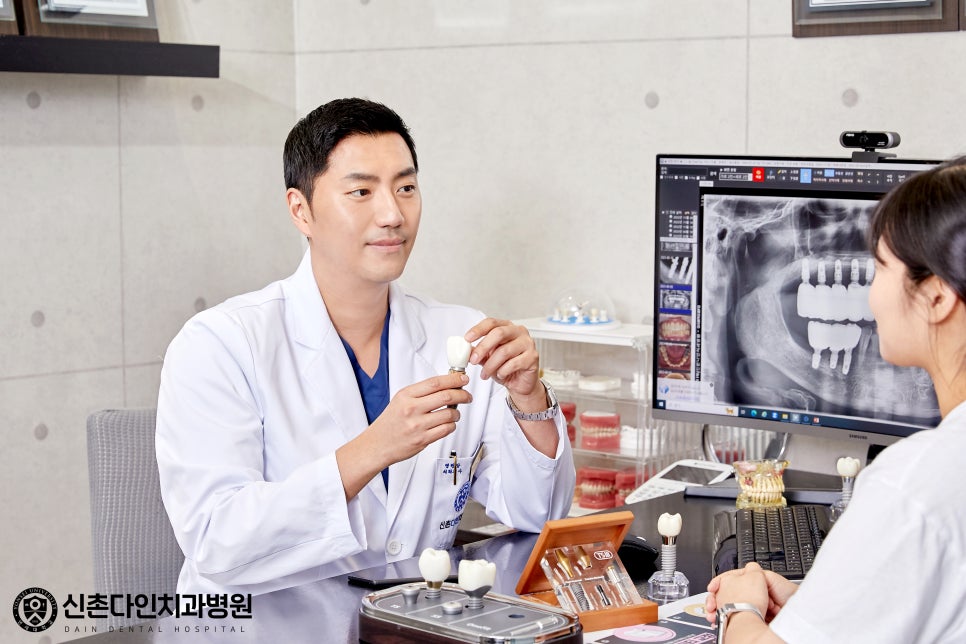
The procedure was carried out by securely placing a titanium
fixture into the jawbone, then connecting an abutment and
finally placing the crown.
Because age, systemic diseases, and other factors differ from
person to person, the number of implants placed and the
difficulty level vary, so the treatment period can differ.
It generally takes about 3 to 6 months, but because it goes
through the osseointegration process, it becomes firmly fixed
and can restore chewing function to a level very similar to
that of natural teeth.
In addition, the prosthetics used for placement also have
colors and shapes similar to natural teeth, so they are
considered natural in appearance.
Even so, because this is a high-difficulty procedure, it is
necessary to check the clinician's skill and experience in
order to expect good implant results.
In addition, careful management after the procedure is also
necessary to reduce the possibility of various complications,
so it is advisable to check whether follow-up care is provided.
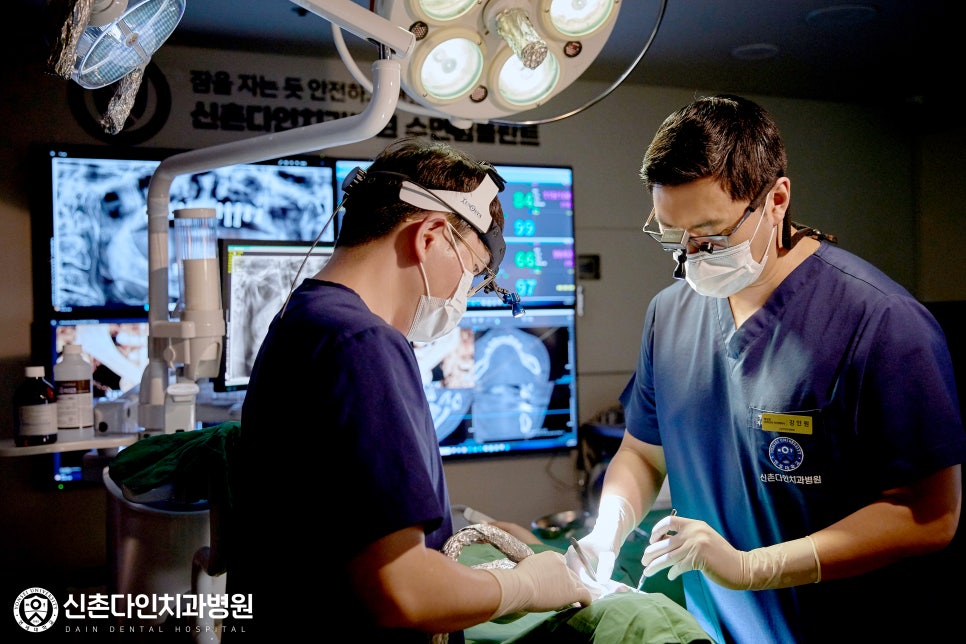
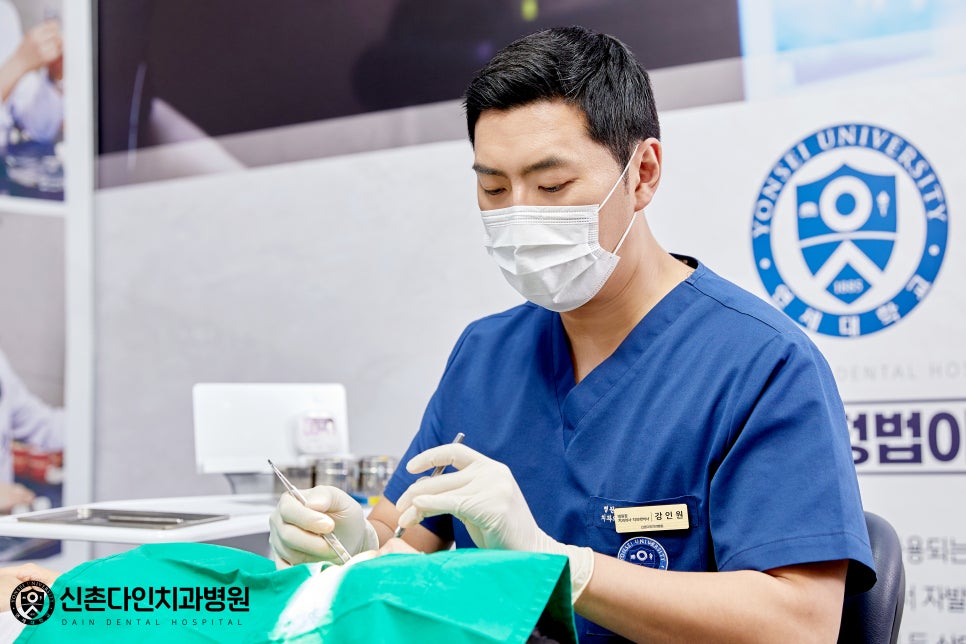
At the dental clinic near Shindorim implant, the procedure
was being carried out by a Yonsei University–trained dentist
with a doctorate in dentistry in order to achieve more
satisfactory implant treatment results.
Based on highly accurate diagnosis and clinical experience,
they were establishing a plan appropriate for the patient's
condition before proceeding with treatment.
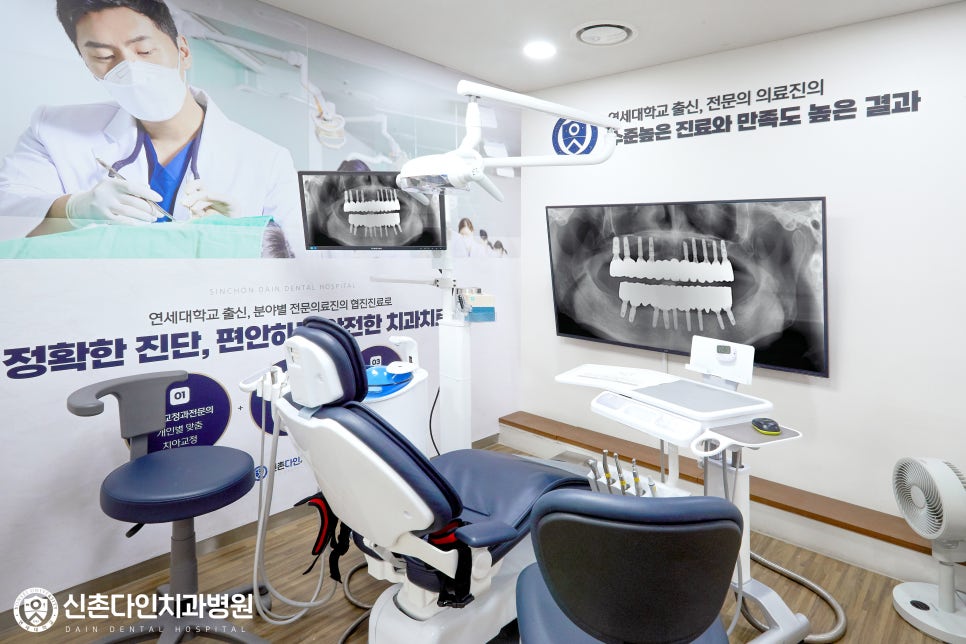
Using equipment such as 3D-CT, they carefully diagnosed
even oral structures that are difficult to confirm with the
naked eye and established customized plans for each patient.
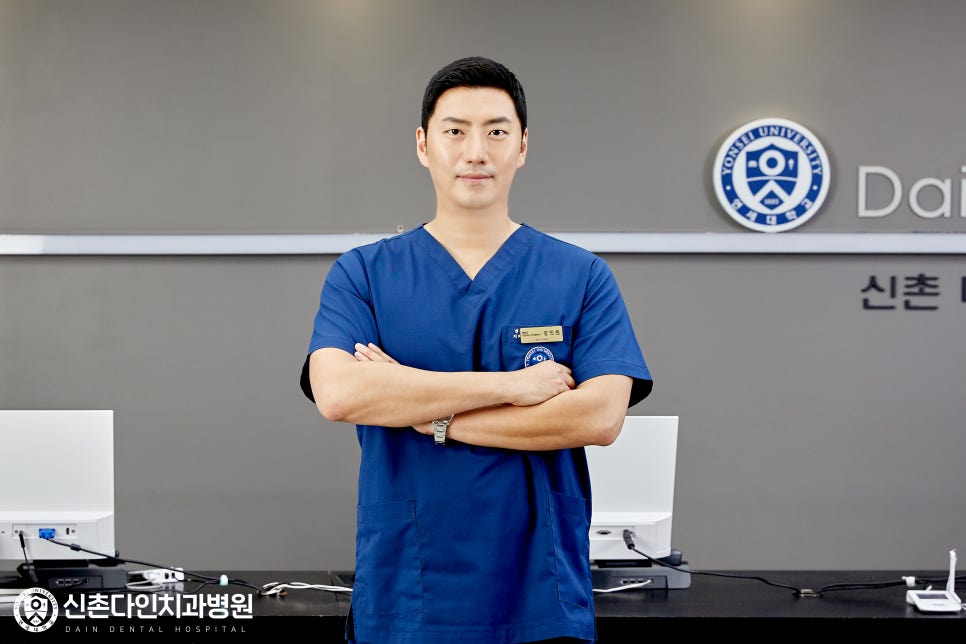
If the diagnostic results showed that the alveolar bone was
damaged and that placing an artificial tooth would be
difficult, a bone graft to replenish the insufficient amount of
alveolar bone could be performed first.
In addition, so that patients could keep the prosthesis in the
mouth for a long time, the Shindorim implant dental clinic
used only genuine implant materials.
Even if the procedure is performed correctly, if ongoing care
after treatment is not properly carried out, peri-implantitis or
prosthesis fracture may occur during use.
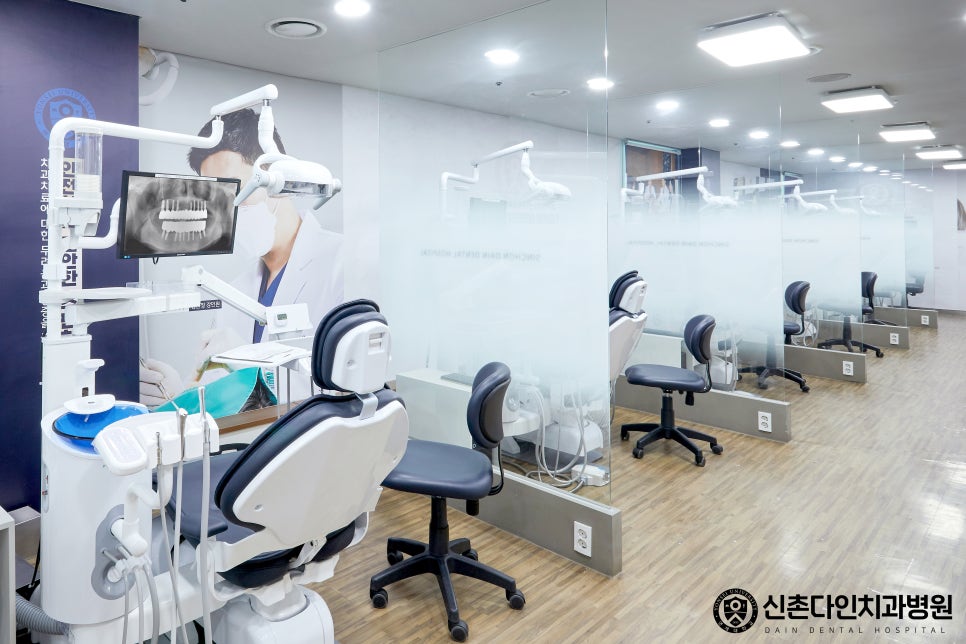
Therefore, at the Shindorim implant dental clinic, follow-up
care was being provided through a treatment warranty
system so that patients could expect a long prosthesis life
even after placement.
However, depending on the treatment period, implants may
require multiple visits, and because they are placed directly
into the alveolar bone, many people may feel psychological
burden.
If you have a long treatment period or a vague fear of dental
clinics, you can overcome that fear through sleep treatment
using conscious sedation.
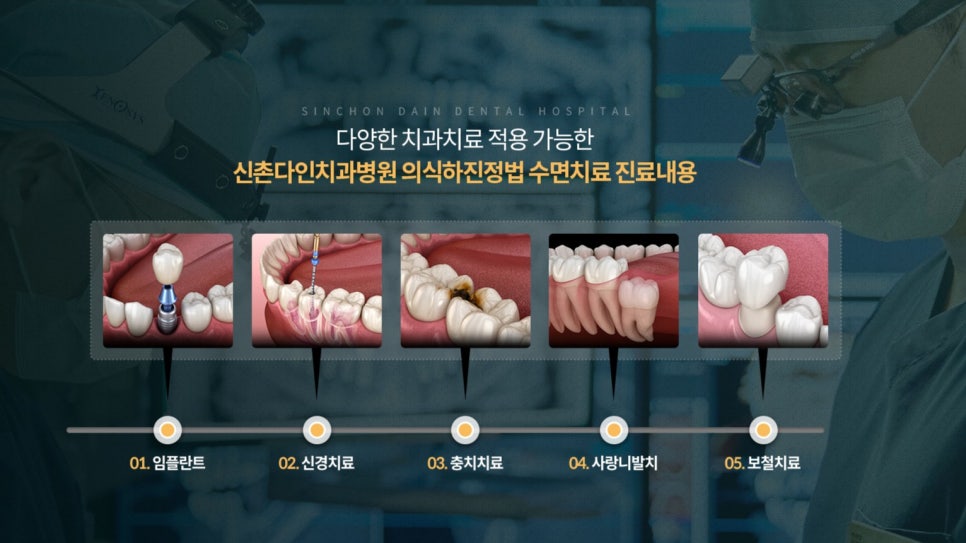
Conscious sedation was a method of treatment in which
medication induces a light sedated state, guiding the patient
into a comfortable drowsy state.
The sedative used was midazolam, whose safety has been
verified for more than 35 years, and if the patient happened
to fall into a deeper sleep, they could be awakened with the
available reversal agent.
Because some degree of consciousness remains, the patient
can respond even to the clinician's light instructions and
speech, and unlike general anesthesia, they can breathe on
their own.
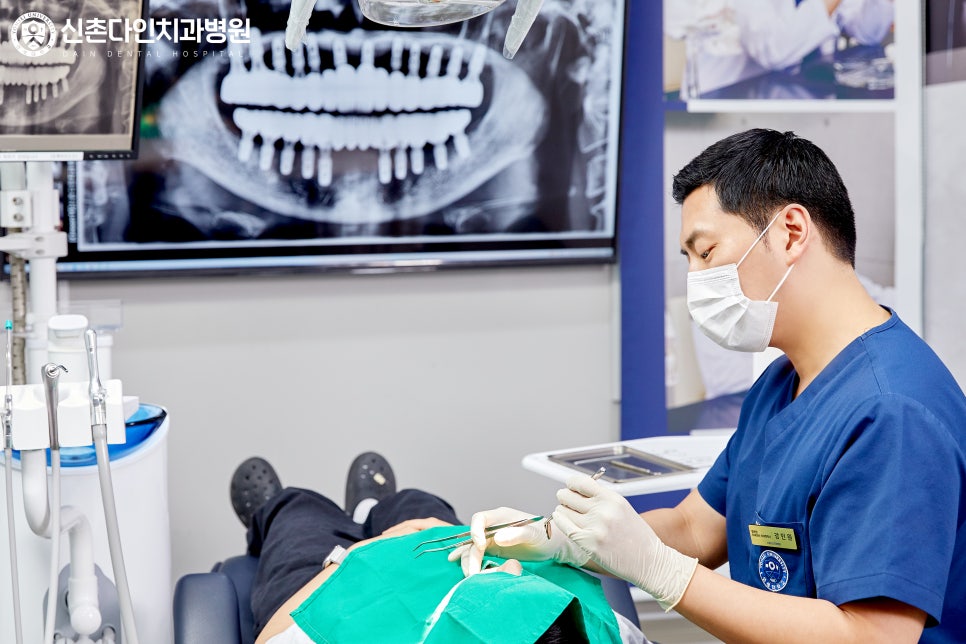
After sleep treatment carried out with conscious sedation is
completed, the amnesic effect means that the procedure is
almost not remembered, helping to reduce fear.
At the Shindorim implant dental clinic, patient monitoring
equipment and a conscious sedation manual were in use,
allowing them to continue highly stable sleep treatment.
By monitoring the patient's drowsy state in real time, they
adjusted the appropriate amount of sedative to help ease
concerns about possible side effects.