
Nogosan-dong Dental Clinic Conscious Sedation
Reducing fear with sleep treatment

Teeth play many roles in everyday life, so if they become damaged or fall out, it can cause significant inconvenience.
Unhealthy natural teeth can make it difficult to eat the foods you want, which can lead to nutritional deficiency and also negatively affect overall physical health.
In addition, because it can become difficult to pronounce words clearly and communicate with others, it is important to manage dental care systematically in daily life.
If tooth loss continues for a long time, adjacent teeth will gradually move into the empty space, making it highly likely that the overall alignment of the teeth will change.
As such, care to preserve natural teeth is an important part of life for everyone, but even with steady effort, teeth can still be lost for various reasons.
If teeth are lost for any of these reasons, implant treatment, which places artificial teeth, can replace the function and aesthetics of natural teeth.
An implant is performed by placing a titanium fixture into the jawbone, so it has a structure similar to that of a permanent tooth.
If the problem of tooth loss is left untreated for a long period of time, the function of the jawbone that supported the missing tooth can also decline, which may adversely affect adjacent teeth as well.
Because it is an artificial tooth with a structure similar to a natural tooth, it can substantially help prevent gum bone resorption and also reduce the burden of the implant coming loose during use.
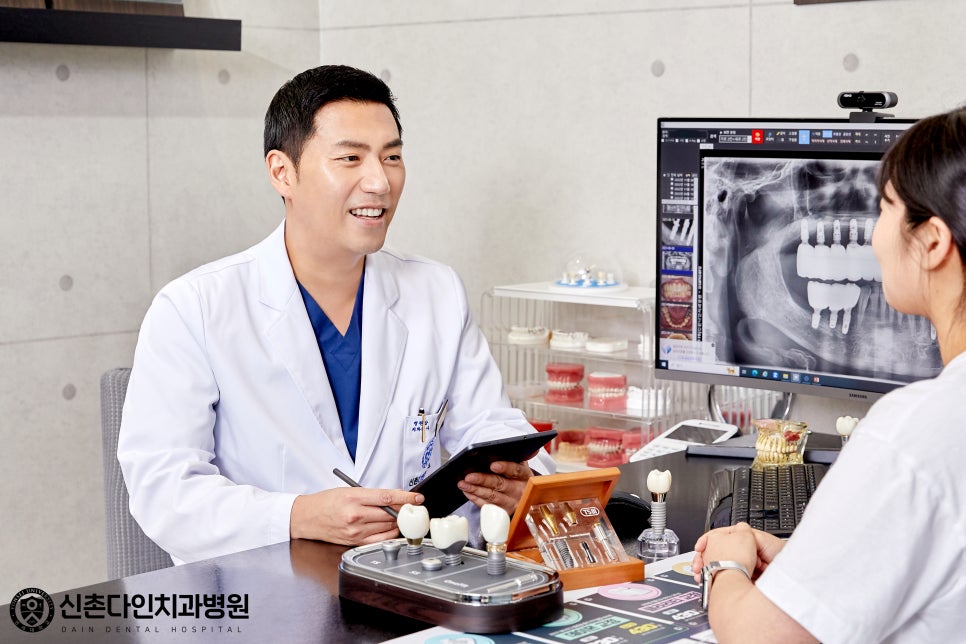
However, the method that can be applied differs depending on each patient's oral condition and jawbone condition, so it is important to choose a medical team with extensive clinical experience.
If a fixture is placed indiscriminately in poor alveolar bone conditions, it may shake during use and eventually lead to a situation where it comes loose.
Therefore, after thoroughly understanding the patient's oral condition through a pre-procedure examination, the implant should be placed according to an appropriate plan.
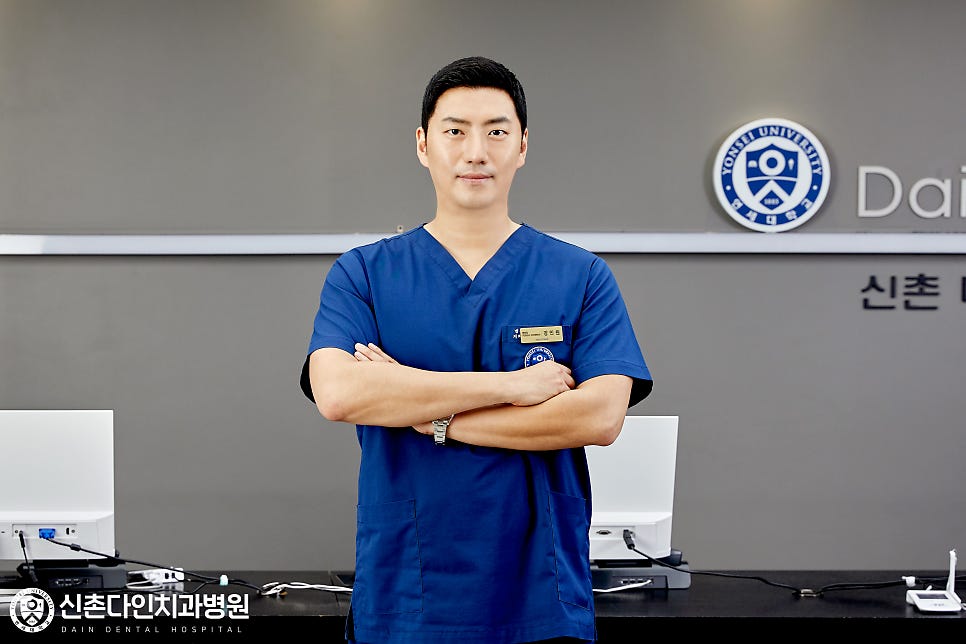
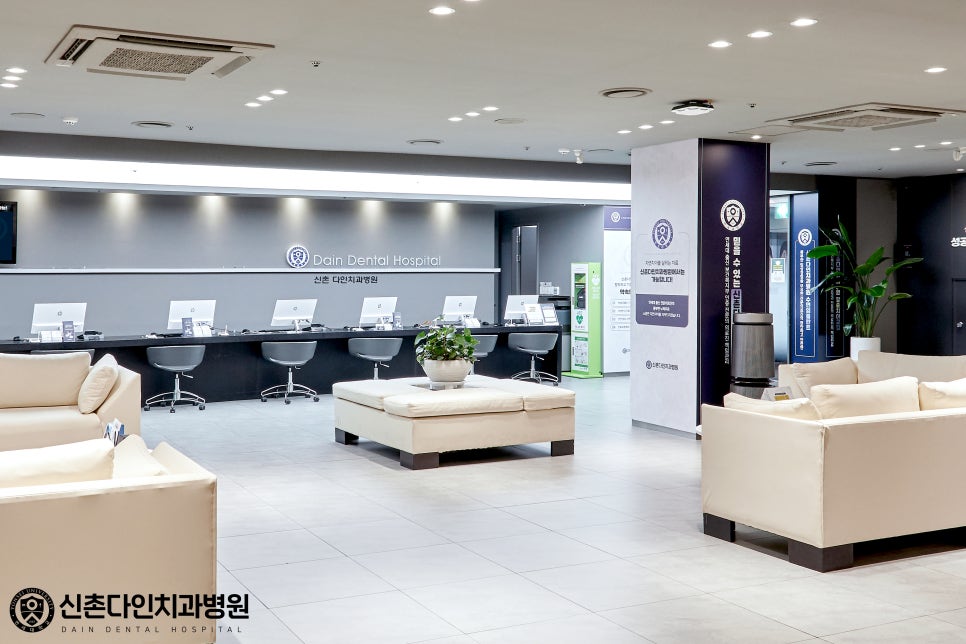
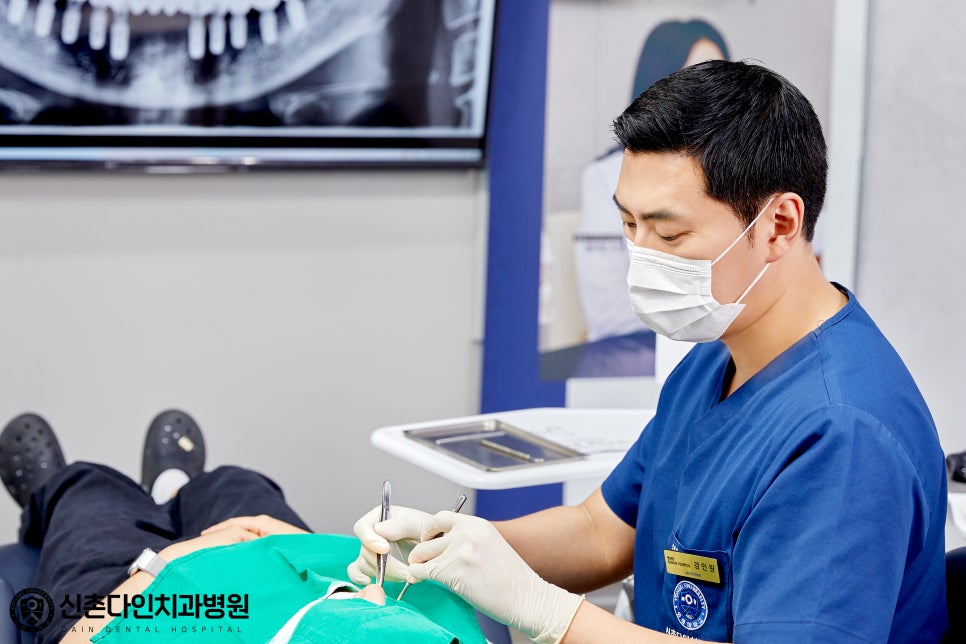
To help you expect more satisfactory treatment results, Nogosan-dong Dental Clinic was providing direct treatment by a medical team from Yonsei University with a Doctor of Dental Medicine degree.
Based on their extensive clinical experience, the medical team was suggesting and carrying out the most suitable treatment method for each patient.
To establish a systematic treatment plan, they were using equipment such as 3D-CT before placement to diagnose areas that are difficult for the naked eye to identify.
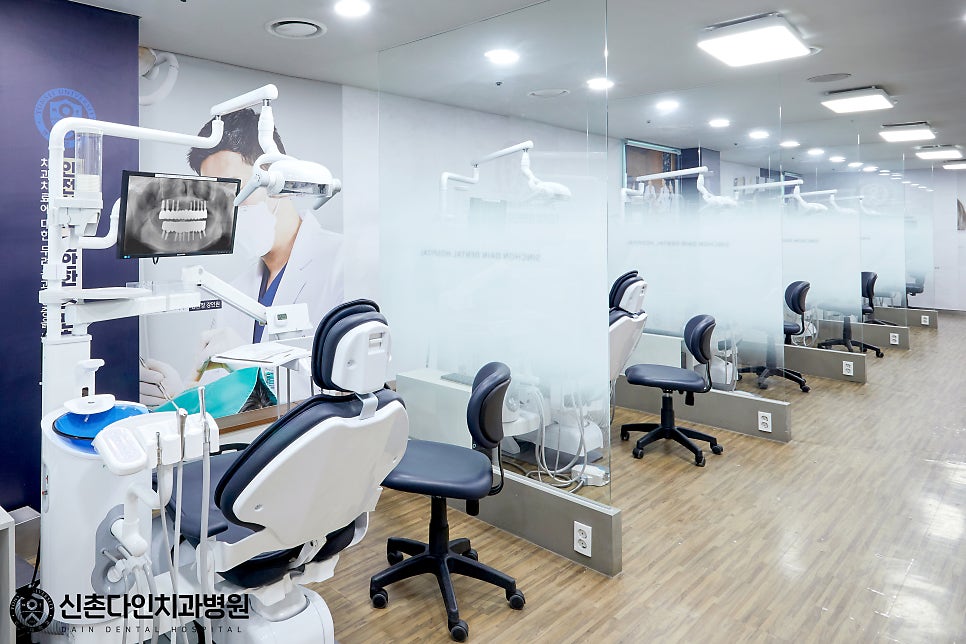
At Nogosan-dong Dental Clinic, because they carefully assess the patient's jawbone condition, placement angle, and position before proceeding, they were able to shorten the procedure time and reduce aftereffects.
Even so, if careful management is not provided after placement, peri-implantitis and other issues can occur, and because an artificial tooth has no nerves, even if pain develops, it is almost impossible to feel.
Inflammation that is left untreated can continuously damage the jawbone, and if neglected for a long time, even a successfully placed fixture can come loose.
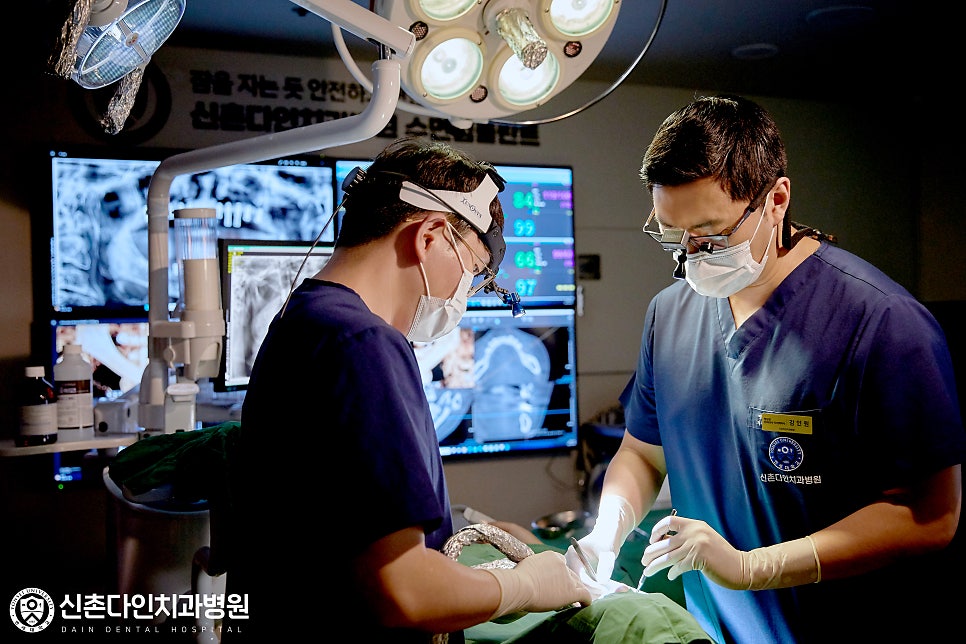
At Nogosan-dong Dental Clinic, they were helping with ongoing aftercare through a treatment warranty system so that side effects could be prevented in advance and problems could be identified and improved early.
In addition, they were using only high-quality genuine implant materials from Korea and overseas so that patients could use them with less concern about side effects occurring during use.
Nevertheless, dental treatment is still a procedure that many patients fear, and in most cases, the reason is the pain associated with the process.
If fear of dental treatment causes you to delay the proper time, a wider range of treatment may be needed later, and the vicious cycle can repeat.
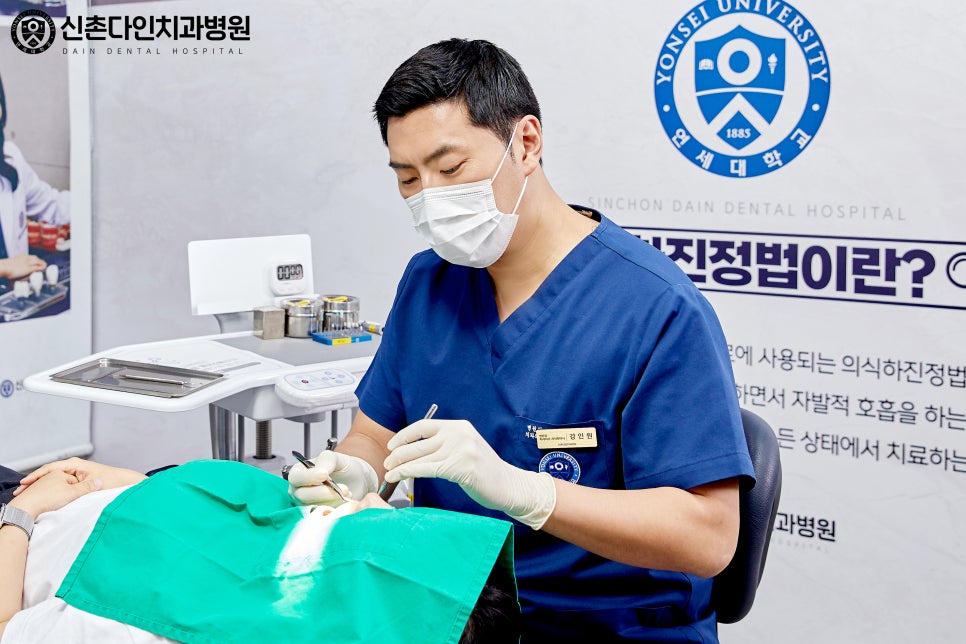
At Nogosan-dong Dental Clinic, they were providing conscious sedation sleep treatment so that patients could reduce their vague fear of dentistry and receive the appropriate procedure.
Conscious sedation, also well known as sleep treatment, is a method that induces patients into a light, sleep-like state in which they feel comfortable, then proceeds with treatment.
The midazolam used is a drug whose safety has been verified for more than 35 years, and even if the patient becomes deeply drowsy, they can be awakened with an antagonist.
Because it is not a deep sleep but a sedated state with some level of consciousness, the patient can breathe on their own without wearing a separate breathing device.
Even so, due to its amnesia effect, once the treatment is over, unpleasant memories of the procedure remain, making it possible to overcome dental phobia.
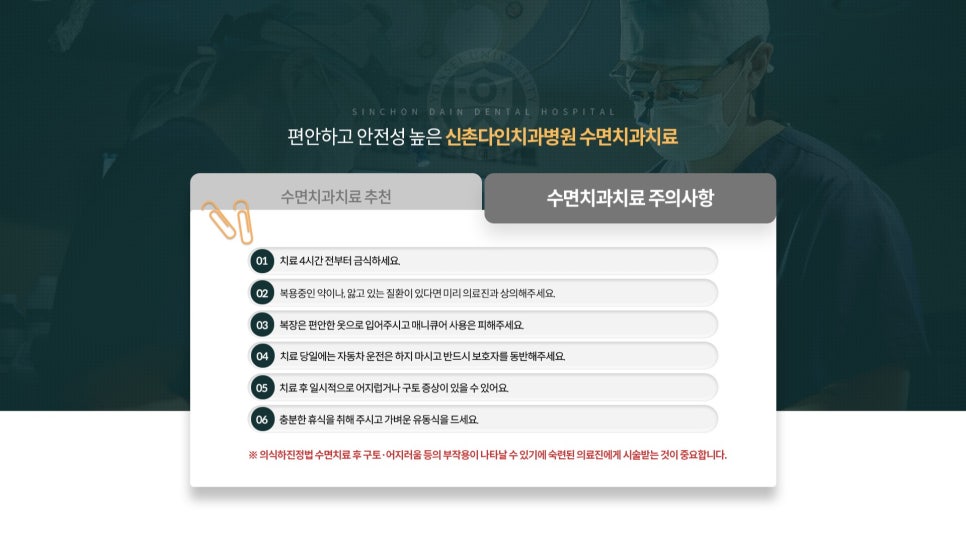
To provide highly safe conscious sedation sleep implant treatment, Nogosan-dong Dental Clinic was operating patient monitoring equipment and manuals during the procedure.
Through patient monitoring equipment, they were checking the patient's light-sleep state, blood pressure, pulse, and overall condition in real time, while adjusting the appropriate amount of midazolam.
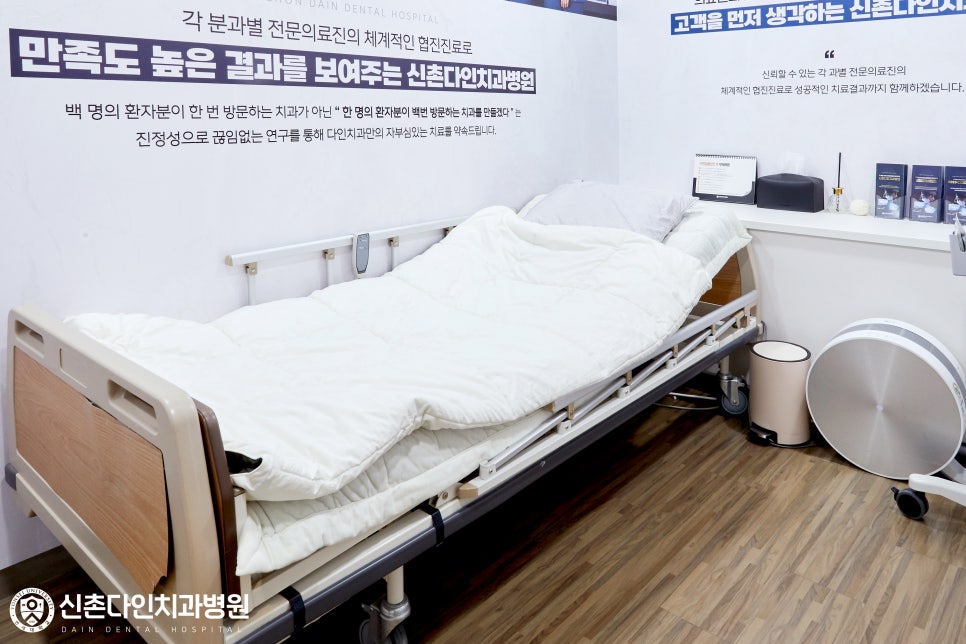
Because dizziness may remain immediately after the procedure due to the effects of the medication, they were helping patients go home only after they had enough rest in the recovery room set up for that purpose.