Early Symptoms of Cellulitis
Causes, Treatment, and Prevention

Recently, due to the warm climate, more people have been going on vacations to the mountains and the sea, and for various reasons, wounds can occur.
Although swelling may accompany a wound, if it is left unattended and persists for several days, you may suspect the early symptoms of cellulitis.
Today, we will look at the causes, early symptoms, diagnostic methods, and treatment and prevention methods for cellulitis, a condition in which severe swelling appears due to a wound that has appeared unexpectedly.
Cellulitis is an acute infection of the dermis and subcutaneous tissue by pathogens, and it often occurs in patients with weakened immunity and in older adults.
Usually, bacteria such as staphylococci and streptococci that live on the skin enter the skin and connective tissue through a wound and cause inflammation.
Even a very small wound that is not visible to the naked eye can trigger it anywhere in the body, so caution is needed.
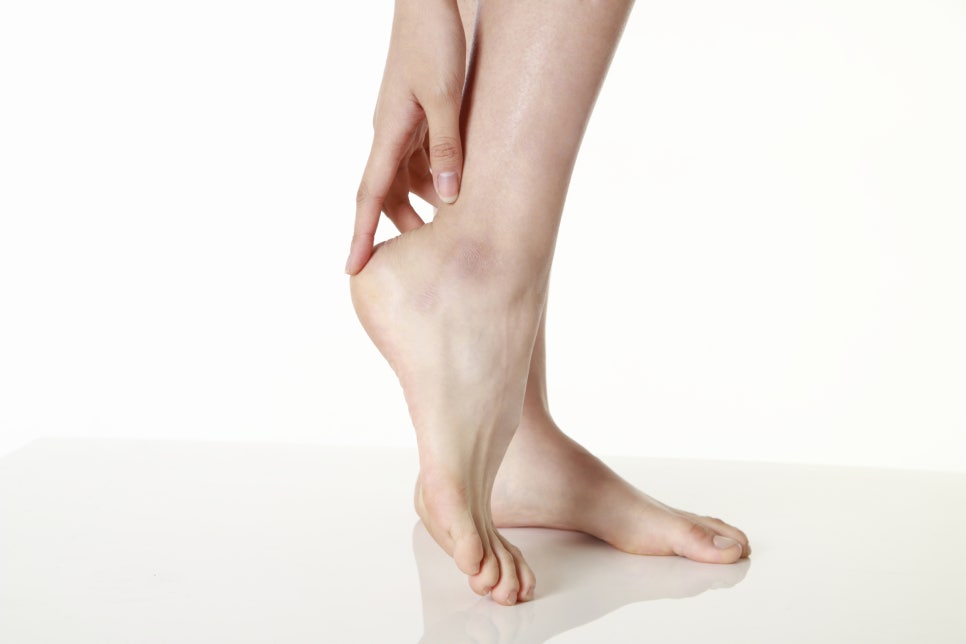
In general, if a wound is not infected with bacteria, it does not show any particular symptoms, a scab forms, and as the wound heals later, the scab naturally falls off.
The early symptoms of cellulitis begin with mild pain, so the condition is often left untreated, but as time passes it can progress to muscle pain and even skin necrosis.
Typical symptoms such as fever, swelling, and redness can appear on any area of the skin, and symptoms commonly occur on the feet in particular.

If not treated early, the inflammation can spread throughout the body, so caution is needed because various complications such as skin necrosis and sepsis may occur.
If a small wound appears and systemic problems develop, it is helpful to visit a relevant medical facility and receive an accurate diagnosis.
In general, diagnosis is made through clinical symptoms, and in some cases, additional blood tests and ultrasound examinations are performed.
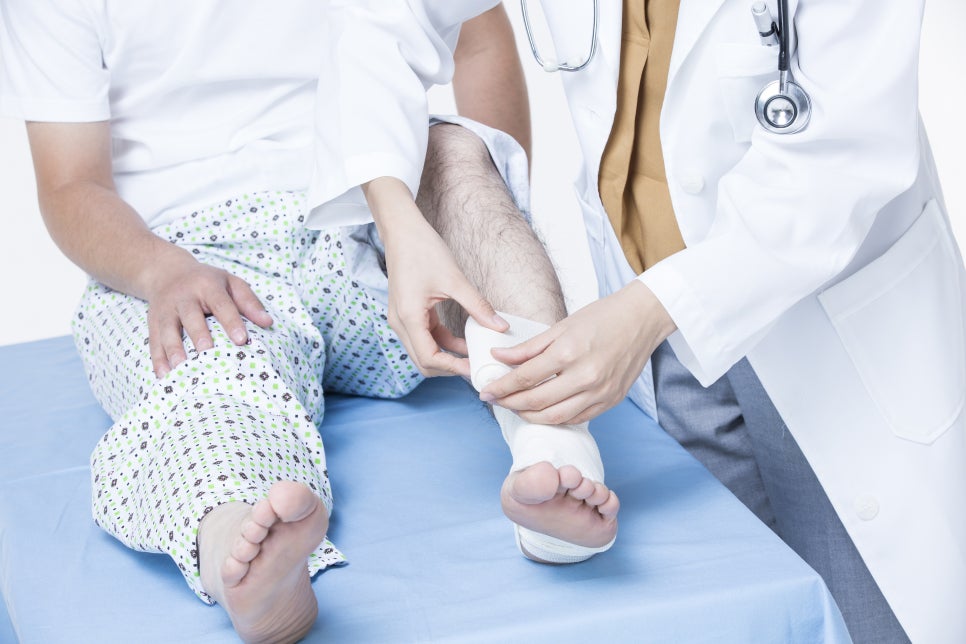
In blood tests, erythrocyte sedimentation rate (ESR) or C-reactive protein (CRP) levels tend to increase, and appropriate antibiotics are prescribed accordingly.
If taken consistently, the symptoms improve and inflammation markers decrease, but if the symptoms are severe, surgery to remove pus is necessary.
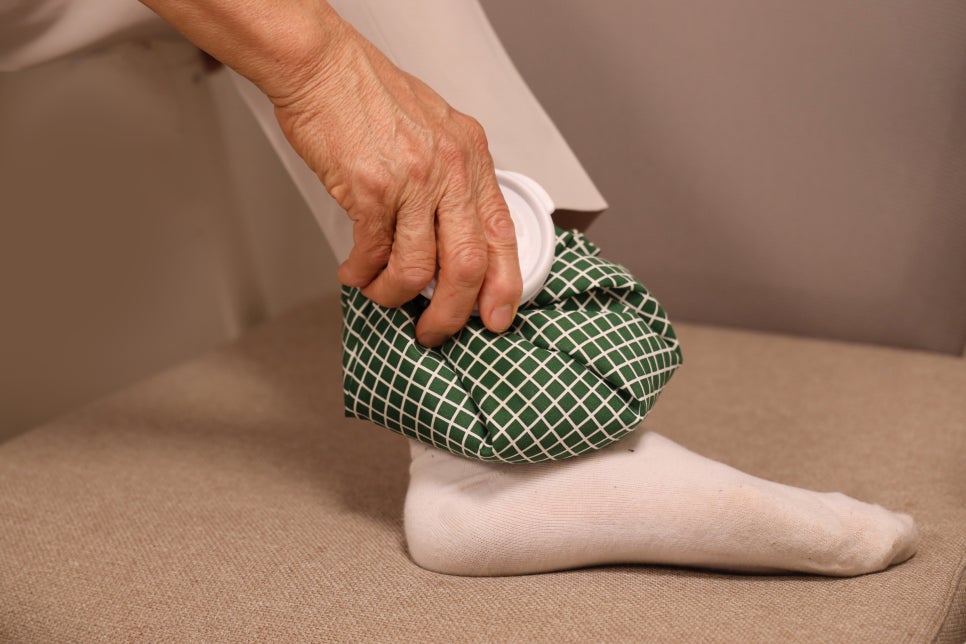
After antibiotics are administered, most cases improve after 1 to 2 weeks, and it is best to immobilize the affected area as much as possible so that it does not move.
This is a condition that requires caution because it can occur not only in older adults and young children, who belong to the immunocompromised group, but in all age groups.
Therefore, when engaging in outdoor activities, you should carefully watch for insect bites and injuries, and even indoors, you should avoid actions that irritate the skin.
Because it can be fully cured through early treatment, I hope you will be especially careful about insect bites and injuries when you are active outdoors.