Keratosis Pilaris on the Arms and Legs
What Are the Causes and Treatments?

As the weather gets warmer, people are wearing lighter clothes,
and those who are concerned are also increasing.
For people with keratosis pilaris, also called chicken skin,
wearing short sleeves or shorts can make the arms and legs
look like chicken skin, which causes a lot of worry.
Today, we will explain in various ways the causes,
symptoms, diagnosis methods, treatment methods, and prevention methods
of keratosis pilaris on the arms and legs.

In warm seasons, not only dry weather but also pollen
and fine dust can worsen skin health, so caution is needed.
Keratosis pilaris occurs when dead skin cells block hair follicles,
causing small chicken-skin-like bumps. It is characterized
by the fact that it is not accompanied by itching or pain.
Due to genetic factors and overproduction of keratin, the protein that
protects the skin, it mainly appears on areas such as the arms,
legs, thighs, and buttocks where the skin can easily become dry.
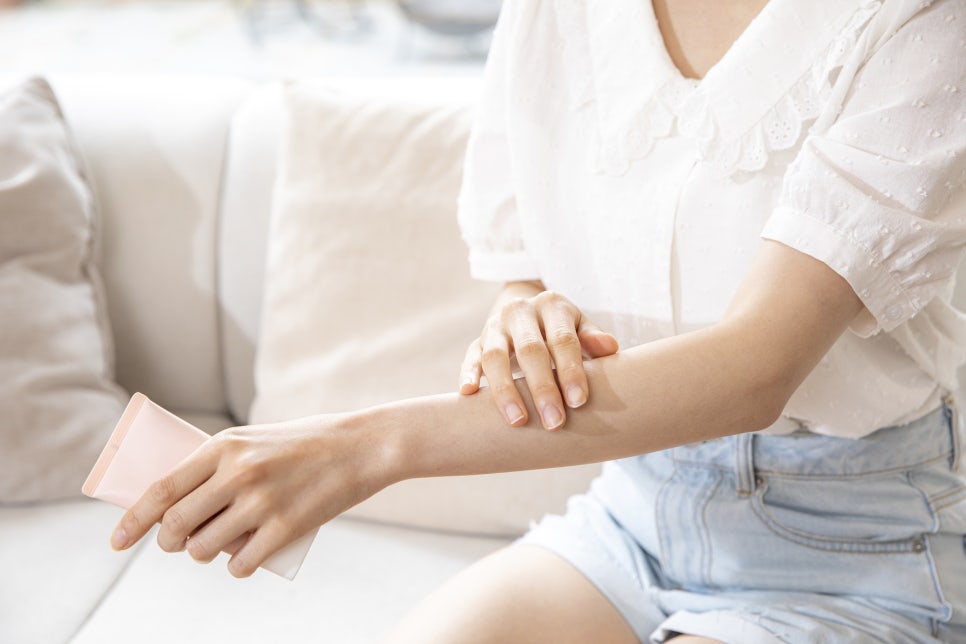
In general, it commonly appears in people whose skin easily
dries out or in patients with atopic dermatitis, so the
connection is strong.
Rough dead skin develops on the surface of the skin, and even if
it is not painful or itchy, red or brown bumps spread and
look like chicken skin.
In some cases, it can also occur on the face, and because it
is a condition that can appear even without atopic dermatitis,
it is easy to leave untreated unintentionally, so caution is needed.

Sometimes the symptoms are mistaken for acne, and the lesions
are pressed with excessive force, causing inflammation or
leading to pigmentation.
Pigmentation caused in this way does not quickly disappear even
after some time has passed, and it can leave marks even as one
gets older, which can be stressful.
Therefore, because this condition develops on body areas that are
easily exposed during warm seasons, it is better to visit a related
clinic quickly and get help.
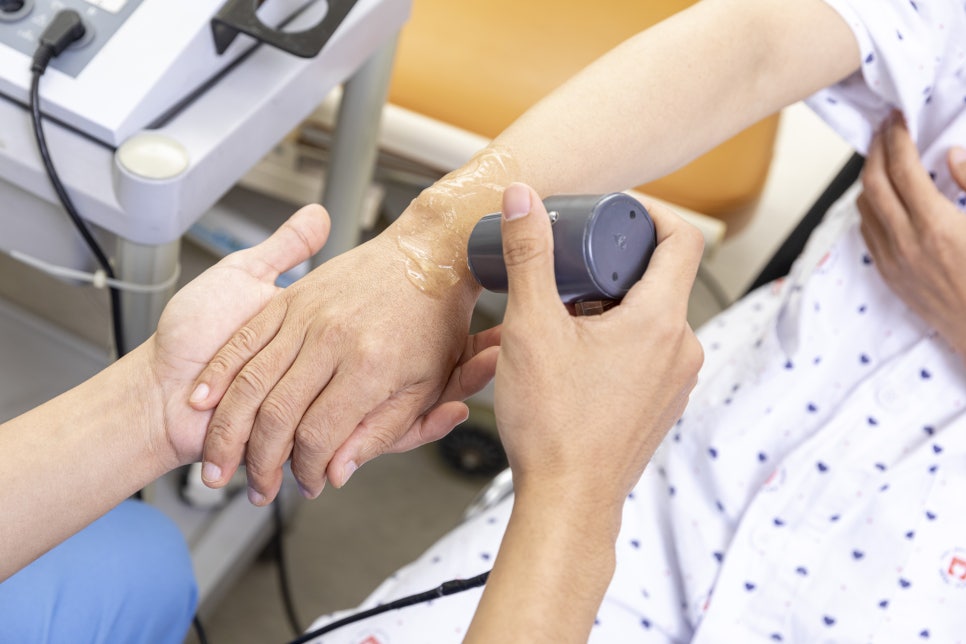
Treatment methods to improve the condition include symptom relief
through keratolytics or vitamin A ointments, and peeling procedures
are sometimes performed as well.
If the skin appears red due to inflammation, vascular laser
treatment may be considered to reduce the redness and improve
symptoms.
Because the symptoms differ from patient to patient, appropriate
treatment should be considered according to the symptoms, and efforts
should also be made in daily life to prevent recurrence.
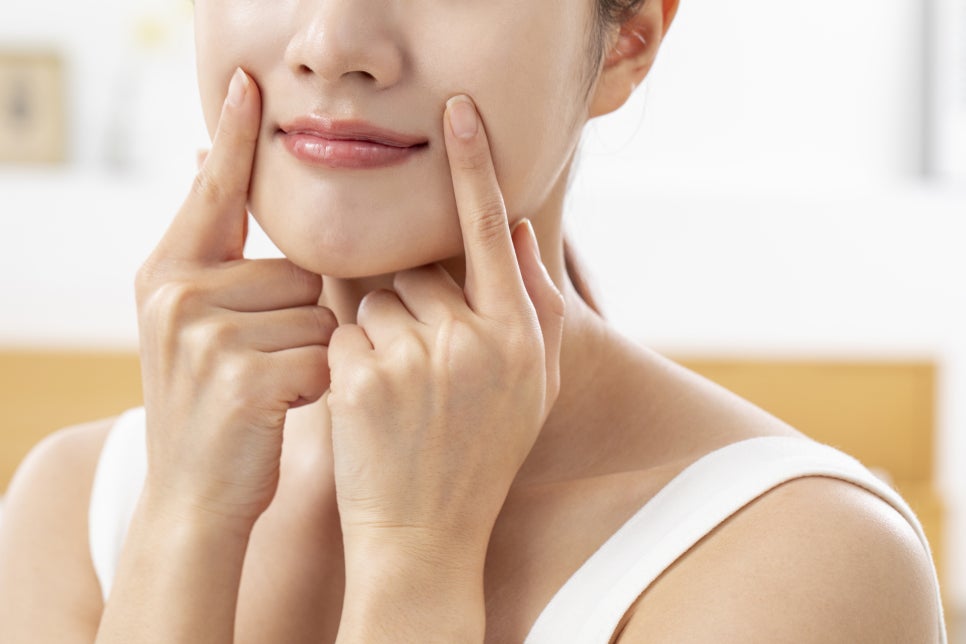
In everyday life, avoiding frequent showers or scrubbing
the skin with a washcloth as much as possible can help prevent
symptoms by keeping the skin from drying out easily.
After washing your body, it is important to apply enough moisturizer
to keep the skin from drying out and maintain moisture for a long time.
If it is a dry season or you feel that your home is dry,
please use an available humidifier to maintain indoor humidity at
around 40 to 60%.