Causes of Stroke Warning Signs
Treatments and Precautions
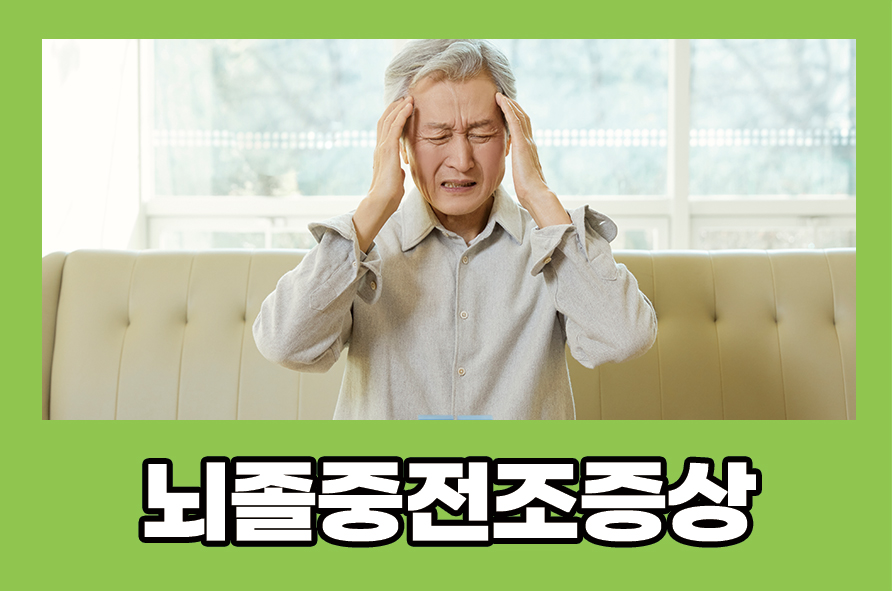
A stroke occurs when a blood vessel becomes completely blocked or bursts, and it is one of the leading causes of sudden death among people in their 40s and 50s in Korea, so special caution is needed.
Once the brain is damaged, it is difficult to recover, and there is a high likelihood of aftereffects, so it is best to manage your health carefully and know the warning signs of stroke in advance.
Today, we will take a detailed look at stroke warning signs, causes, diagnosis methods, treatment methods, and prevention methods.
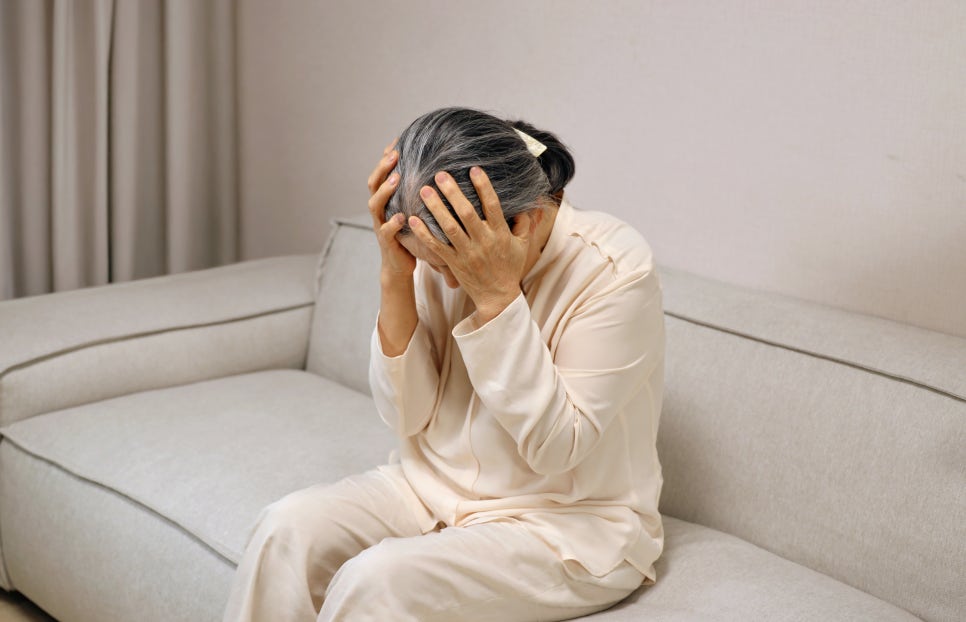
This refers to a disease that occurs when a blood vessel supplying blood to the brain becomes blocked, causing cerebral infarction, or when the brain in that area is damaged due to cerebral hemorrhage.
It is characterized by sudden onset, and stroke warning signs also appear suddenly, last for a short time, and then quickly disappear.
If one day your speech suddenly becomes unclear, or your arms and legs lose strength, it may not simply be fatigue but a warning sign.
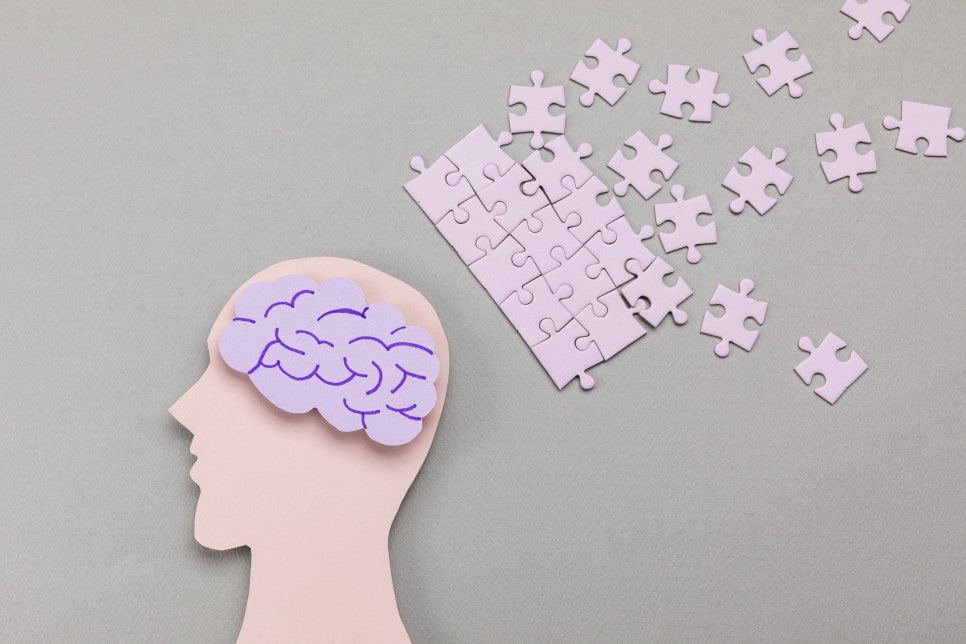
Because this disease can strike without warning and put life at risk within minutes or leave severe aftereffects, you need to know how to respond early.
If the left side of the brain is damaged, speech impairment and weakness on the right side can occur, and if the right cerebrum is damaged, weakness appears on the left side.
If it occurs in the cerebellum, dizziness and difficulty maintaining balance can cause the person to keep falling toward the side of the brain where the stroke occurred, and if it is severe or occurs in the brainstem, part of the body may become paralyzed and it can lead to a coma.
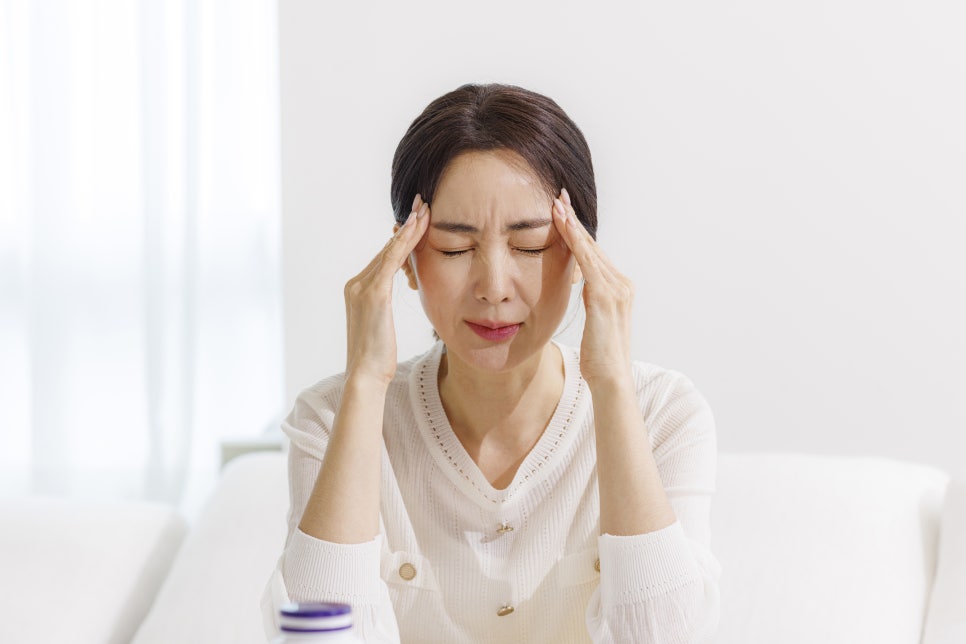
Therefore, if you experience symptoms such as weakness on one side of the body, loss of sensation, blurred vision in one eye, or slurred speech, you should suspect it.
From as short as a few minutes to as long as a few hours, the brain artery is temporarily blocked, then blood flow resumes and the symptoms disappear, so it is best to visit a hospital immediately.
If you are older, you are more likely to be exposed to this disease, and having high blood pressure, diabetes, hyperlipidemia, or heart-related disease is also considered a risk factor.
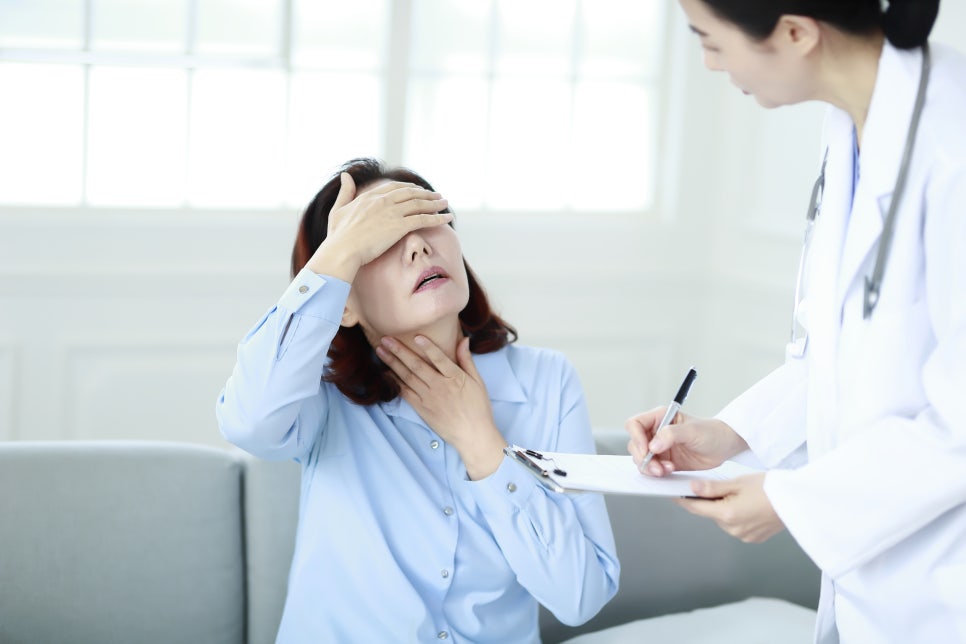
In addition, smoking, obesity, excessive drinking, and severe stress are also included as risk factors, and these are factors that weaken blood vessels or cause blood clots to form.
If suspicious symptoms appear, it is important to take appropriate emergency measures within the golden time, which is said to be 3 to 4.5 hours.
If you miss this window and leave the symptoms untreated, your life may be in danger, so call 119 immediately and receive emergency treatment.
To prevent this disease, it is important to improve existing lifestyle habits and manage your health, while maintaining normal blood pressure, blood sugar, and cholesterol.
Before stroke warning signs occur, it is good to get regular brain checkups or, depending on the situation, take medication and respond proactively at an early stage.
If you are in an older age group, smoke, or drink frequently, remember the FAST self-check principle or the Korean "Han-Mal-Dasi" principle, and if these symptoms appear, visit the hospital immediately.
F(Face, facial paralysis)
A(Arm, arm numbness)
S(Speech, speech impairment)
T(Time, go to the hospital immediately)
One: One side of the arm or leg is paralyzed
Mal: Cannot understand speech and speaks slurrily
Da: Head feels heavy or there is a headache
Si: Vision becomes blurry or
objects look double