Pollen Index Allergy
Causes and Treatment and Prevention
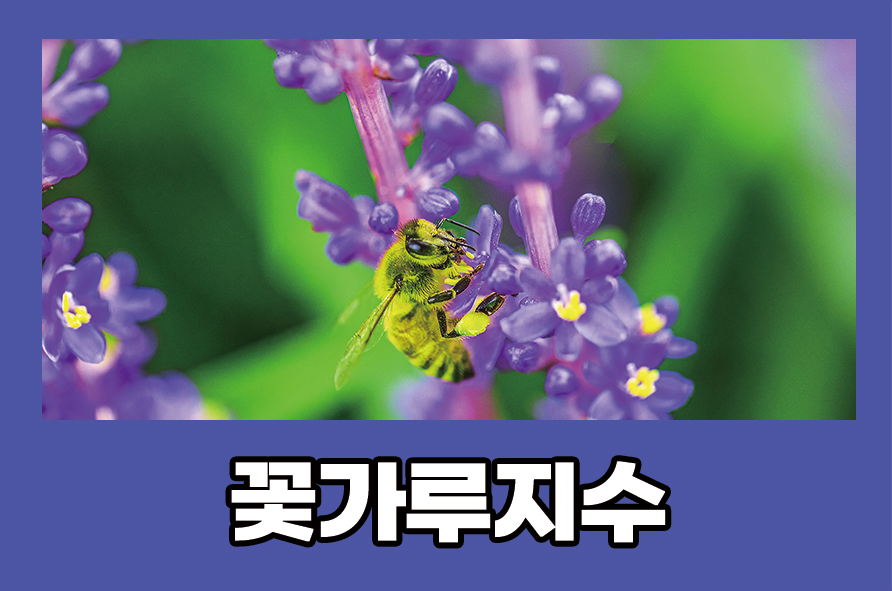
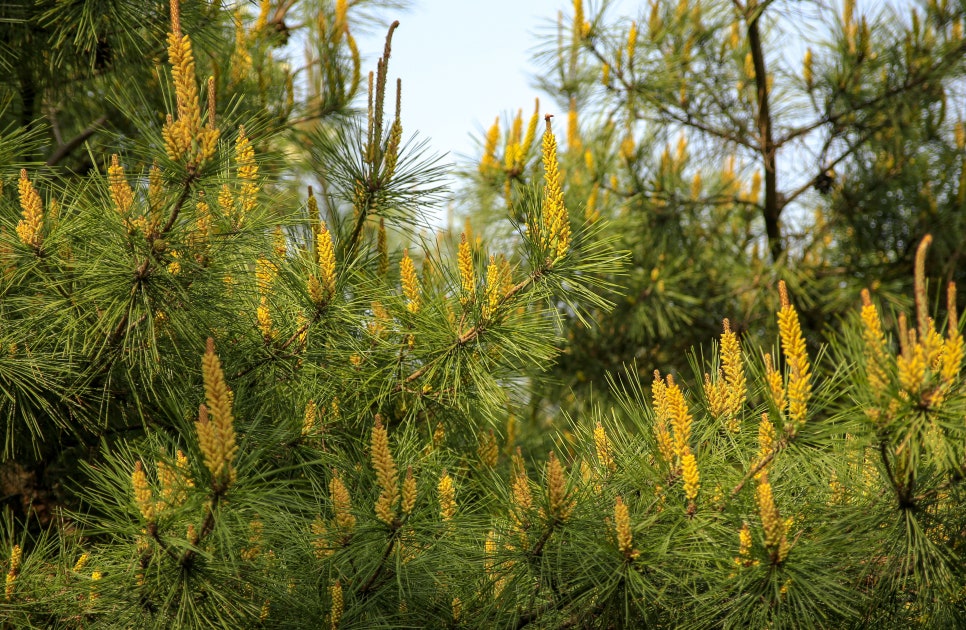
Spring is the perfect season for going out, but it also brings along unwanted pollen allergies. In some regions, the pollen index is very high, based on pine trees.
Pollen is a fine particle that plants need in order to reproduce, but for some people, it can cause significant discomfort due to allergic reactions.
Today, we will take a detailed look at the causes and symptoms of pollen allergy, the pollen index for at-risk groups, how to check it, and treatment and prevention methods.
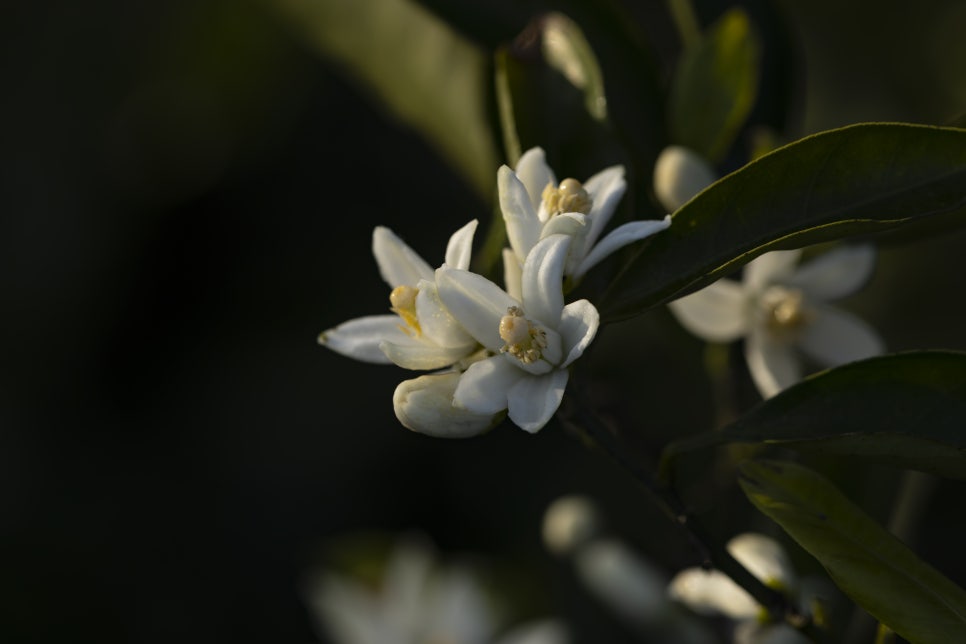
This condition is triggered when pollen enters the body through the respiratory tract, and the immune system recognizes pollen as a harmful substance, causing an overreaction.
It is caused by pollen from certain plants, with birch, mugwort, and chestnut trees being common examples. Pollen concentration varies by season and leads to various symptoms.
The main symptoms are frequent nasal congestion, sneezing, and runny nose, along with itchy eyes or tearing, and sometimes a rash may appear on the skin.
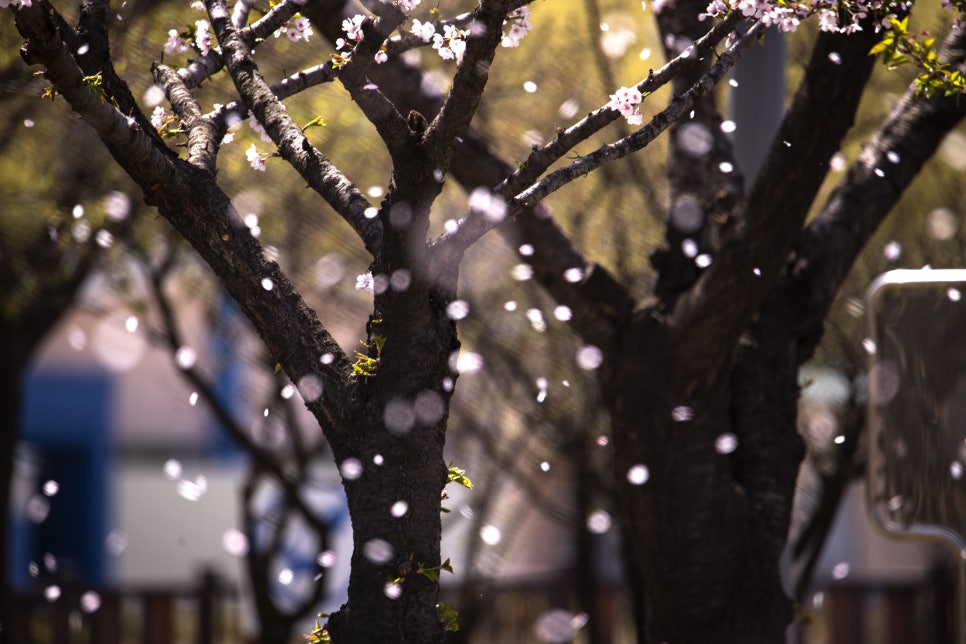
In severe cases, it can cause shortness of breath and asthma symptoms, so if symptoms persist or worsen, prompt action is necessary.
For high-risk pollen index levels, various weather conditions such as temperature, wind speed, rainfall, and humidity are assessed before predicting the pollen index.
This is an index that quantifies the likelihood of triggering allergic diseases, and the Korea Meteorological Administration classifies it into four levels and provides response guidance for each level.
At the low level, symptoms may appear in people with severe illness, and even people who are usually not very affected are likely to show symptoms.
Therefore, when going out, wearing a mask and sunglasses may be helpful, and on days known to be at a high level, it is best to avoid going out if possible.
Even so, if you must go out, be sure to wear a mask and sunglasses, and wash your hands thoroughly after going out.

The usual treatment methods for this condition are generally antihistamines, rhinitis sprays, and eye drops specifically for the eyes. Antihistamines help block allergic reactions.
If the symptoms are severe, appropriate steroid medications or immunotherapy should be considered according to the prescription of the relevant medical professional.
In the case of immunotherapy, it is a method that gradually eases the immune response to pollen so that the condition can be managed over the long term.

To prevent the condition, above all, it is best to avoid going out as much as possible during the season and on days when a lot of pollen is flying around.
After going out, since pollen may be stuck to your clothes, change clothes and wash your eyes and nose cleanly so that no pollen remains on your body.
In addition, using an air purifier to keep indoor air clean can also be helpful, and I hope you can prevent this condition through steady management and prevention.