Nabina effects and side effects,
let’s also look at how to eat it
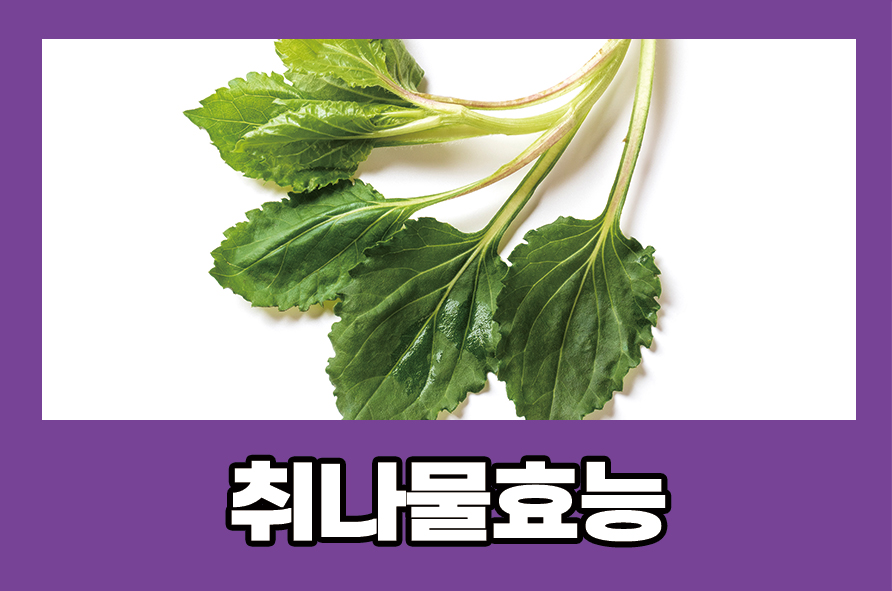
Among spring greens, nabina is grown in many regions,
so it can be enjoyed deliciously regardless of the season,
and its benefits are also said to be excellent.
In the case of nabina, it refers collectively to about 60 plant species with "nabina" in their names, such as gomtbe, chwi, and ipchwi.
Today, let’s take a closer look at various benefits and side effects of nabina, how to eat it, precautions, and how to wash and blanch it.
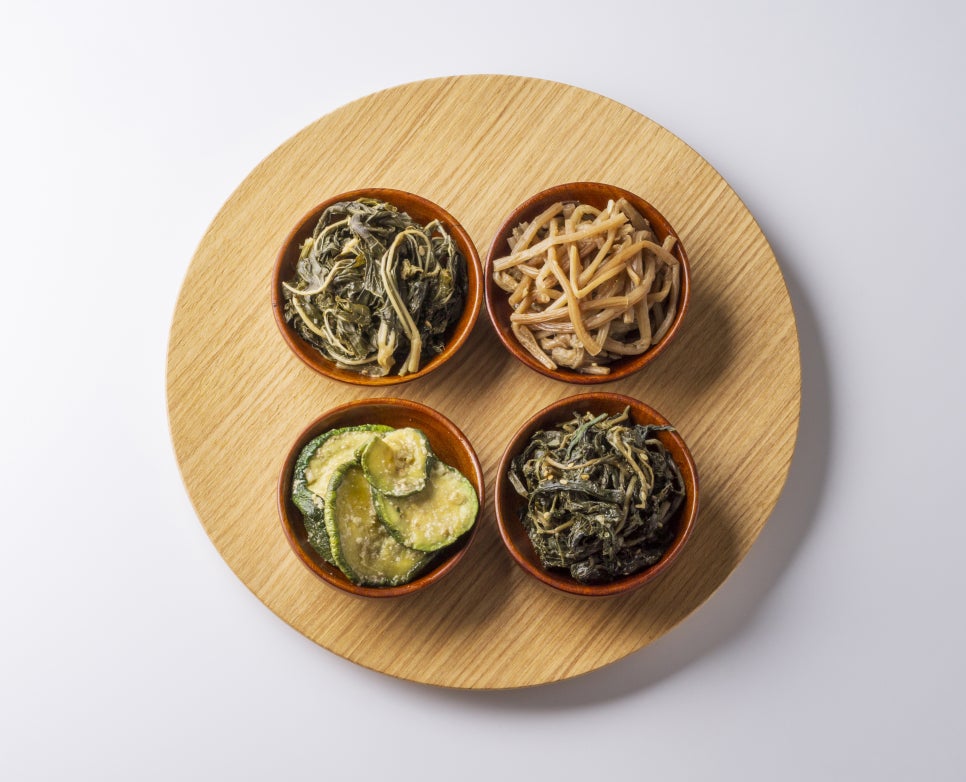
It is known as a representative healthy ingredient among wild greens,
and it boasts various benefits along with its distinctive flavor.
First, it contains many vitamins and minerals, which help relieve fatigue and strengthen the immune system, and it is also excellent for removing waste products that have accumulated in the body.
In particular, because it contains ingredients that are good for improving liver function, it is a food that is good for people who need liver detoxification to consume steadily over a long period.
In traditional Korean medicine, it is said to help prevent coughs and colds, so it is often good for use as a prescription for bronchial diseases.
It contains a large amount of potassium, which helps with sodium excretion, so it is also positive for preventing high blood pressure, and beta-carotene is converted into vitamin A, which helps maintain eye health.
It helps prevent night blindness and protect eyesight, and because of its benefits for improving skin health, it is good to consume if you have dry skin or are worried about skin troubles.
It also contains a lot of dietary fiber, so it is beneficial for gut health as well,
promotes intestinal movement to help prevent constipation, and is also involved in increasing beneficial bacteria in the intestines.
Therefore, if someone with poor bowel health regularly consumes it, they may be able to maintain overall digestive health for a long time.
In particular, if you consume it when you feel bloated after eating greasy foods, it may have a positive effect on digestion.
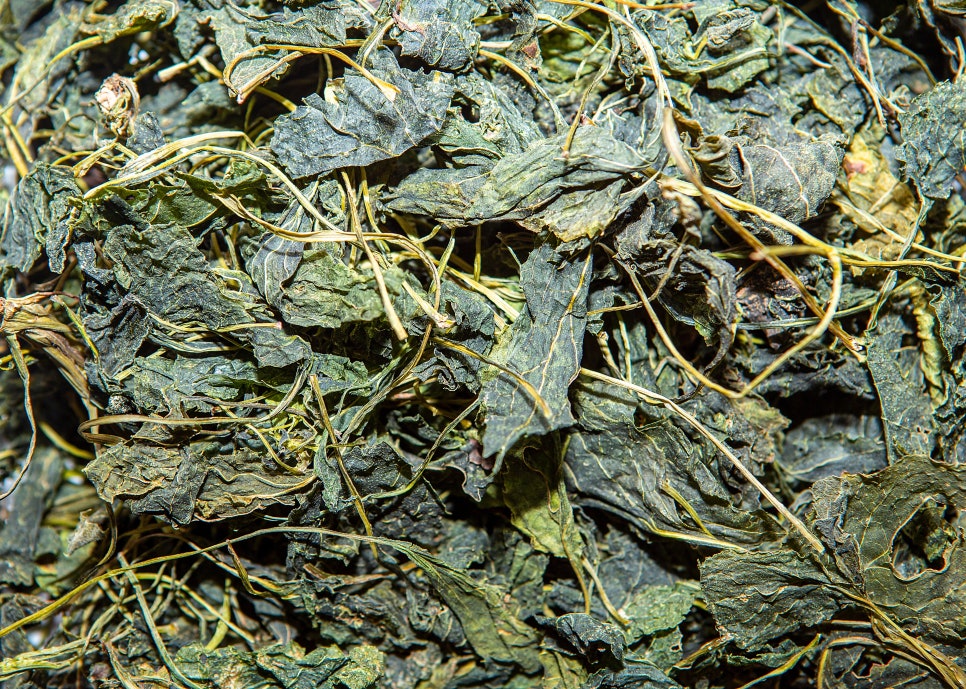
Because it is low in calories, even people who are dieting can consume it without 부담, and it also helps relieve springtime sluggishness, known as spring fever.
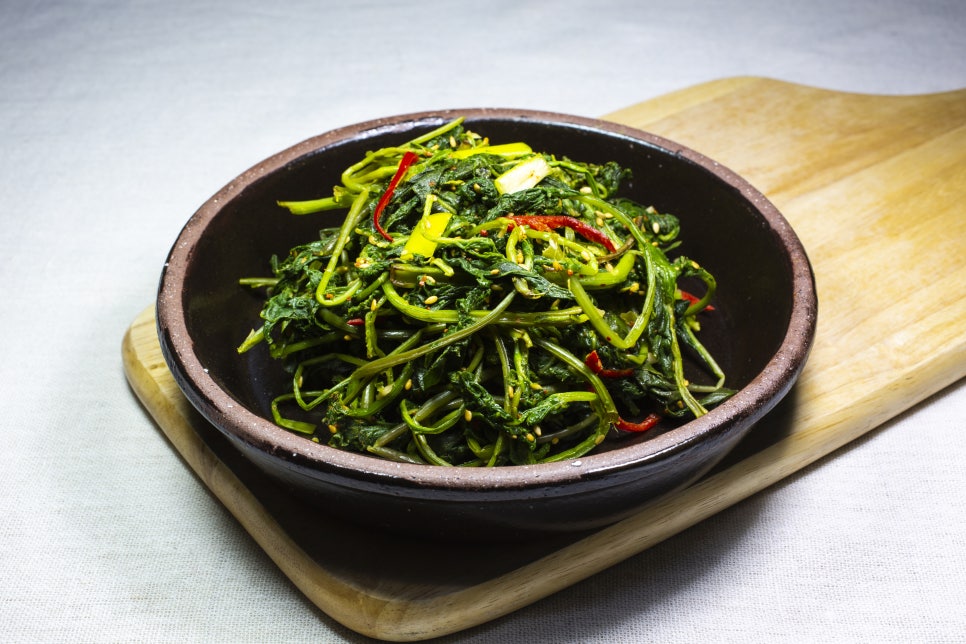
It is commonly eaten after being blanched as a side dish, but it can also be used in soups, pancakes, and as an ingredient inside kimbap, so there are many delicious ways to enjoy it.
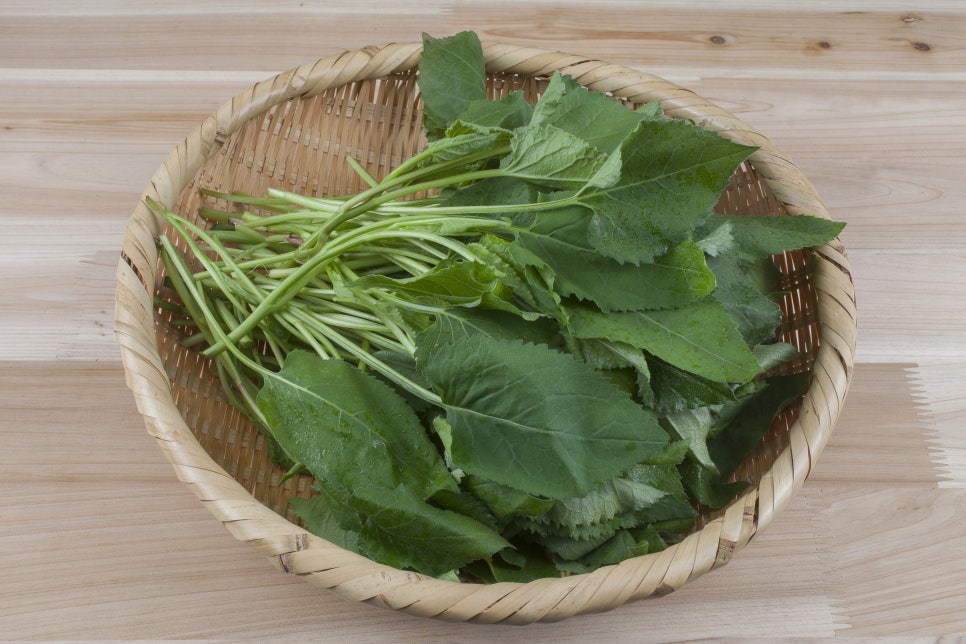
However, it needs to be thoroughly washed in clean water before blanching, and after blanching it in boiling water, it should be carefully rinsed in cold water to remove bitterness and unnecessary components.
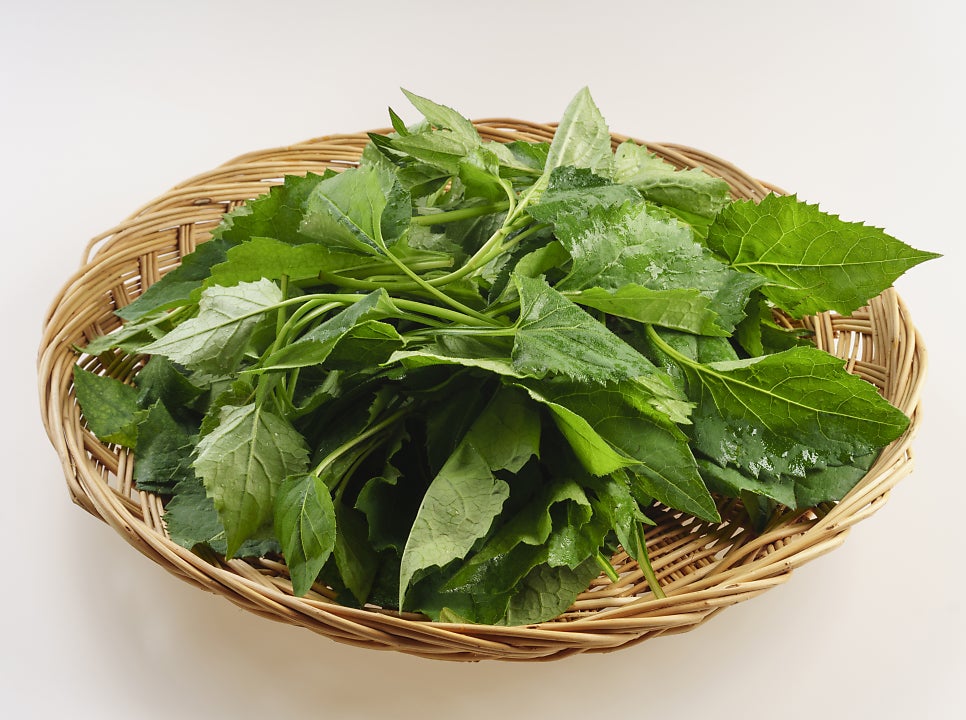
If you eat it raw, you may unintentionally ingest toxins, so it is safer and tastier to eat it cooked.
The component called oxalic acid may combine with calcium in the body and cause side effects such as stones, but it almost evaporates during the blanching process, so please be sure to eat it cooked.
Even if trimming and preparing it is a bit troublesome, it is an excellent and beneficial food, so I hope you try eating it at least once whenever the seasons change.