Type B influenza symptoms and fever
Diagnosis methods, treatment, and more
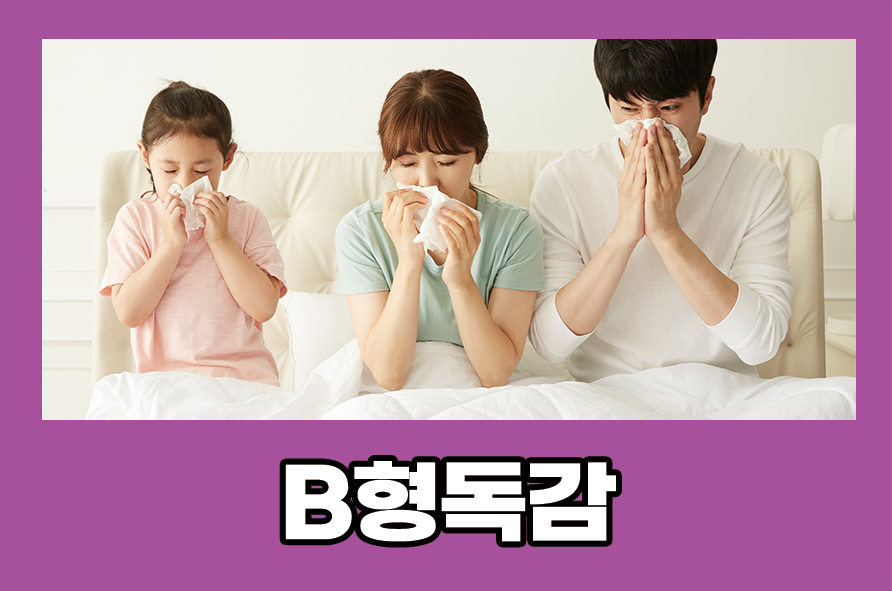
Recently, the incidence of pediatric infectious diseases has been increasing,
and amid the continued spread of Type B influenza, it is important
to know preventive response methods in advance.
Because it can be easily transmitted through the respiratory tract and secretions,
children or adolescents with weak immunity need to be especially cautious.
Today, we will take time to look in detail at the causes of Type B influenza,
fever symptoms, diagnosis methods, treatment methods,
and prevention methods.

Type B influenza, a type of influenza virus,
is a respiratory infectious disease and, compared with Type A influenza,
has fewer mutations, so it tends to spread in smaller outbreaks.
Because it is easily transmitted through droplets such as coughs,
sneezes, and nasal discharge from infected patients,
it mainly spreads in enclosed spaces such as schools and workplaces.
The incubation period is relatively short, averaging 1 to 4 days,
and Type B influenza symptoms can appear just one day after infection,
so it must be identified quickly in the early stages.

Symptoms of Type B influenza are usually more common in February and March,
and, compared with the common cold, they tend to be more severe and appear suddenly.
In addition to respiratory symptoms such as a high fever of 38°C or higher,
headache, cough, and phlegm, muscle pain may also occur,
and because it is highly contagious, it spreads quickly.
If you are a child, an older adult, or someone with a chronic illness and have weak immunity,
complications such as otitis media, bronchitis, or pneumonia may develop,
so extra caution is needed.
The diagnostic method for this illness is performed at a relevant medical facility
through a rapid influenza antigen test, and if the result is positive,
it is advisable to take antiviral medication early.
If medications such as Tamiflu, Peramiflu, or Xofluza are taken within 48 hours
of symptom onset, the severity and duration of symptoms can be reduced.
The sooner you receive prompt diagnosis and treatment,
the lower the likelihood of complications and the better the chance of a quicker recovery,
so treatment should proceed through early detection.

Above all, to prevent the illness, it is important to get vaccinated every year.
Even the essential vaccinations recommended in Korea can help address major infectious diseases.
Although the Type B virus mutates relatively little,
the risk of infection is high for infants, young children, and older adults with weakened immunity,
so it is best to get vaccinated first.
The usual vaccination period is between October and November,
and it takes about two weeks after vaccination for antibodies to form.

To prevent highly infectious illnesses in daily life,
basic measures such as washing your hands after going out are essential,
and if you have a cough, wearing a mask is also important.
In particular, you should avoid touching your face, eyes, and mouth as much as possible,
and you should avoid contact with people showing respiratory symptoms.
In addition, indoor spaces should be ventilated frequently,
and to prevent spread within the household, isolation and separate personal items are necessary.
Please also make sure to get enough rest, as excessive activity can easily lower immunity.