Timing for early pregnancy tests,
how to use them, and precautions
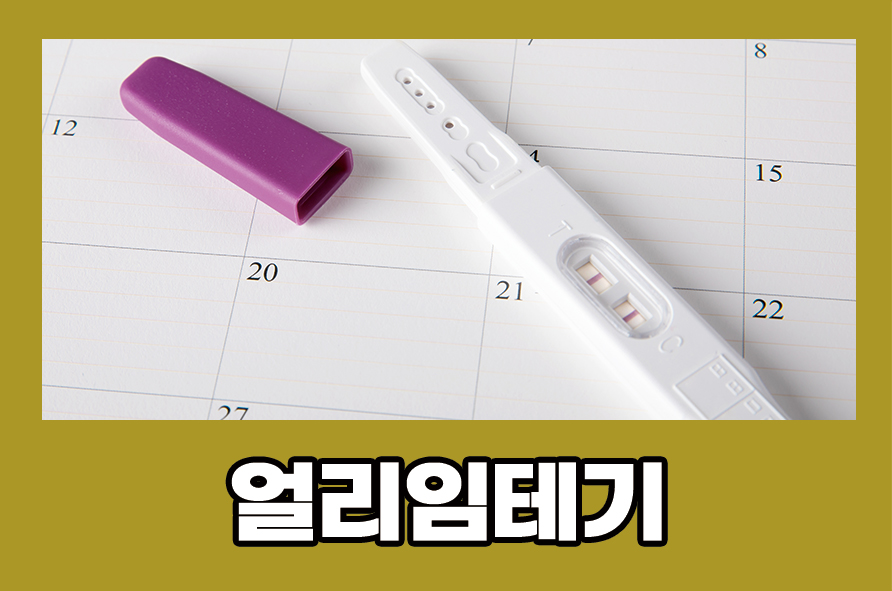
Many people use pregnancy tests before visiting an OB-GYN to check whether they are pregnant, and it can be difficult to wait until the time when results can be determined.
Usually, about 14 days after ovulation are needed, but there is an early pregnancy test that can determine the result more quickly and clearly than this.
Today, we will take a look at the timing, basic information, how to use it, precautions, and more regarding early pregnancy tests.
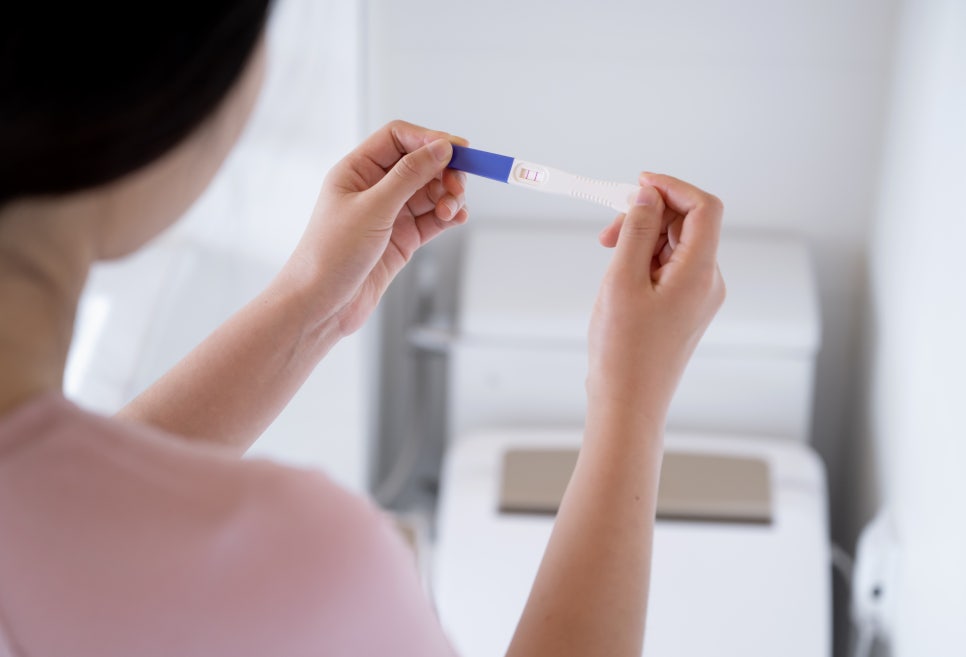
An early pregnancy test refers to an early detection pregnancy test that can clearly confirm pregnancy at an earlier stage than other tests.
Conventional tests are generally used after the expected date of menstruation, but this product can be used a few days before the expected date of menstruation.
This is because high-sensitivity technology is applied so that it can quickly detect the hCG concentration in urine, and the usual timing of use is 10 days after intercourse.
It is best to use an early pregnancy test about 5 days before the expected date of menstruation, but if it is too early or if you have consumed a lot of fluids, clarity may be reduced.
If you want a highly satisfactory result, it is recommended to use it two days before the expected date of menstruation or with the first urine in the morning, and you should read the product instructions before use.
As with conventional tests, one line means negative and two lines mean positive, and if the second line appears faintly, retesting is recommended.

Even if a positive result appears, it could be a dangerous situation such as an ectopic pregnancy, so it may be helpful to receive medical care.
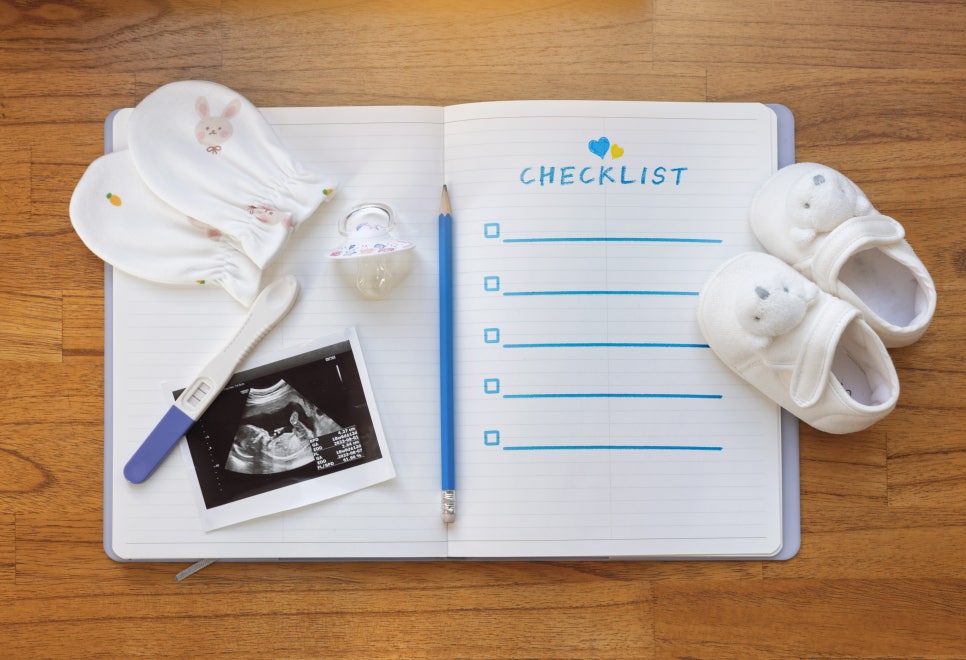
If it is a normal pregnancy, the sooner the better, but it is best to confirm it through a medical visit around 5 to 6 weeks, when it can be examined in detail by ultrasound.
Even though it is a pregnancy test that can be used conveniently at an early stage, there are also drawbacks, and it can even detect implantation failure and cause unnecessary worry for expectant mothers.

Also, even if the test result is negative, there are often cases where implantation is delayed and hormone secretion starts later, so using a regular pregnancy test may be better.
In such cases, retesting after 2 to 3 days or checking after the expected date of menstruation has passed provides greater clarity.
Also, if ovulation occurred later than expected, confirming pregnancy naturally may be pushed back, so it is good to keep track of your usual menstrual cycle and symptoms.
This product is a convenient tool for checking pregnancy, but it is a product that absolutely requires a clear understanding of its interpretation and use.
Rather than repeatedly taking early tests while feeling anxious, it is recommended to recheck after some time, and visiting a related clinic can also help.
If you want to confirm it more quickly than this, you can visit a related clinic and determine it through a pregnancy blood test or blood test, and it takes about 15 minutes, so please keep that in mind.