
Sogang Univ. Station Dental Clinic Tooth Loss
Conscious Sedation Sleep Implants

Natural teeth are an important part of the body that play a key role,
helping chew food for smoother digestion and having a major impact
on aesthetics and speech as well.
As such, because teeth perform a variety of functions in life,
it was important to carry out daily oral hygiene care carefully.
Although they may seem sturdy, they could suddenly crack or break
unexpectedly due to a strong impact or habits of improper use.
In addition, as people age, aging begins and gum health can take a turn
for the worse, leading to tooth loss, or teeth may be lost due to cavities,
gum disease, and similar conditions.
Permanent teeth do not regrow on their own once lost, so if tooth loss
occurs, it is best to visit a dental clinic near Sogang Univ. Station.
The problem of tooth loss not only causes pain, but if left untreated for a
long time, it can also negatively affect overall health.
If tooth loss is left unattended for a long period of time, it may become
difficult to chew food properly, leading to relying only on the gums or
chewing only with the opposite side teeth.
If food that has not been finely broken down is simply swallowed,
indigestion, sudden weight loss, and nutritional imbalance may occur,
which can raise concerns for overall health.
In addition, difficulty articulating clearly can make communication with
others inconvenient, and the shape of the face may also change.
In particular, if the issue of tooth loss is left untreated for a long time,
the gums and jawbone may shrink, causing the face to appear sunken,
so caution is needed.
Because losing a permanent tooth is accompanied by various problems,
it can be helpful to receive appropriate treatment as soon as possible.
Recently, implants have been widely sought as a way to restore missing
areas while providing both function and aesthetics.
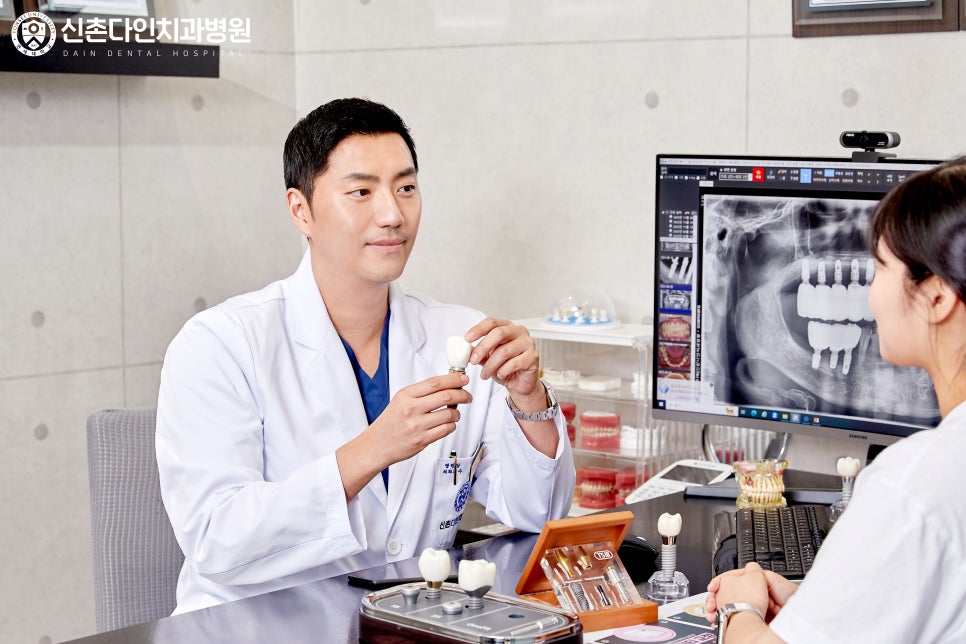
An implant involves placing an artificial root that serves as the root of a
natural tooth on top of the jawbone, then placing a prosthetic tooth that
serves as the crown and firmly connecting it with an abutment.
Compared with other methods such as dentures and bridges, it provides
better chewing force and blends naturally with the other teeth, allowing
aesthetic satisfaction to be restored as well.
Although implants have these various advantages, the process is complex
and highly difficult, so it was important to approach it carefully and
comprehensively.
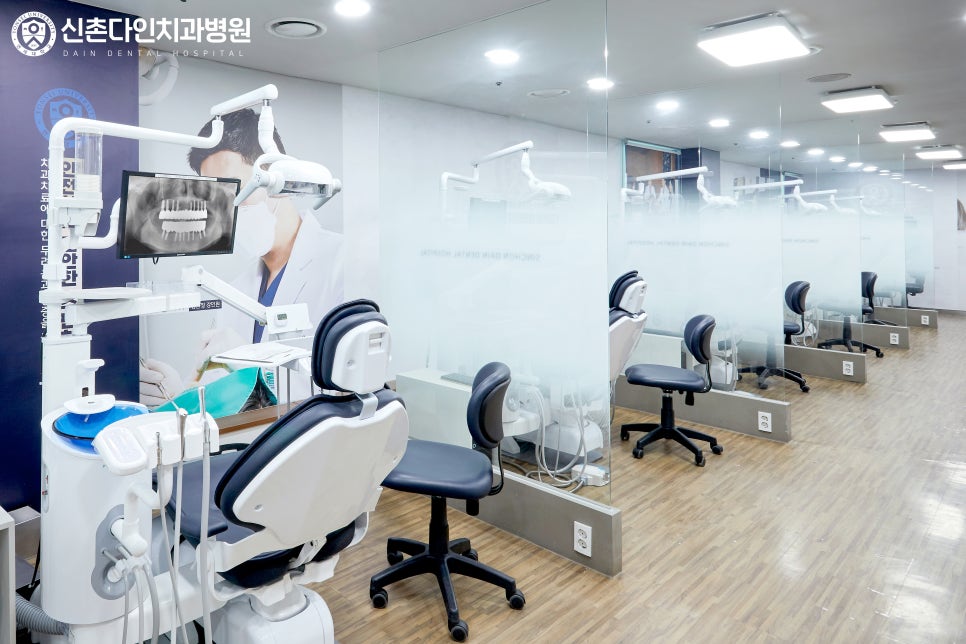
Before placement, the patient’s overall oral structure, jawbone condition,
and general health had to be accurately assessed and a plan established
before proceeding.
Therefore, through precise examinations, it was necessary to first closely
understand the overall condition of the inside of the mouth, which is
difficult for medical staff to confirm with the naked eye.
At the Sogang Univ. Station dental clinic, digital equipment such as the
available 3D-CT was used to three-dimensionally diagnose the condition
inside the mouth before artificial teeth were placed.
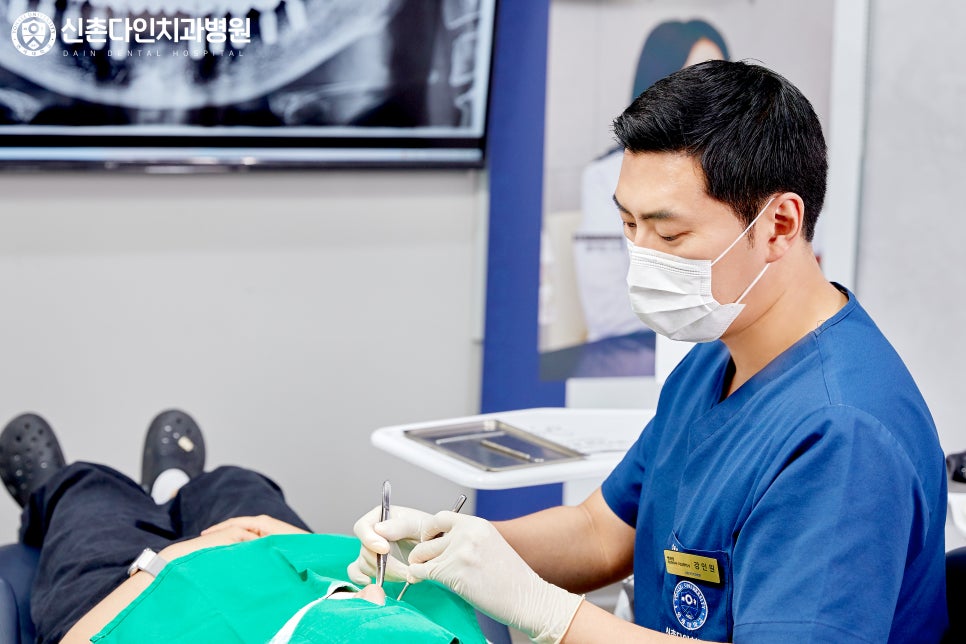
To provide appropriate treatment to the patient based on the precise
diagnostic results, it was also important to carefully evaluate the skill and
know-how of the medical staff.
At the Sogang Univ. Station dental clinic, for more successful implant
procedure outcomes, the treatment was carried out directly by medical
staff with a PhD in dentistry and graduates of Yonsei University.
Based on years of diverse clinical experience, they conducted sufficient
pre-procedure conversations with patients and carefully continued
treatment by understanding the current oral condition and whether any
systemic disease was present.
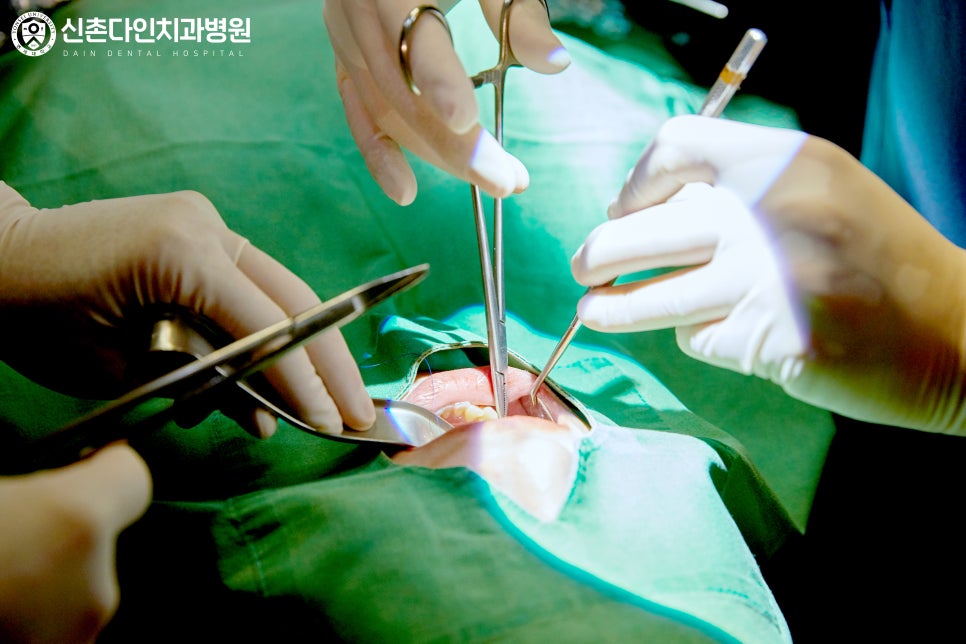
In addition, because only genuine implant materials with verified quality
are used in the implant procedure, a long prosthetic lifespan can be
expected.
However, even if the procedure ends with excellent placement results and
genuine materials are used, the implant may still fail due to side effects if
thorough care is not provided after treatment.
To reduce the possibility of side effects, the Sogang Univ. Station dental
clinic also provided careful aftercare through a treatment warranty system
even after placement.
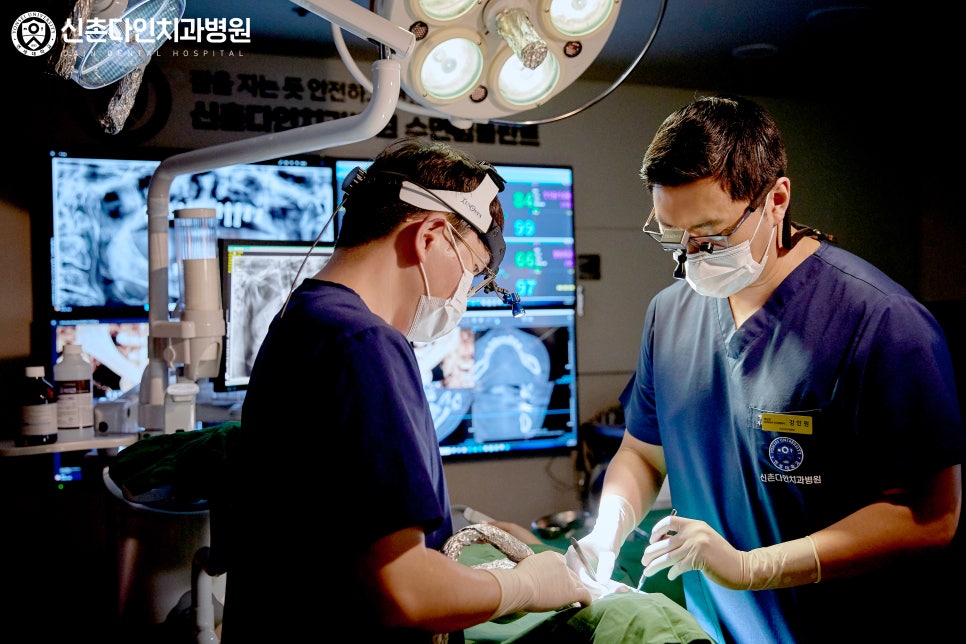
There were also cases where patients needed implant treatment but
delayed the proper timing because of a vague fear of the procedure,
causing their symptoms to worsen before visiting the clinic.
If a patient has a strong, vague fear and anxiety about dental treatment,
they may be able to overcome that fear through a sleep implant performed
with conscious sedation.
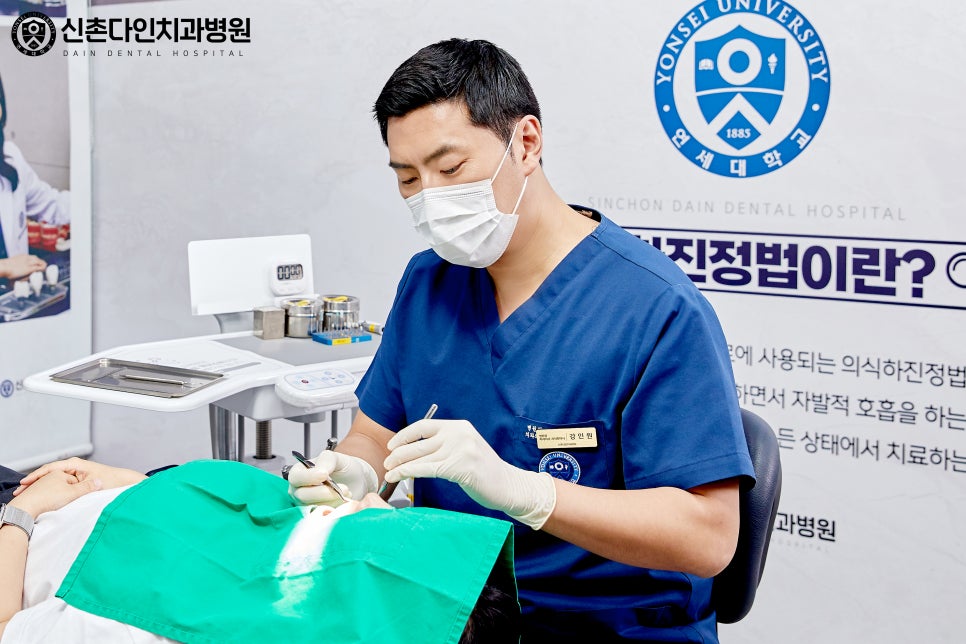
Conscious sedation is a method in which the patient is guided into a
lightly asleep state in which they can still breathe on their own without
wearing a separate breathing device, and then the procedure is carried out.
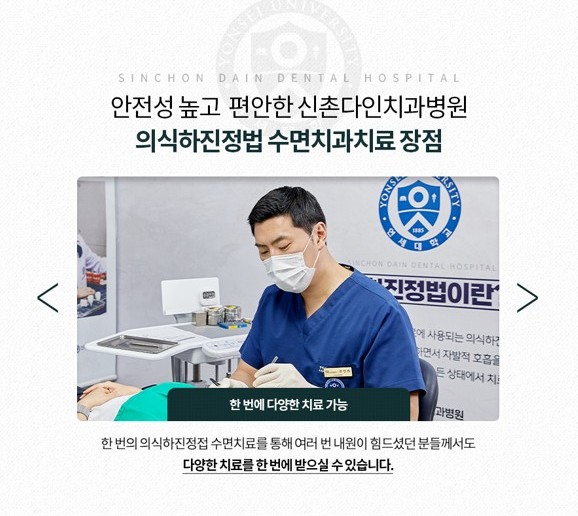
Unlike general anesthesia, some level of consciousness remains, so the
patient can respond to simple communication and instructions from the
medical staff, and recovery is also relatively fast.
Pain and unpleasant memories that may occur during the procedure are
almost forgotten after treatment ends due to the effect of amnesia,
which can help reduce dental anxiety.
At the Sogang Univ. Station dental clinic, patient monitoring equipment
that can track the patient’s lightly asleep state in real time is operated,
allowing the appropriate amount of sedative medication to be adjusted.