Early Symptoms of Appendicitis in Women
What Are the Causes and Treatment?
Among patients who visit the hospital because of sudden abdominal pain,
appendicitis is a common cause, and more than 120,000 people
receive treatment for this condition every year.
Appendicitis is a disease in which inflammation occurs in the appendix,
a small pouch attached to the end of the small intestine where the large
intestine begins.
Today, we will take a detailed look at the early symptoms, causes,
diagnostic methods, treatment methods, and prevention methods of
appendicitis in men and women.

Because the early symptoms of appendicitis usually progress acutely,
if it is left untreated without proper care, it can progress to
peritonitis and other conditions that can be life-threatening.
There are various causes, but it commonly occurs when the opening
of the appendix becomes tightly blocked by stool or lymph tissue.
If the opening becomes blocked, bacteria multiply inside the intestine,
causing inflammation, and in severe cases it can lead to necrosis or
perforation, so special caution is needed.
Early symptoms of appendicitis usually begin with discomfort around the
pit of the stomach, and as time passes the pain moves to the lower right
abdomen.
The pain becomes stronger and persists if left untreated, and it worsens
when walking or sitting, with pain also appearing when coughing.
Loss of appetite, nausea, vomiting, and a slight fever are also common
early symptoms of appendicitis, so you should visit a hospital as soon
as possible.
This condition is more likely to occur when immunity is weakened or when
there are more bacteria in the intestines, and it is relatively common
in younger people.
It is difficult to diagnose completely based on early symptoms alone,
so blood tests and imaging studies such as abdominal ultrasound and CT
scans are necessary.
If an elevated white blood cell count is confirmed in the blood, or if
a swollen appendix is seen on imaging studies, these findings can be used
as evidence for diagnosis.
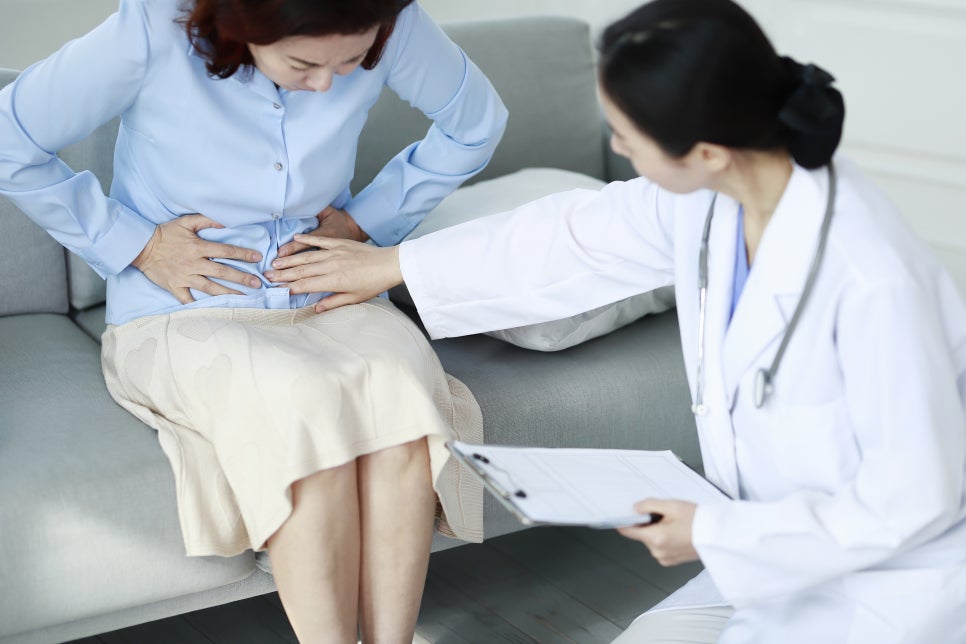
After that, if the disease is diagnosed, it is usually treated relatively
easily through laparoscopic surgery, and recovery is fairly quick, but
hospitalization may be necessary.
Before the procedure, fasting is maintained and antibiotics are given to
prevent the inflammation from worsening, and it takes an average of
about one week to return to daily life after surgery.
If appropriate treatment is not provided within 24 hours after onset,
the risk of necrosis or rupture increases, so prompt treatment is needed.
In daily life, if you build a diet that includes dietary fiber in a
balanced way, it can help keep bowel movements smooth and help prevent
this condition.
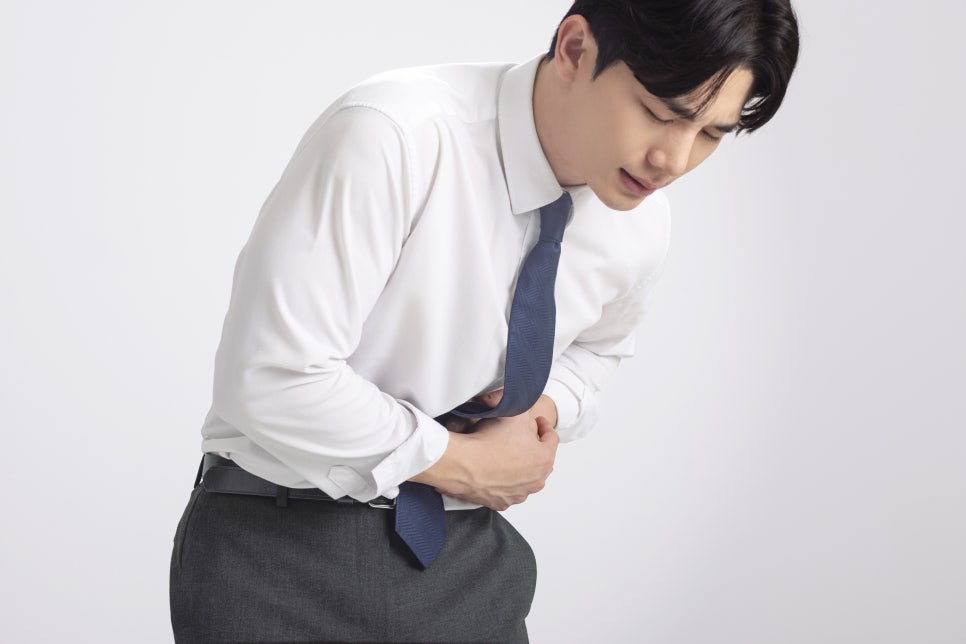
If you have sudden abdominal pain, or if existing pain moves and becomes
more severe, rather than relying on self-diagnosis, you should promptly
visit a related hospital.
There are many cases where people endure abdominal pain until it gets
worse and only then visit the hospital, so if this condition is suspected,
please get a clear examination and treatment without delay.