
Kamut looks almost like a long, slender oat at first glance, but it is a type of wheat that has been passed down since ancient Egyptian times.
It contains a larger amount of nutrients than modern wheat and is a grain that is easy to digest, so it has recently been drawing attention as a healthy food for maintaining long-term wellness.
Today, we will take a detailed look at the various benefits and side effects of Kamut enzyme, as well as how to consume it.
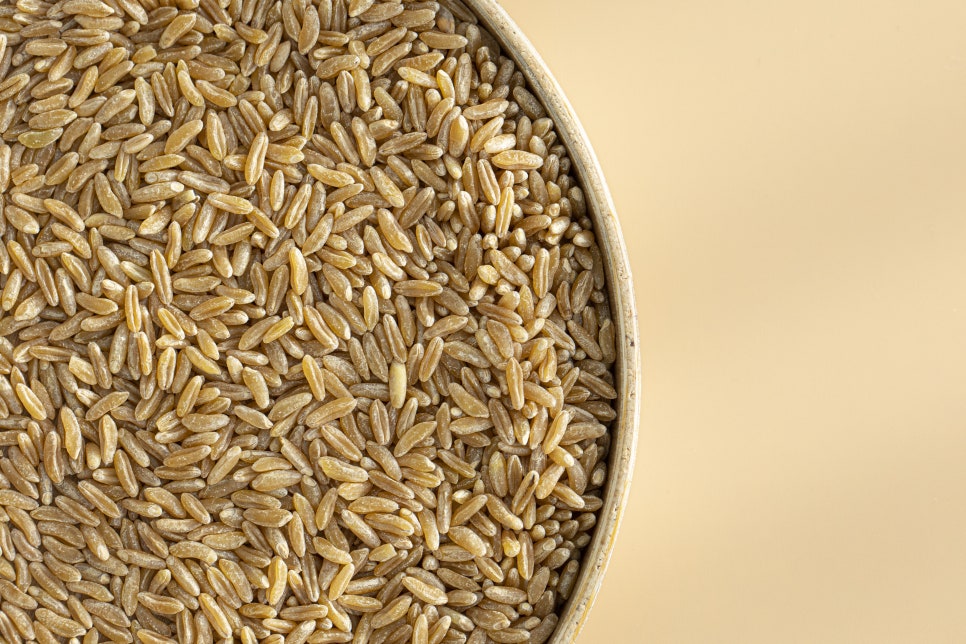
Recently, many products have appeared for people seeking the excellent benefits of Kamut enzyme, helping to further improve absorption in the body and metabolic function.
In addition to the protein, minerals, and dietary fiber contained in Kamut, the enzymatic breakdown process allows it to be consumed comfortably without putting a burden on the stomach and intestines.
Representative benefits of Kamut enzyme include improved digestive function and cleansing of the intestinal environment, which can be helpful for chronic bloating and constipation.
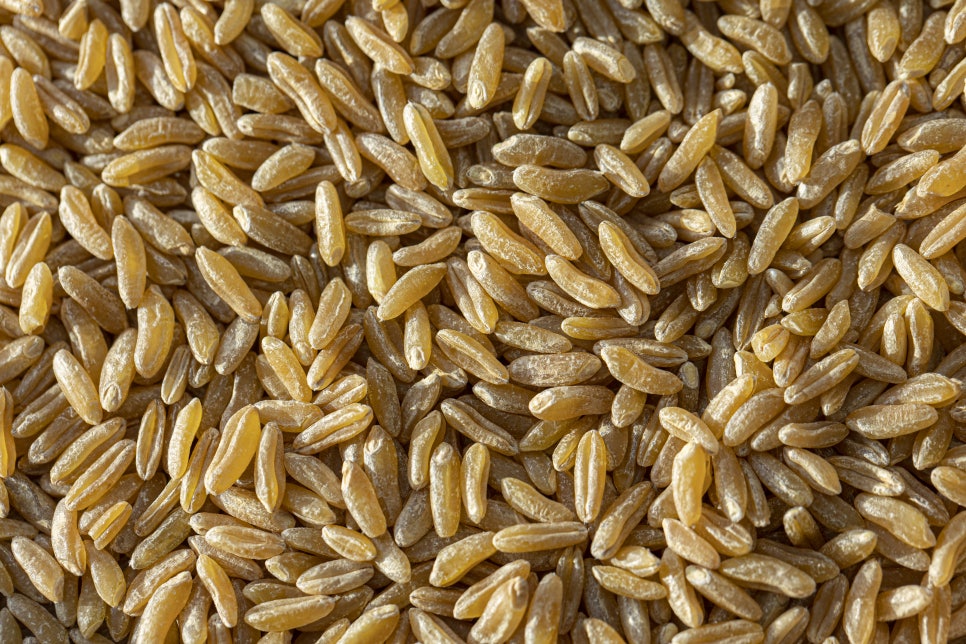
Because Kamut itself is a grain rich in dietary fiber, consuming it in enzyme form allows it to act quickly in the intestines and helps smoothly eliminate waste.
In particular, it has excellent benefits for suppressing the growth of harmful bacteria in the gut and encouraging the growth of beneficial bacteria, helping to balance the intestinal environment.
It also contains a well-rounded mix of antioxidant nutrients such as minerals like magnesium, zinc, and selenium, as well as vitamin E and protein.
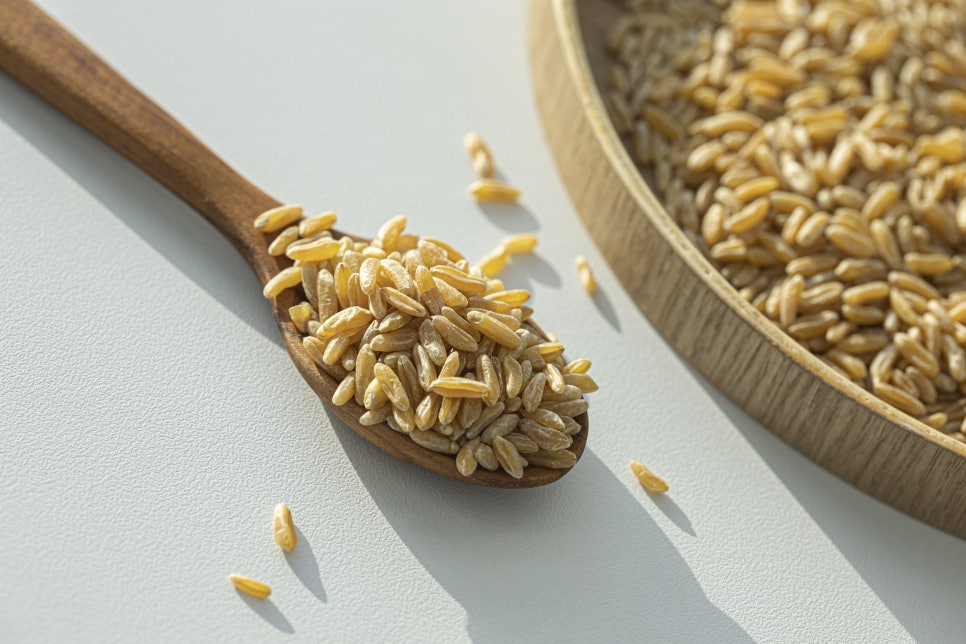
These ingredients help smooth metabolism, prevent cellular damage, and greatly support fatigue recovery and energy production.
Kamut enzyme helps these nutrients be absorbed more smoothly, so it can be an efficient choice for supplementing the unbalanced nutrition of modern people.
In particular, it serves as a practical supplementary food for quickly replenishing trace nutrients that tend to be lacking in diets that frequently include processed foods.
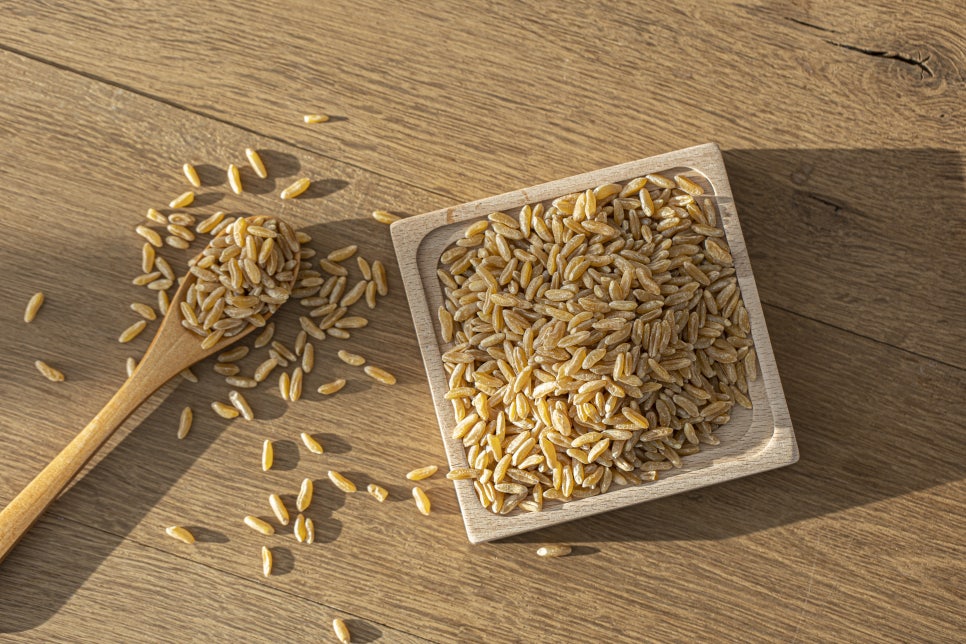
It is also a health food that can help with blood sugar and weight control, and it has the advantages of a low glycemic index and long-lasting satiety.
During dieting, it minimizes blood sugar fluctuations, helps improve insulin resistance, prevents overeating, and has a positive effect on weight management.
If consumed consistently, it may provide a variety of immune-supporting benefits across overall daily health, including reduced fatigue, cold prevention, and relief from skin problems.
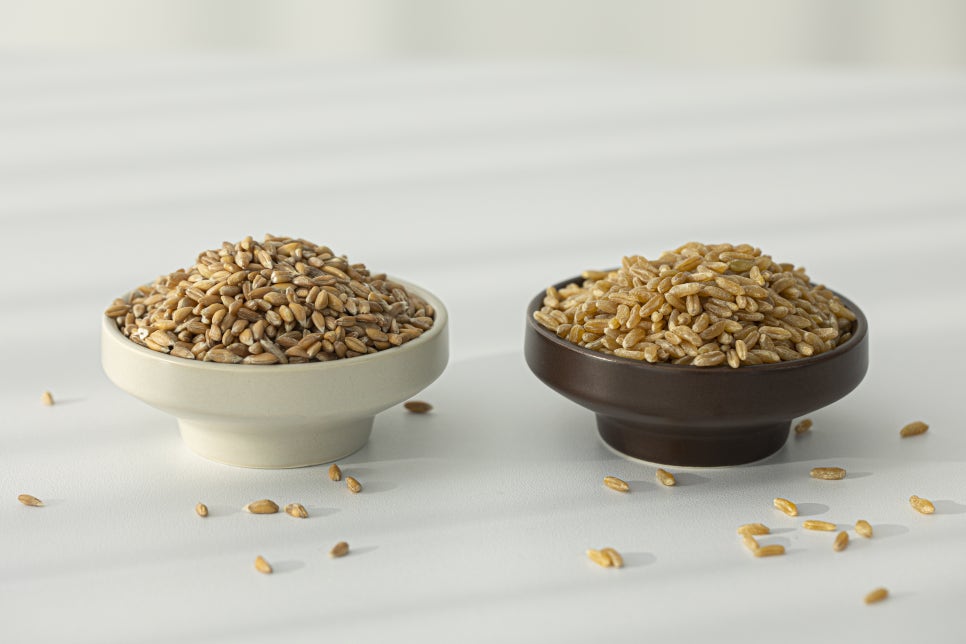
Unlike regular wheat, it has a low gluten content and a lower potential to trigger allergies, so it is relatively safer for sensitive individuals.
However, if you have a grain allergy, you should have enough discussion with the relevant medical professional before consuming it, and checking the product ingredient label is essential.
If you take it in supplement form, you should be careful not to exceed the recommended daily intake, and taking it with meals may further improve absorption, so please keep that in mind.