Early Menopausal Symptoms: Early
Causes and Management of Abnormal Bleeding
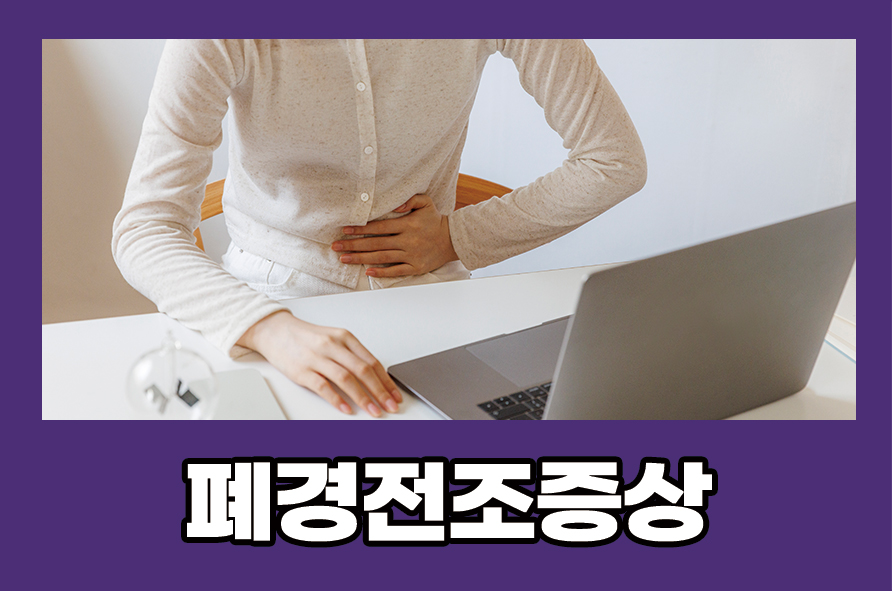
Menopause, a physiological change in which a woman’s reproductive function naturally comes to an end, is generally experienced between the ages of 45 and 55.
Because it does not begin suddenly, but rather progresses gradually over several months to several years through premenopausal symptoms, it is helpful to know about it in advance.
Today, we will take some time to look in detail at early menopausal symptoms, their causes, diagnostic methods, and ways to prevent abnormal bleeding.

This period is also called the menopausal transition or perimenopause, and the symptoms that appear at this time can cause considerable inconvenience in daily life, so caution is needed.
Because physical and psychological symptoms caused by hormonal changes appear in combination, it is important to recognize premenopausal symptoms in advance and respond appropriately.
A representative premenopausal symptom is a change in the menstrual cycle, where the interval between periods becomes shorter or longer, and abnormal bleeding or changes in the amount of bleeding occur.

A characteristic feature is that ovulation becomes irregular, causing the amount of menstrual blood to alternate between heavier bleeding and almost no bleeding.
These changes are the result of a rapid decline in estrogen levels and should be taken as a sign that reproductive function is gradually declining.
If menstrual changes continue for more than 3 to 6 months, it may mean that full menopause is approaching, so they need to be observed carefully.
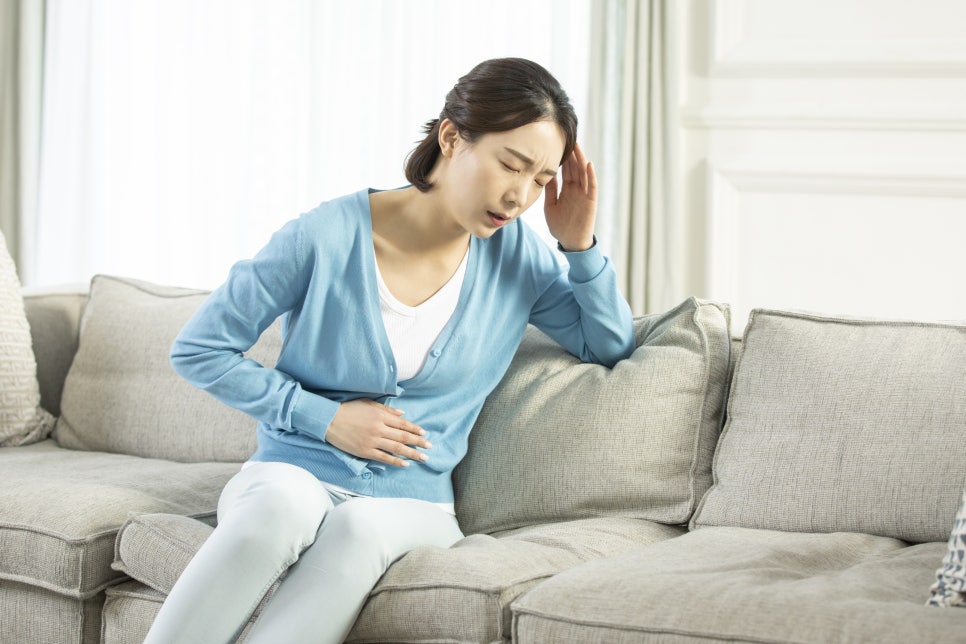
One common symptom is hot flashes and sweating, where the face suddenly feels flushed and sweat appears without any particular reason.
In particular, heavy sweating at night can negatively affect sleep patterns, and symptoms such as palpitations and cold sweats may also accompany it.
This occurs because the autonomic nervous system becomes imbalanced and temperature regulation function declines, making it a source of discomfort in daily life.
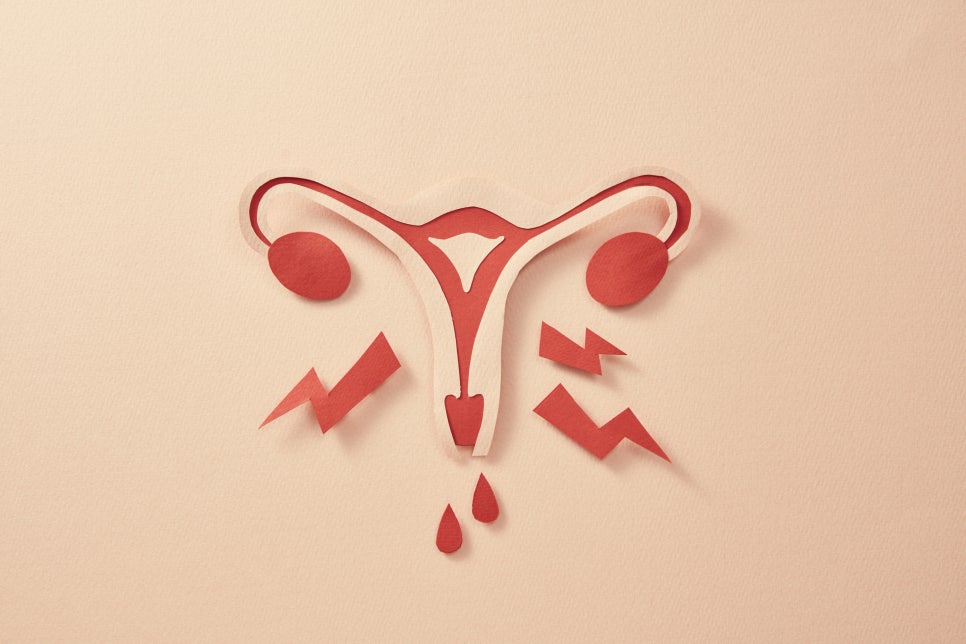
In addition, some people experience severe mood swings along with psychological symptoms such as depression, anxiety, reduced concentration, and memory decline.
Feeling easily down or becoming anxious for no reason is not simply an emotional change, but a physiological response to hormonal changes.
Since estrogen is closely related to neurotransmitters, a sharp drop in its levels can intensify emotional instability.
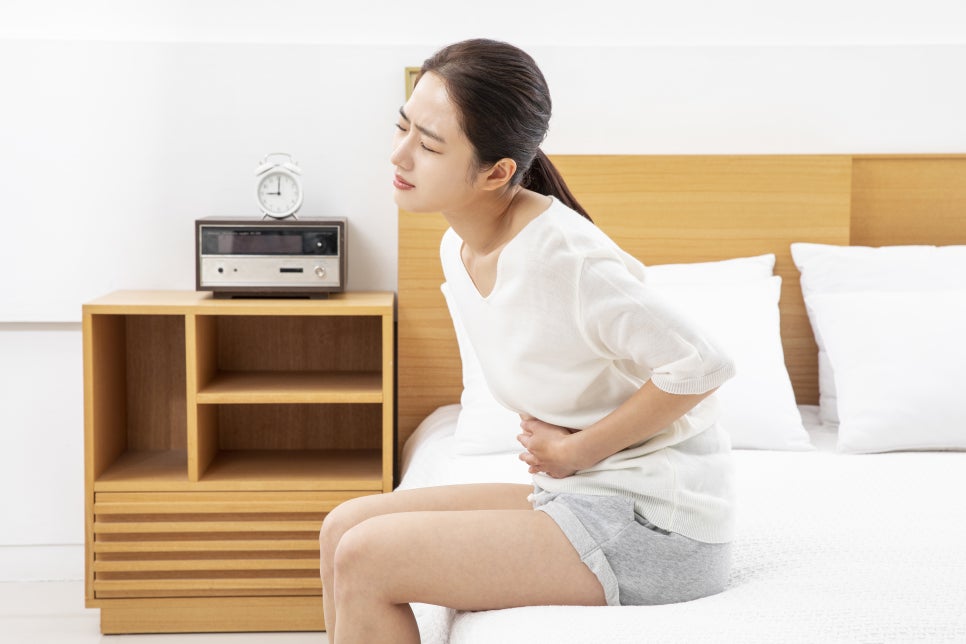
These symptoms are an unavoidable part of life, but they can be eased and managed in a healthy way through proper exercise, diet, and regular checkups.
By getting enough calcium and vitamin E, preventing weight gain, and doing regular aerobic exercise, you can respond more flexibly to hormonal changes.
If necessary, symptoms can be controlled through hormone replacement therapy or related treatments, so if symptoms worsen, please seek help from the appropriate medical professional.