
Yangpyeong Station Dental Clinic Implant Treatment
Managed Through a Careful Process

The situation of losing a permanent tooth can happen for surprisingly many reasons.
As people naturally age, teeth and gums can weaken due to aging and eventually fall out.
Aging is considered a major cause of tooth loss, so it may seem like only older adults experience tooth loss, but it can also happen at a younger age.
There were cases of tooth loss due to cavities and periodontal disease caused by poor oral hygiene, and teeth could also be lost due to unexpected accidents.
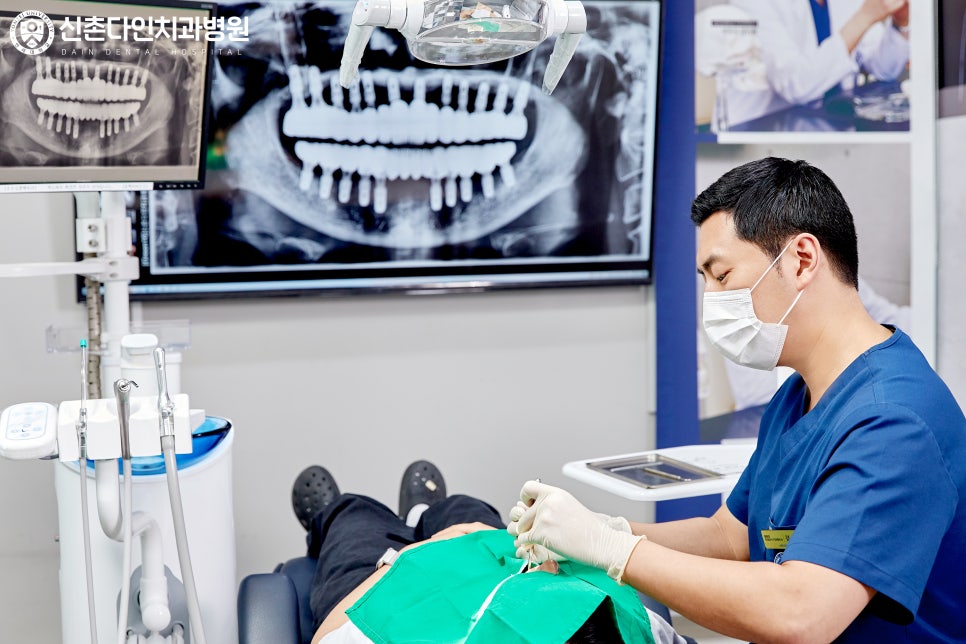
If you lose a natural tooth for any reason, it is important to receive appropriate treatment at Yangpyeong Station Dental Clinic to replace its original function.
When a permanent tooth is lost, various inconveniences can arise in daily life. In particular, if a molar is lost, chewing ability can be significantly reduced.
The power to chew food properly is greatly diminished compared with before, and large pieces of food may be swallowed without being chewed well.
If food is swallowed without being chewed into small pieces, it can lead to indigestion, and there may be restrictions that make you eat only foods that are easy to chew rather than hard or chewy foods.
Because people may usually end up eating mostly soft foods, they may not get a balanced range of nutrients, which can lead to problems such as nutritional imbalance.
In addition, since teeth also play an important role in pronunciation, speaking with others may cause speech to become unclear, and if the front teeth are lost, smiling may feel difficult.
If the empty space left by a missing tooth is left untreated for a long time, the position and angle of adjacent teeth can gradually change, and foreign substances may become trapped in between.
When food debris and foreign substances get caught in the empty space, this can also have a negative effect on oral health by causing cavities and periodontal disease.
Therefore, if a permanent tooth has been lost for various reasons, it should not be left as is; treatment should be received quickly to restore its original function.
Recently, in such situations, people have been choosing implants, which can replace both function and esthetics by placing an artificial tooth root in the jawbone and then connecting a prosthetic crown.
Because implant treatment involves direct placement into the jawbone, it can achieve strong fixation and restore chewing function to a level similar to that of natural teeth.
It also has a shape and color similar to permanent teeth, so it tends to blend in well with the surrounding teeth, and if maintained consistently, it can be used for a long time.
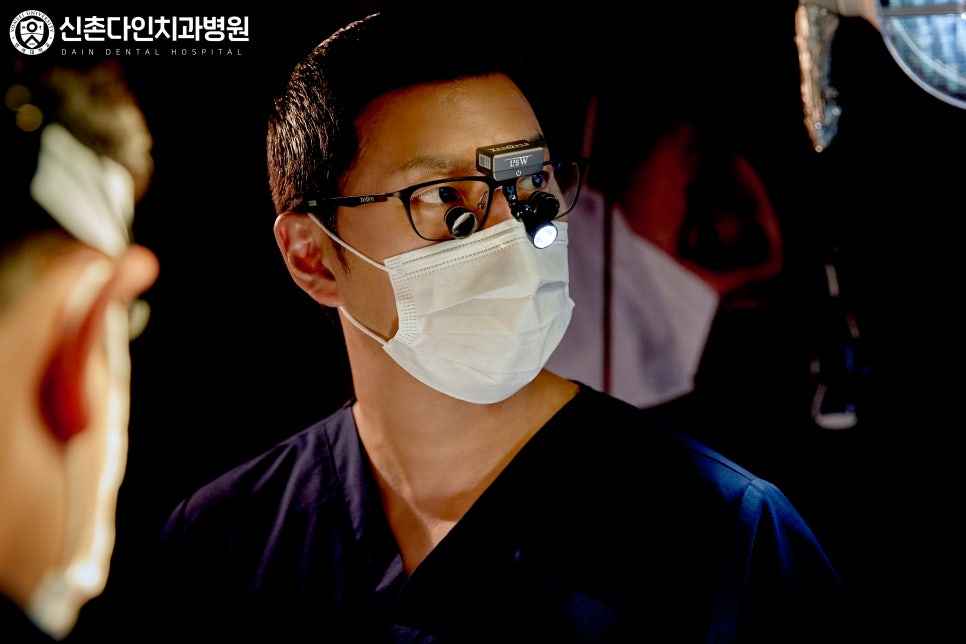
However, because implant treatment is considered a high-difficulty procedure, it should be carefully performed after comprehensively evaluating several factors.
First, the patient's oral condition should be carefully examined, and a clinic should be chosen that understands the overall oral condition and establishes an appropriate plan.
A dental clinic near Yangpyeong Station was using 3D-CT precision diagnostic equipment to identify jawbone conditions and nerve locations that are difficult for medical staff to confirm with the naked eye.
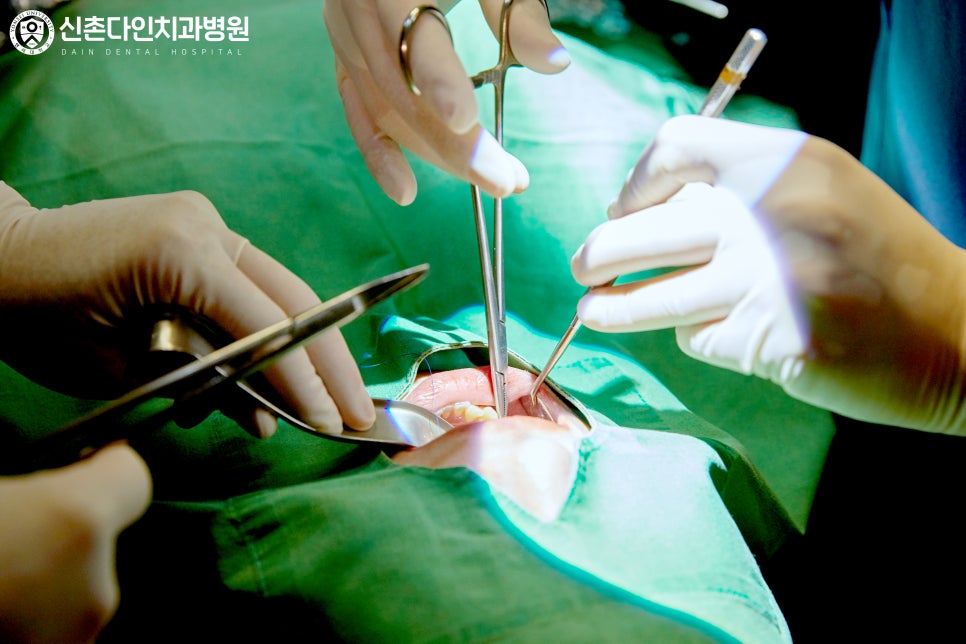
In addition, in order to proceed with treatment suited to the condition based on precise diagnostic results, it was necessary to find a place where medical staff with extensive clinical experience were on site.
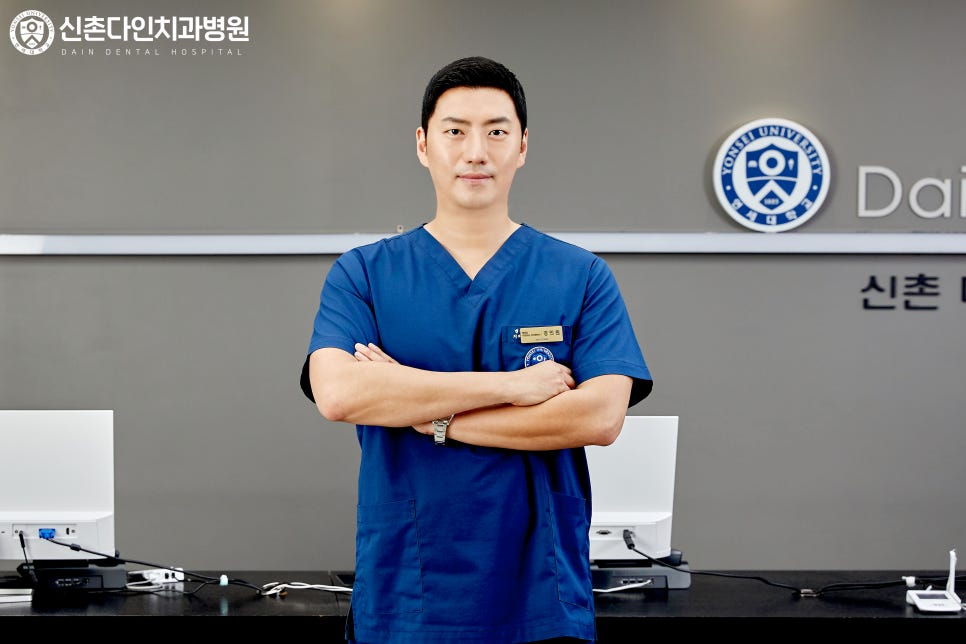
At Yangpyeong Station Dental Clinic, for more successful implantation results, a medical team from Yonsei University with a Doctor of Dental Medicine degree directly helped with everything from treatment to aftercare.
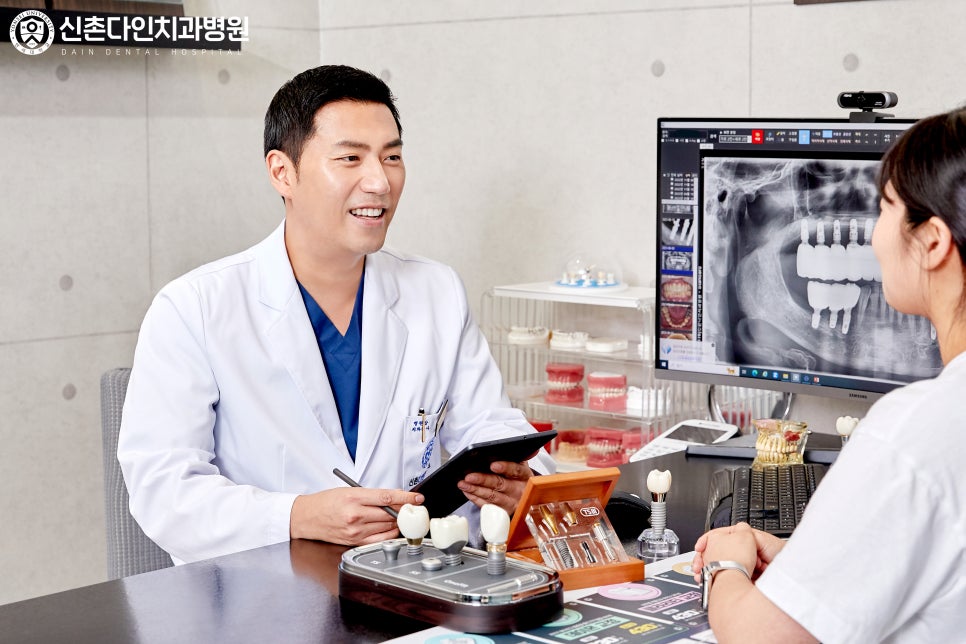
Before implantation, they carried out sufficient discussion with the patient and established a precise plan after considering not only oral condition but also overall health and age.
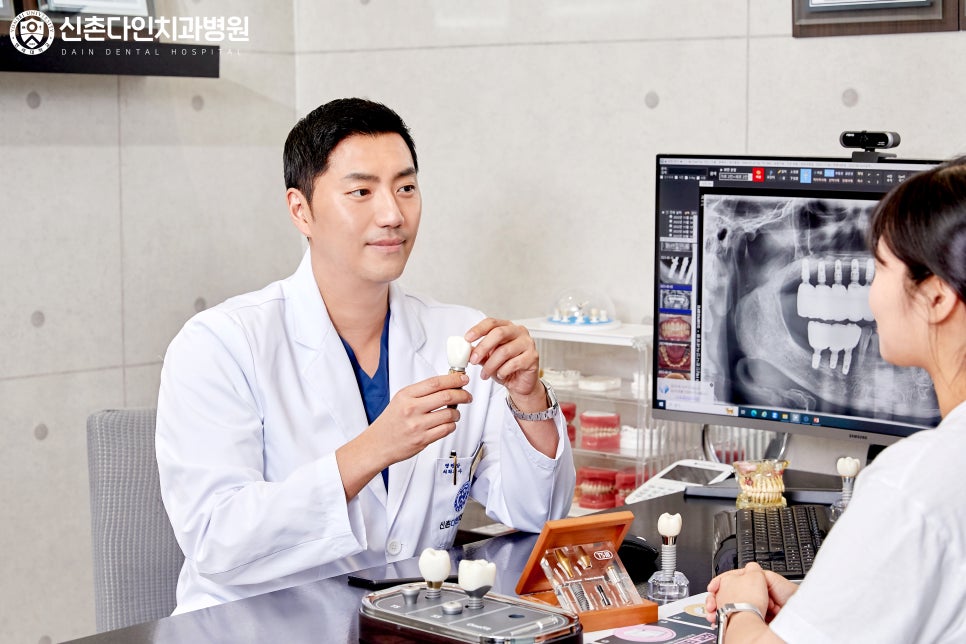
As for the implant materials used at Yangpyeong Station Dental Clinic, only verified genuine domestic and international materials were handled in order to continue treatment with greater stability.
In addition, they operated a treatment guarantee system so that patients could receive regular follow-up care through a careful process after the procedure, helping ensure consistent management.
However, if someone had negative experiences with dental clinics in childhood or has a fear of the clinic itself, there were cases where treatment was delayed until the condition worsened before visiting.
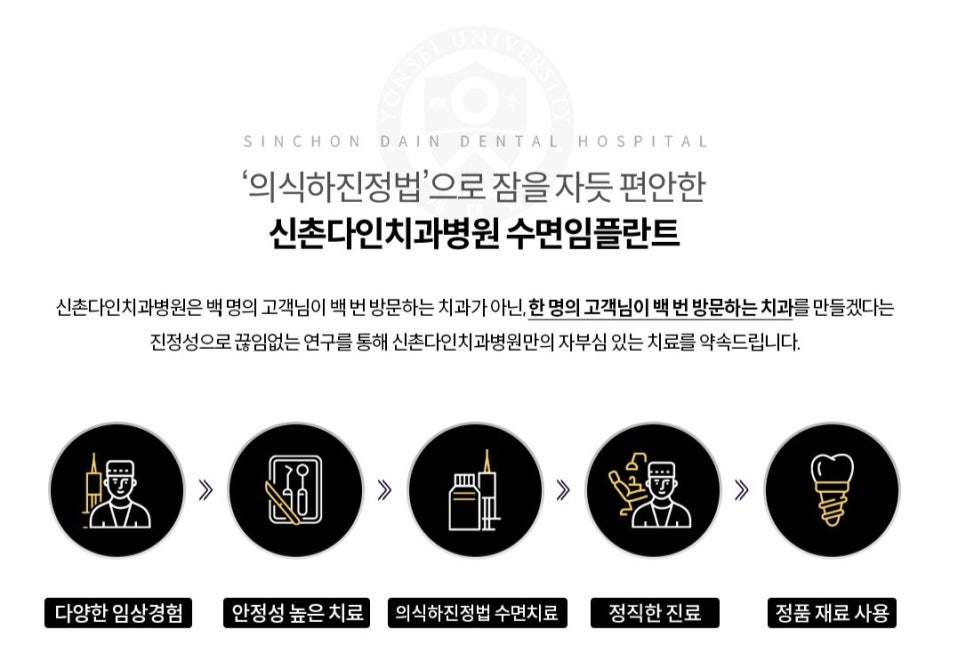
If you have negative feelings about dental treatment or if a long procedure time feels burdensome, you could consider conscious sedation sleep implant treatment.
Sleep treatment performed under conscious sedation is a method in which the patient is guided into a semi-sleep state similar to sleeping before the procedure is carried out.
Because it is not a completely asleep state and some level of consciousness remains, the patient can respond to simple communication and instructions from the medical staff.
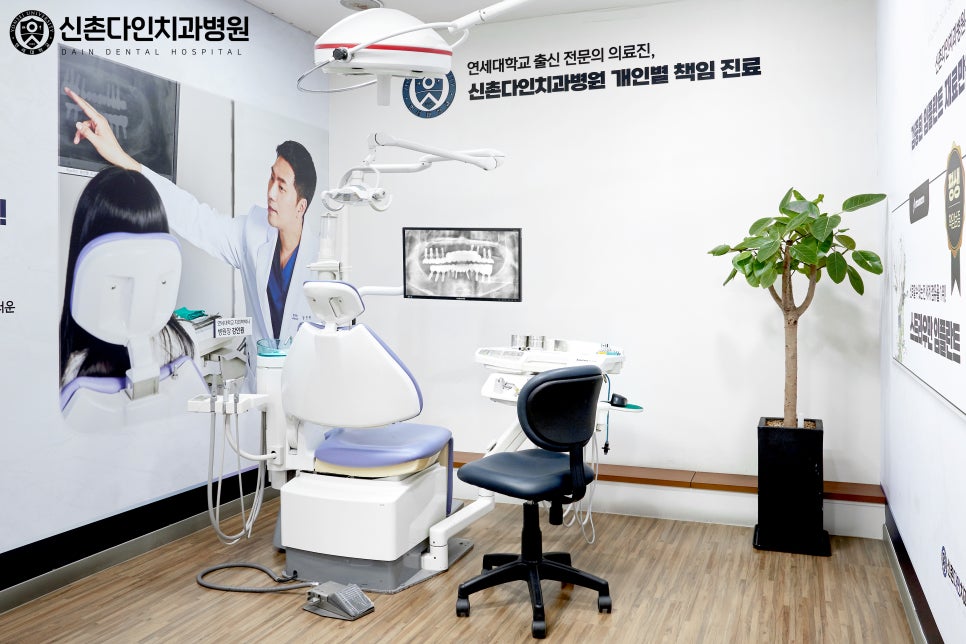
After conscious sedation sleep treatment is completed, most memories of the process are not retained, which can help overcome negative feelings about dental care.
Yangpyeong Station Dental Clinic had patient monitoring equipment in place that could track the patient's semi-sleep state, blood pressure, pulse, and more in real time.
If you still felt sleepy or dazed after treatment, you were helped to rest comfortably in a separate recovery room before going home.