Blood donation: medications, menstruation,
blood pressure conditions, and sleep duration
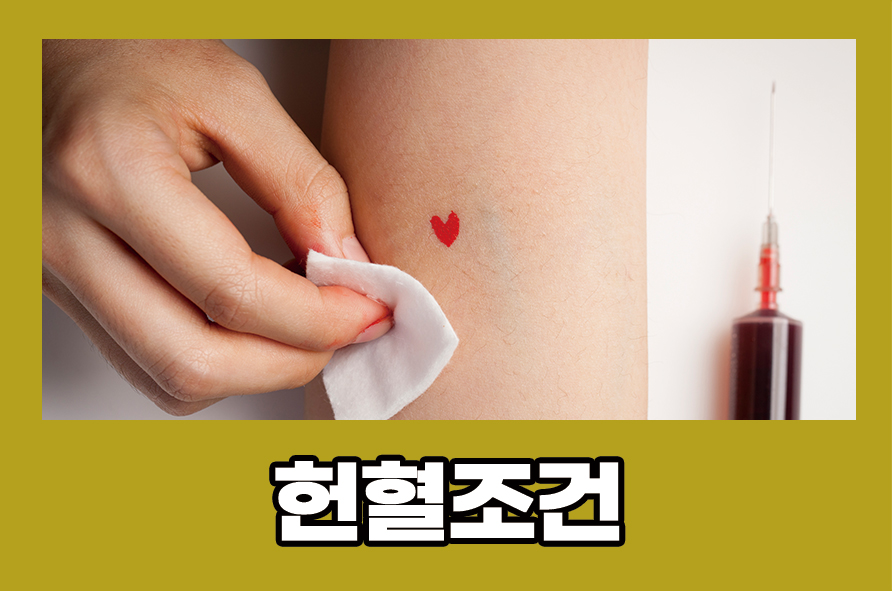
Blood donation is a valuable act of sharing that can save another person’s life. It involves a healthy person donating a certain amount of blood for medical use.
There are also various research findings reporting that it can be beneficial to health, but not just anyone can donate blood; you must meet the blood donation eligibility requirements.
Today, we will take a detailed look at the eligible blood donation conditions and whether taking medication, being on your period, or blood pressure levels also affect eligibility.

There are whole blood donation and component donation types.
Whole blood donation means collecting all components of the blood, and there are two types: 320cc and 400cc.
Whole blood donation is available from age 16 through age 69, and men must weigh at least 50 kg and women at least 45 kg.
Component donation is a method in which only the needed component is collected and the rest is returned. For platelets, the limit is up to age 59, and for the others, up to age 69.
Blood donation eligibility is determined through a pre-screening questionnaire and a simple health check, because it is a standard designed to ensure both safety and the health of the recipient.
If you are currently taking medication, depending on the type, you may be eligible or may need to postpone donation for a certain period, so it is essential to confirm clearly.
If you are taking common cold medicine or pain relievers, donation is often possible after 3 to 7 days have passed since taking the medication.

However, medications such as antibiotics, antidepressants, blood pressure medication, and anticoagulants may not meet blood donation eligibility requirements, and confirmation from the relevant medical staff is necessary.
Donation is possible during menstruation, but depending on your physical condition, it may not be recommended, and if you are feeling very fatigued, it is better to postpone it.
Because blood loss occurs during menstruation, donating blood on top of that can worsen anemia symptoms or cause dizziness.

Therefore, it is advisable to do it 1 to 2 days after your period ends. During this time, iron intake and 충분한 sleep should also be considered.
If blood pressure is too low or too high, donation may also be restricted, and systolic blood pressure must be within the range of 90 to 180 mmHg, while diastolic blood pressure must be within 50 to 100 mmHg.
If you fall outside this standard, you cannot donate, and if you are taking blood pressure medication, you must be sure to note it during the questionnaire, as eligibility varies depending on the type of medication.
Getting enough sleep the night before donating blood is important. If you do not get enough sleep, blood circulation may decrease, and side effects such as dizziness may occur.
It is also advisable to avoid going on an empty stomach and to maintain your condition by drinking water and eating light food before visiting.
If you have recently traveled abroad or visited areas where infectious diseases are prevalent, donation may be restricted for a certain period.
After blood collection, rest for about 10 to 15 minutes, hydrate, and avoid strenuous exercise and saunas.