
Seongsan-dong Dental Clinic implant placement
If you are avoiding a dental visit

For a happy later life, many people try to maintain their health for as long as possible, but as human beings, each bodily function naturally declines with aging.
In addition to overall health, teeth, which are one of the stronger parts of the body, also need steady care, and as people get older, permanent tooth health gradually declines as well.
Because teeth cannot recover on their own once they are lost, careful care is needed to keep this strong part intact for a long time.
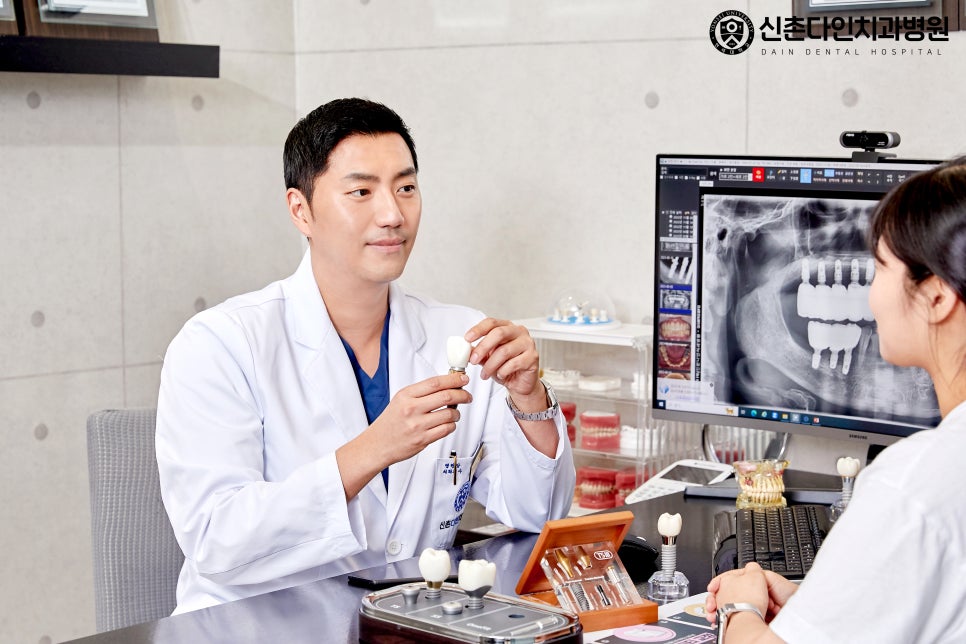
However, due to unexpected car accidents, trauma, and other causes, tooth loss that people thought would only occur in middle-aged and older adults can also happen at a young age.
If permanent teeth are lost for various reasons, quick recovery through implants, which can replace the function of the original teeth, may be helpful.
If a vacant space where a tooth is missing is left untreated for a long period, the alveolar bone in that area may gradually be resorbed, which can make future treatment more complicated.
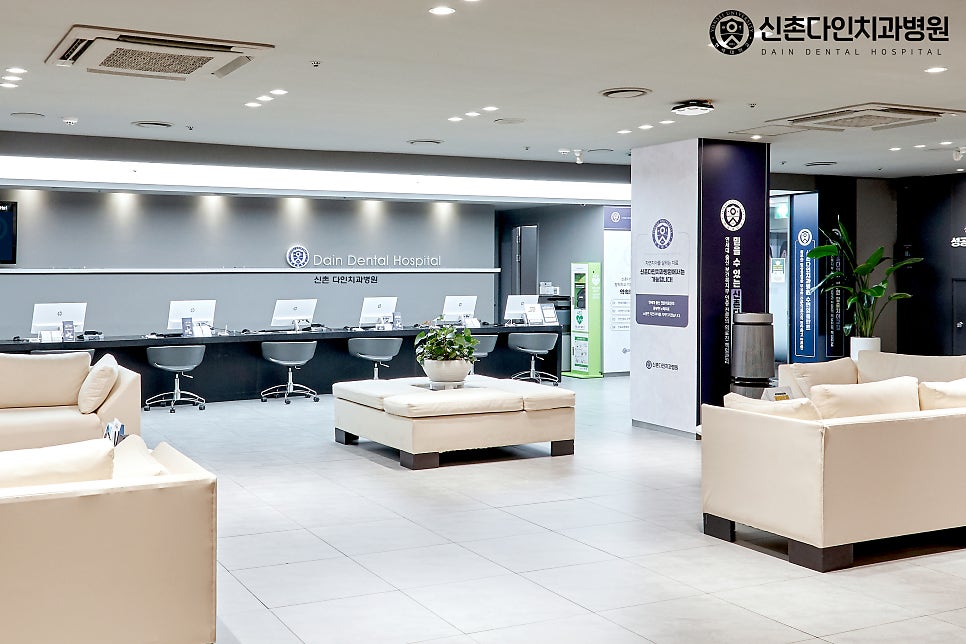
A state with missing teeth requires caution because it causes not only difficulty chewing food, but also problems such as movement of neighboring teeth and unclear pronunciation.
Recently, among the various treatment methods, implant placement has been considered one of the representative options, and many people prefer it because of its functions similar to permanent teeth.
The clinic in Seongsan-dong explained that an implant is a method in which an artificial tooth is placed on the jawbone where the original tooth was lost and then firmly fixed in place.
Because it is placed directly on the alveolar bone, it can restore the ability to chew food properly, and it has a shape and color similar to adjacent teeth.
However, since it is considered a high-difficulty procedure compared with other dental treatments, it is important to look into it comprehensively if you are considering implant placement.
For excellent osseointegration, there must be enough alveolar bone at the site where the artificial tooth will be placed, but if there is not enough, bone grafting can be done first.
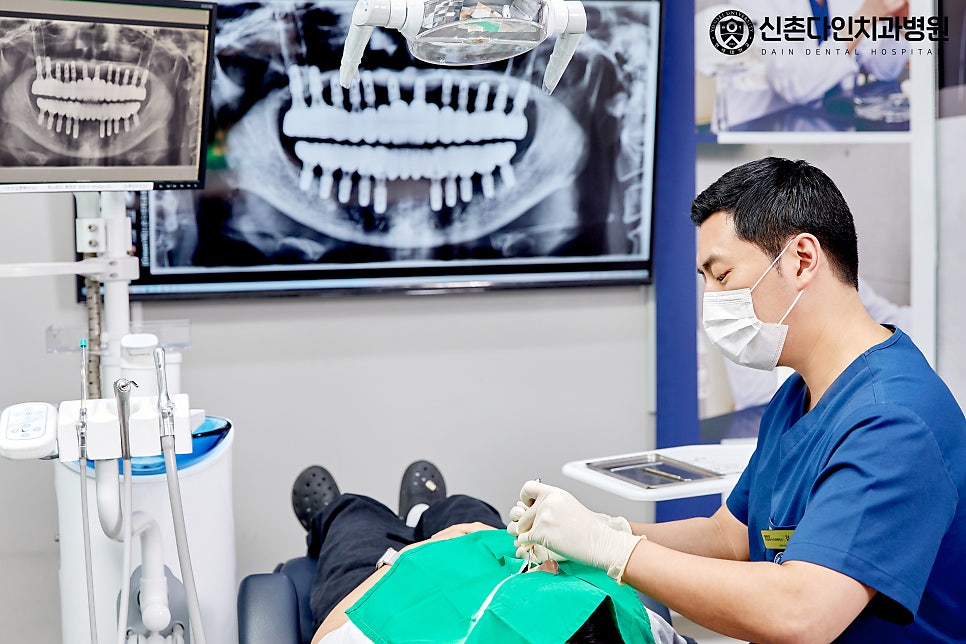
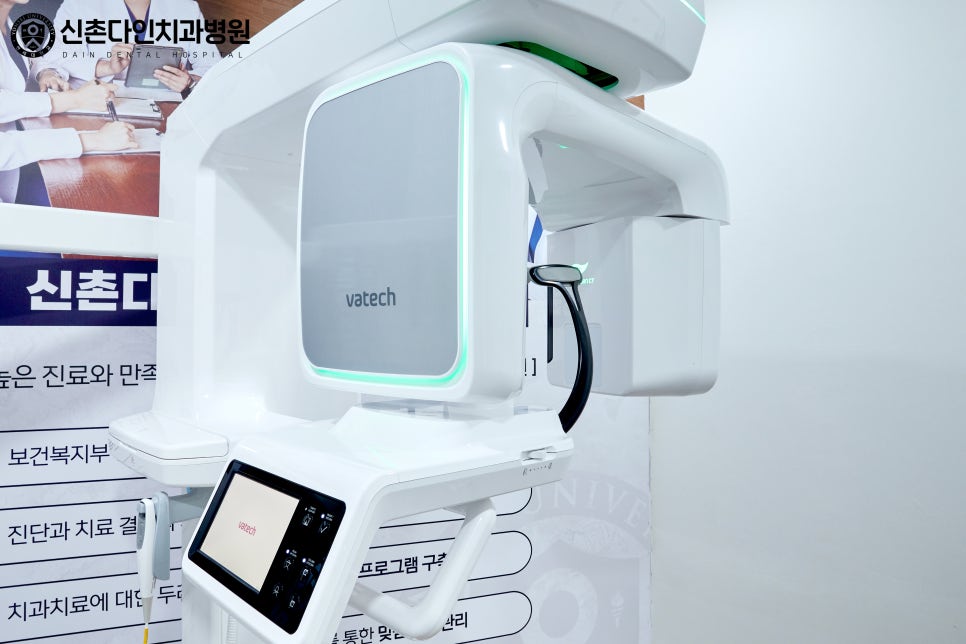
At the dental clinic near Seongsan-dong, the internal oral structure was being closely examined before the procedure using the 3D-CT equipment on site.
Because the patient’s current amount of jawbone, nerve position, and implant site are identified in three dimensions before proceeding, treatment time can be shortened and aftereffects reduced.
It is also recommended to visit a clinic where medical staff with extensive clinical experience are on site and can establish a precise plan for successful implant placement.
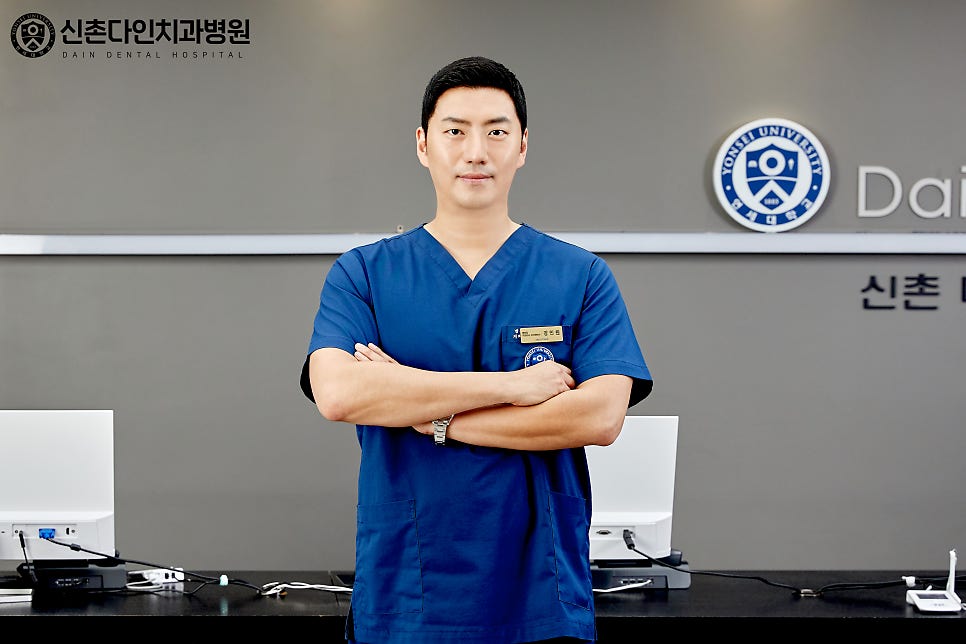
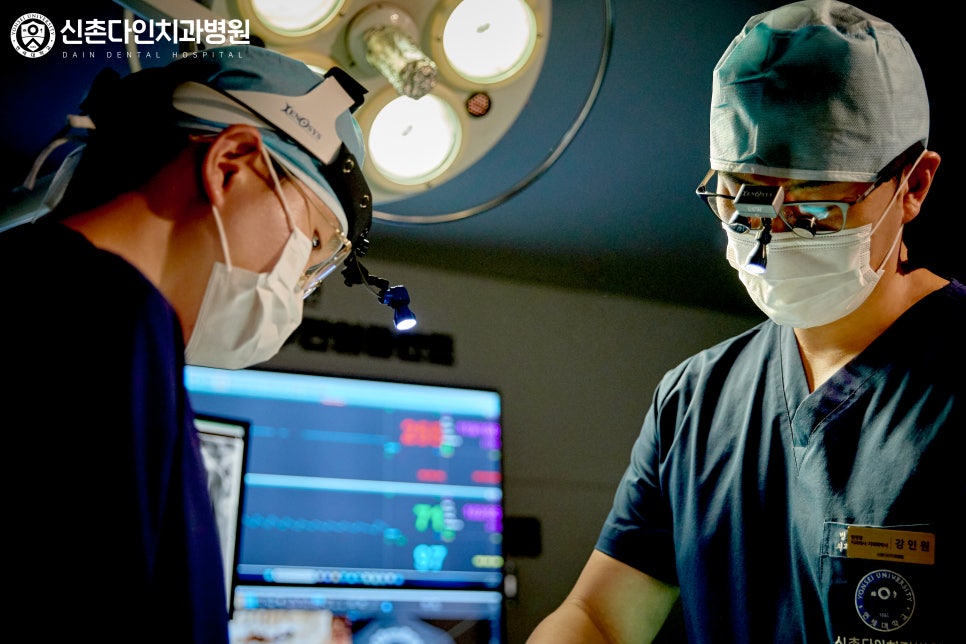
At Seongsan-dong Dental Clinic, the treatment and follow-up care were being personally handled by a doctor of dental medicine from Yonsei University who has extensive clinical experience.
To provide excellent results, before treatment they assessed not only the patient’s oral condition but also age and the presence of systemic diseases, then established an appropriate treatment plan.
As for the implant materials used, only genuine domestic and imported materials that have been clinically proven were used to reduce concerns about future side effects.
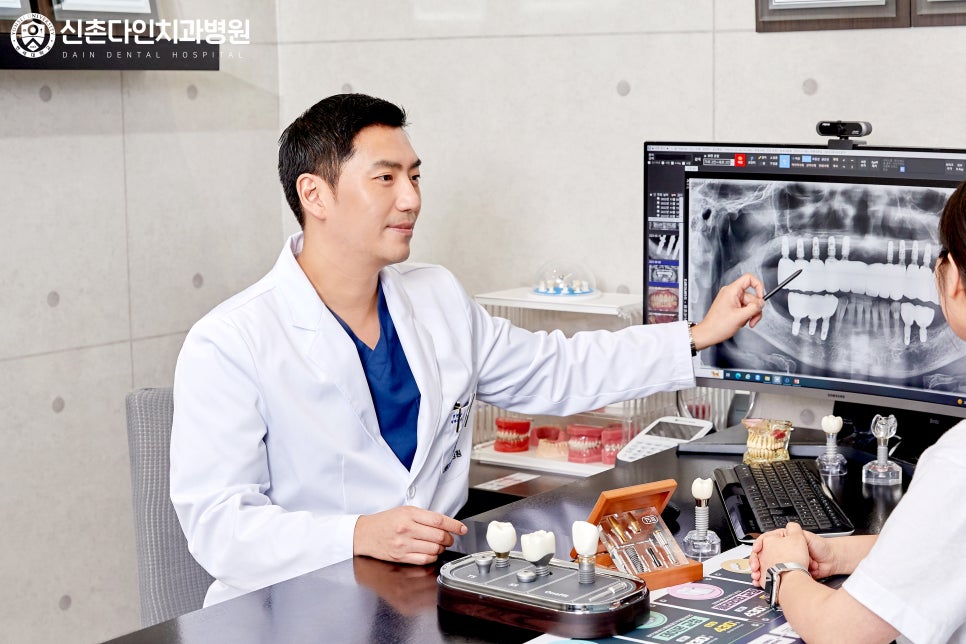
Even so, unlike permanent teeth, artificial teeth do not have nerves, so even if inflammation occurs around the prosthesis, it can be difficult for the patient to spontaneously detect pain.
Inflammation that is unintentionally left untreated can continuously resorb the alveolar bone and eventually lead to the prosthesis falling out, so careful ongoing management is necessary.
At Seongsan-dong Dental Clinic, a warranty certificate was issued after the procedure to provide regular, personalized follow-up care for each patient, allowing for a long-lasting prosthesis with a high level of satisfaction.
Nevertheless, due to negative memories of dental clinics formed in childhood, there are often cases where people avoid even visiting the clinic despite needing treatment.
If you are avoiding a dental visit because of the unique smell of the clinic, the sound of the equipment, pain, and so on, you may want to consider a sleep implant procedure using conscious sedation.
Conscious sedation allows the patient to breathe on their own without wearing a separate breathing device, and they can communicate briefly with the medical staff.
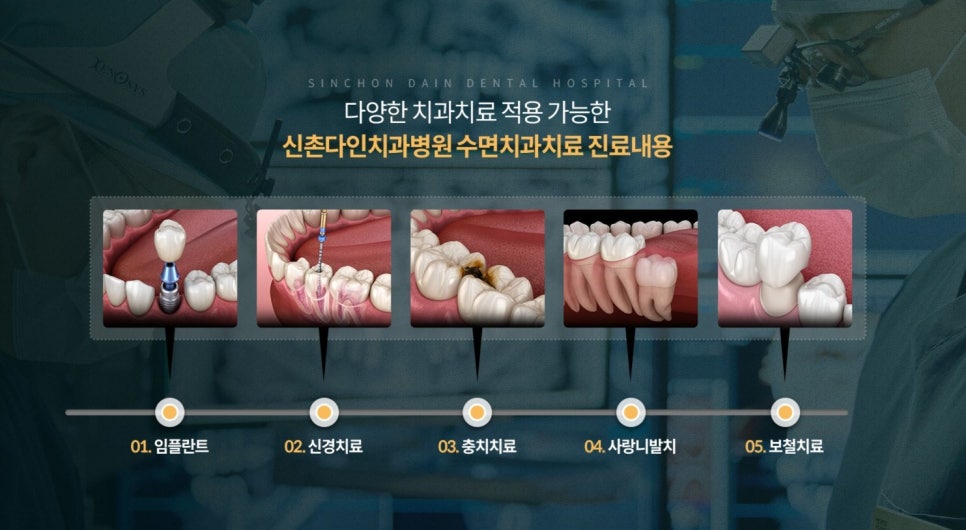
Because the procedure is carried out in a comfortable, light sleep-like state similar to ordinary sleep, the physical and psychological burden of sensations such as pain and bleeding can be reduced.
Even so, due to the memory-erasing effect, after treatment ends, patients do not remember the process, which can help them overcome dental trauma.
At Seongsan-dong Dental Clinic, patient monitoring equipment was used to check the patient’s light sleep state, pulse, blood pressure, and overall condition in real time.
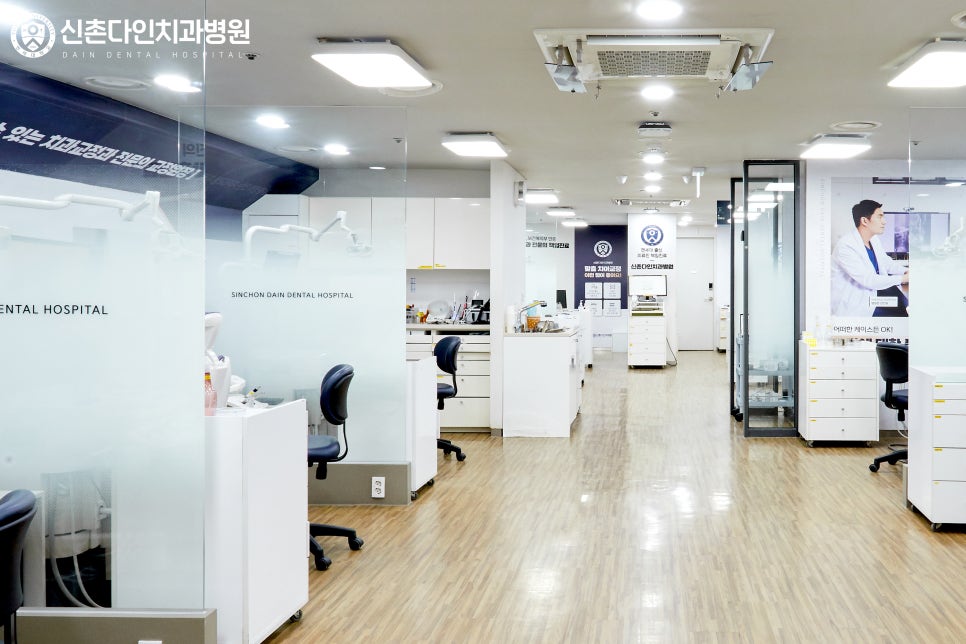
By injecting an appropriate amount of medication based on the patient’s overall condition as monitored in real time, situations such as falling into too deep a sleep can be prevented.
In addition to implant placement, it can also be applied to other dental procedures such as the extraction of multiple wisdom teeth, helping shorten procedure time and reduce the number of visits.
After conscious sedation sleep treatment is completed, patients may still feel groggy due to the effects of the medication, so they are helped to go home after resting comfortably in the built-in recovery room.