Pumpkin Leaf Benefits, Steaming Method,
Time, Side Effects, and Storage Tips

For those who pay special attention to meal planning in order to maintain long-term health, there is a traditional vegetable I would definitely like to recommend.
Pumpkin leaves are a traditional vegetable that has long been eaten as a side dish, and because they contain a wide range of nutrients in a balanced way, they are considered a food that can support digestion and gut health.
Today, we will take a detailed look at the various benefits of pumpkin leaves, their side effects, how to steam them, steaming time, how to eat them, and precautions.
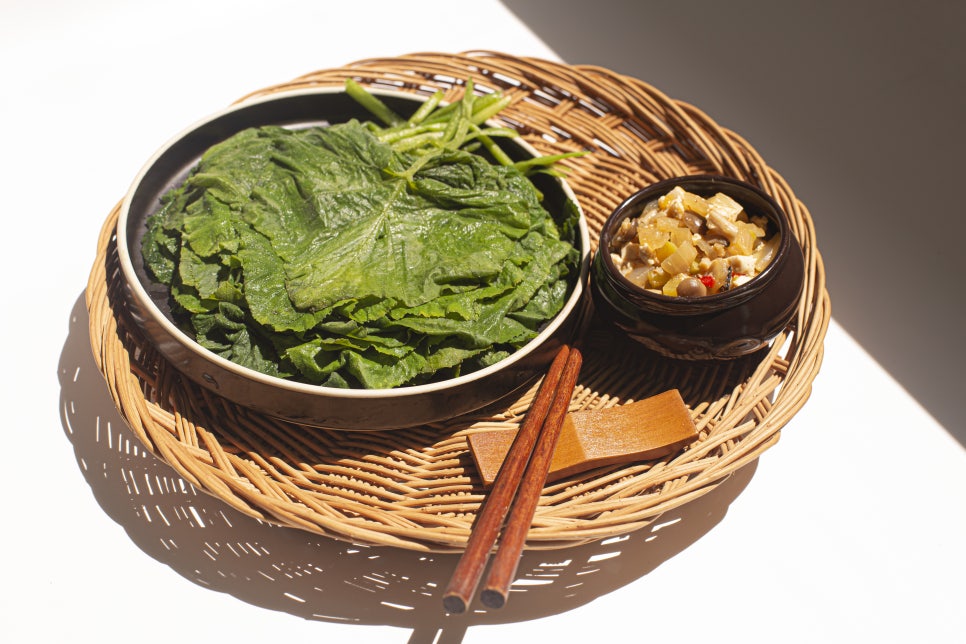
Pumpkin leaves fall into the category of low-glycemic-index foods that raise blood sugar slowly, so people with diabetes can eat them without much burden.
In addition, the lutein and beta-carotene contained in them are beneficial ingredients that help maintain eye health and protect vision.
Vitamin C and E also have antioxidant effects, offering benefits such as improved immunity and prevention of skin aging, and pumpkin leaves are also good for dieting.
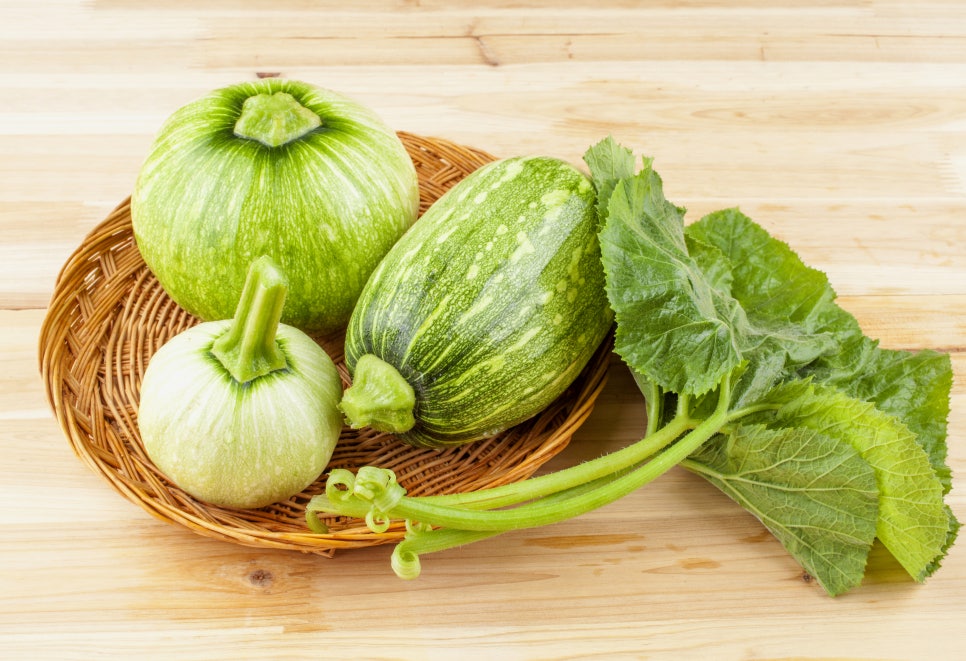
A representative benefit of pumpkin leaves is improved intestinal function. Because they contain a large amount of dietary fiber, they help clean out waste in the intestines and prevent constipation.
They are also rich in minerals such as calcium, iron, and magnesium, so they are good for middle-aged adults and women for whom bone and dental health are important, if they consume them consistently.
In addition, since they are relatively low in calories, they can help people aiming to lose weight feel full and reduce overeating.
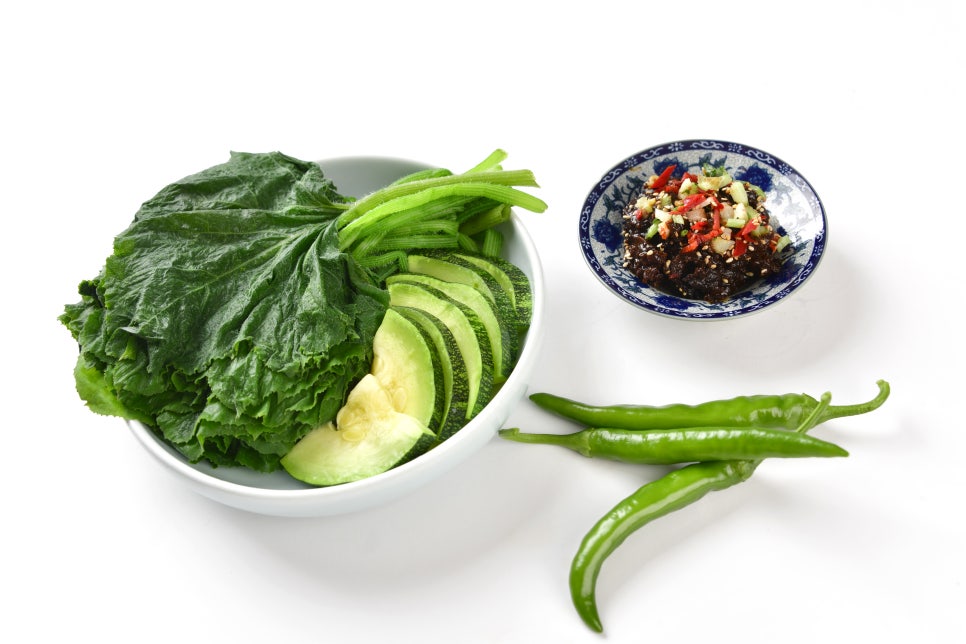
Nevertheless, if eaten in excessive amounts, the large amount of dietary fiber may lead to digestive discomfort such as diarrhea and abdominal bloating.
If you usually have a weak stomach or have irritable bowel syndrome, it is safer to eat them with caution and in appropriate amounts.
In rare cases, the fine hairs on pumpkin leaves or pesticide residue may cause skin allergies or inflammation in the mouth, so they should be washed thoroughly.
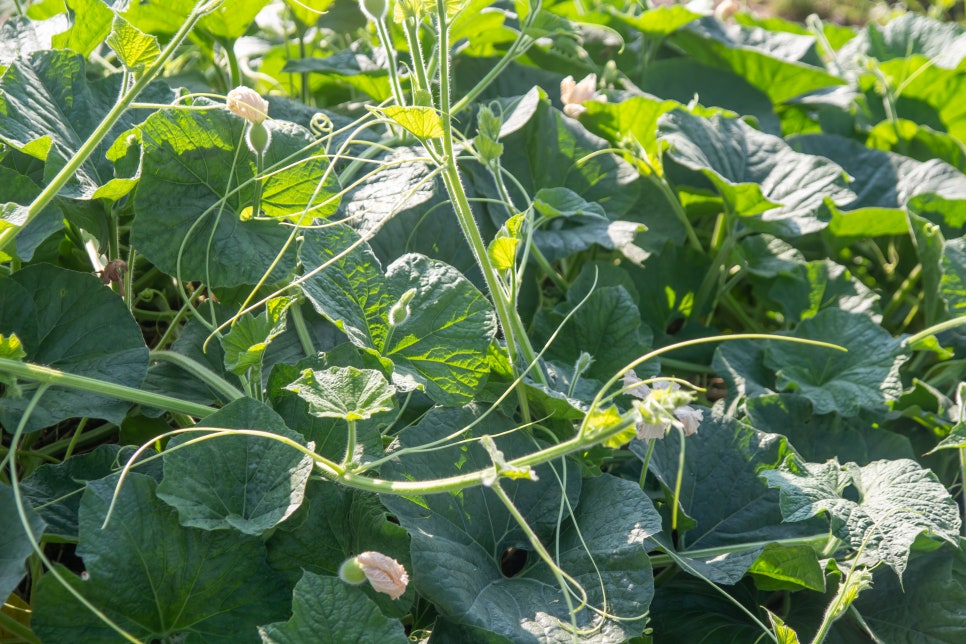
They are usually eaten steamed as a wrap, or consumed in various ways such as in soybean paste soup or steamed dishes, and many people prefer them for their mild taste and soft texture.
The most common way to eat them is to steam them and enjoy them as a wrap. Wrapping them with rice, soybean paste, meat, and so on creates a deep flavor and a soft texture, making them easy to enjoy.
They can also be added to soybean paste soup and boiled, or lightly stir-fried with perilla oil to make a seasoned vegetable side dish for a different kind of healthy meal.
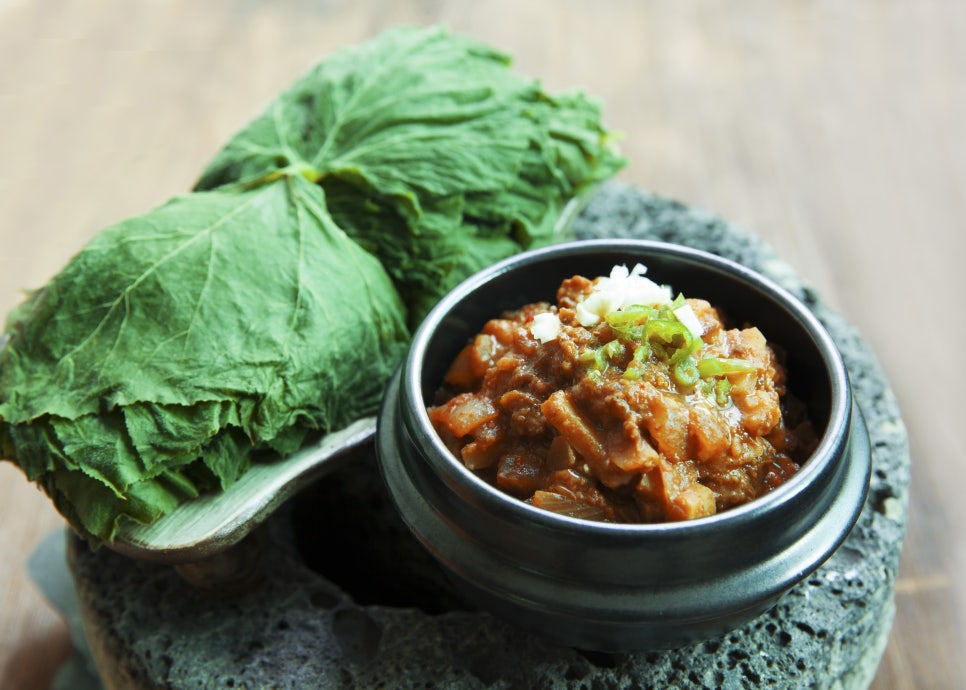
The steaming method is simple, but because it is important to preserve texture and nutrients, steaming them using the proper method can help maintain their unique flavor for longer.
It is best to place them in a steamer with steam rising and steam them for about 3 to 5 minutes. If they are steamed for too long, the nutrients they contain may be lost, or they may become tough, so steaming them for a short time is recommended.
When storing them, wrap them carefully in newspaper or paper towels so that moisture does not build up, and it is ideal to eat them quickly within 2 to 3 days.