Gombobaechu benefits,
peak season, cultivation time, and side effects
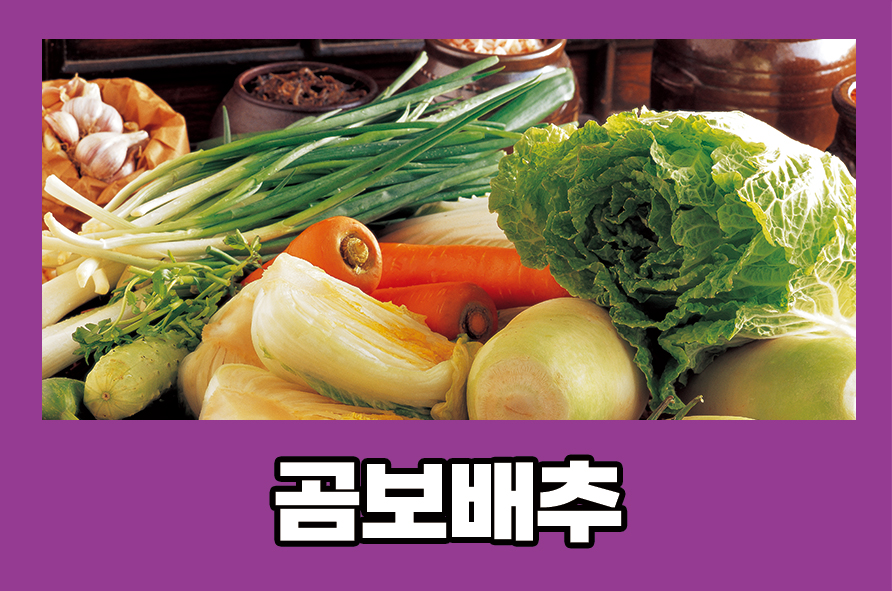
Gombobaechu is commonly seen in fields or near farmland,
and it is known by various names such as 털머위 and wild cabbage,
and it also has the nickname “ugly cabbage.”
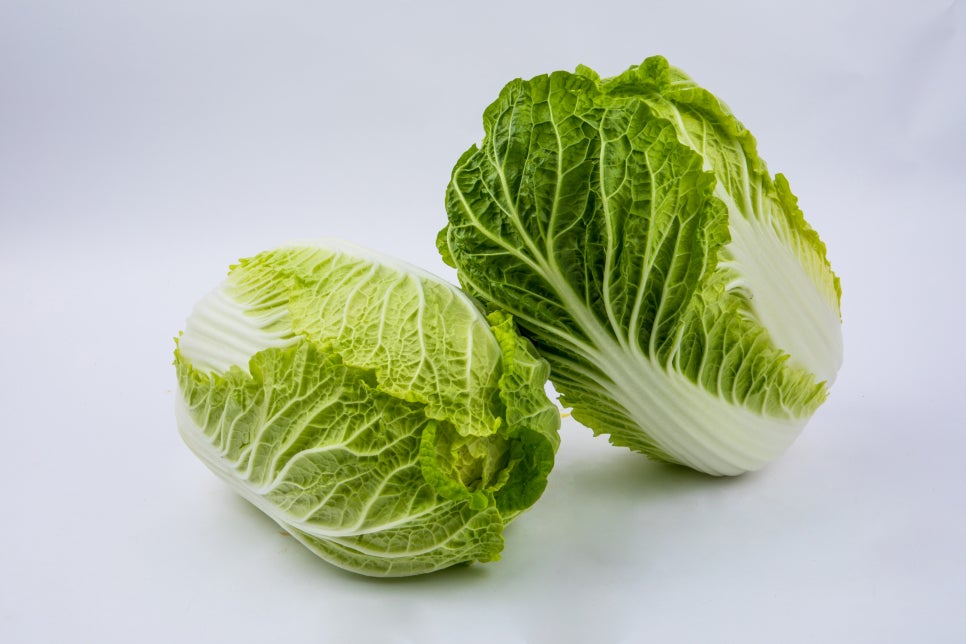
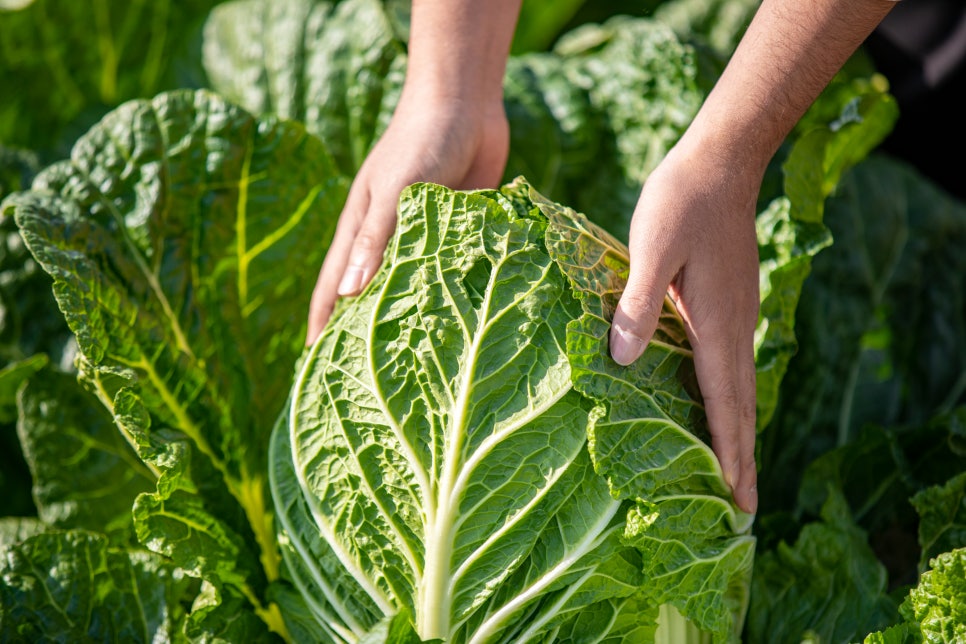
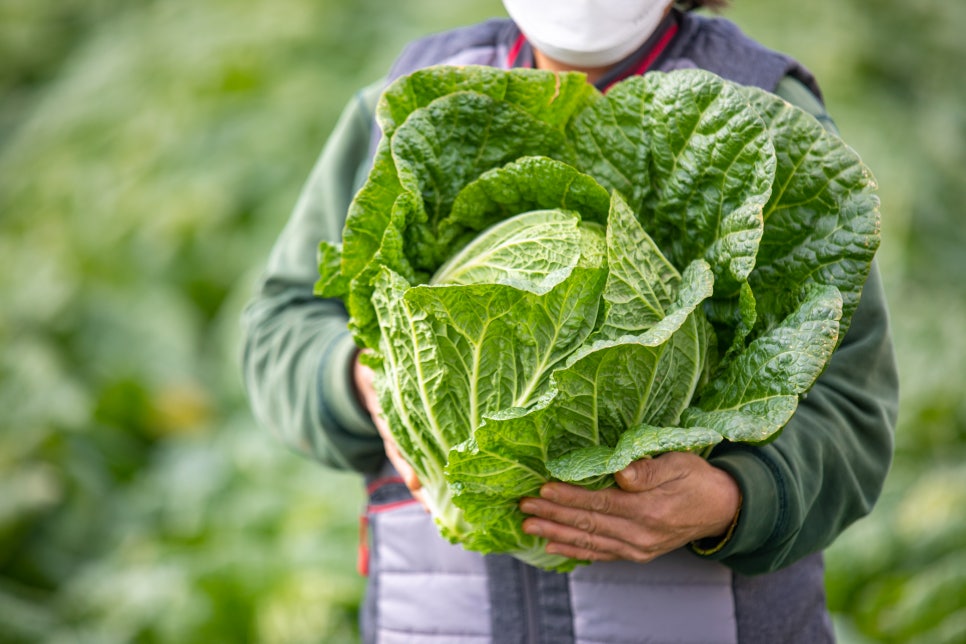
Although its leaves are similar to cabbage, the bumpy
surface of the leaves gives it the name “gombo,” but
it is known for its excellent benefits.
Today, we will take a detailed look at the benefits of
Gombobaechu, how to eat it, seedlings, cultivation methods,
side effects, and precautions.
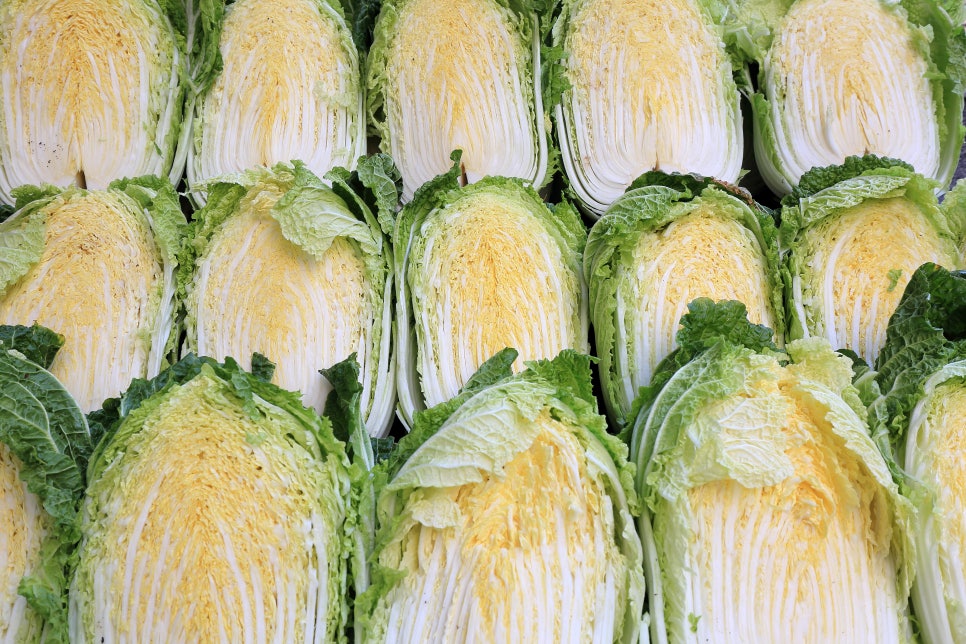
Traditionally, people have boiled and drunk this cabbage
to relieve coughs, phlegm, and bronchial conditions, but
recently it has also been used as a health food ingredient
and as an herbal tea.
Its peak season is from autumn to spring, and if consumed
during that time, you can enjoy fresh leaves and roots, and
it is said to be able to survive even the cold winter as
long as it is given water.
One of the main benefits of Gombobaechu is that it helps
support bronchial health, and because it has anti-inflammatory
effects, it is good for preventing respiratory conditions
such as coughs, phlegm, and sore throat.
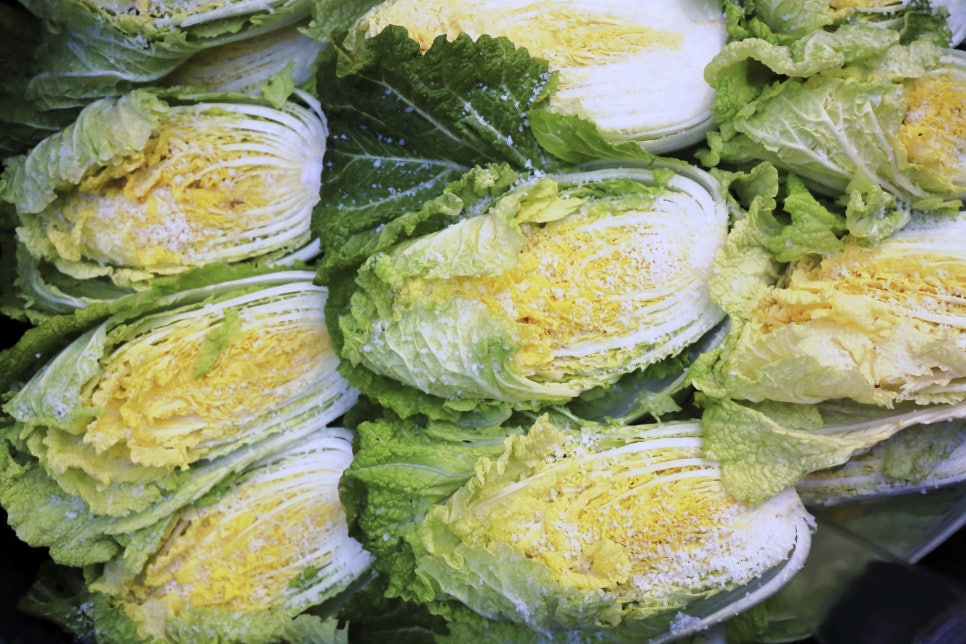
It is especially helpful in relieving symptoms of allergic
rhinitis and asthma, and it contains large amounts of
antioxidants such as flavonoids and beta-carotene.
Because of this, it can help prevent cell damage and boost
immunity, so it has long been used in folk remedies for
liver detoxification and anti-inflammatory purposes.
It also contains a large amount of vitamin C, so it is good
for preventing colds, and it also contains many unsaturated
fatty acids that help break down fat.
It can be grown directly from seedlings or seeds, and it
grows well in sunny fields or home gardens, so even
beginners can cultivate it relatively easily.
If you properly maintain well-drained soil and moderate
humidity, you can grow it with less worry about pests and
diseases, making it easy to raise at home as well.
The most common way to use it is to boil it and drink it
like tea, and it can also be eaten raw as a seasoned side
dish or used deliciously in soybean paste soup or batter
recipes.
After blanching the cabbage, mix it with sesame oil, soy
sauce, garlic, and more to make a tasty seasoned vegetable
side dish. Blanching also reduces its characteristic fishy
smell.
Compared with ordinary cabbage, it has a strong flavor,
with a mix of slight bitterness and spiciness, giving it a
unique taste that can be hard to forget once you try it.
In addition, drinking it as a boiled tea helps relieve asthma,
and recently it has become more common to boil it whole,
including the roots, and use the water to make and drink
makgeolli.
It is generally classified as a herb with a high level of
safety, but depending on your constitution, side effects
such as indigestion, diarrhea, and abdominal pain may occur,
so caution is needed.
When using it as a folk remedy, problems can arise if you
do not follow a clear dosage, so it is best to avoid
consuming large amounts over a long period of time as much
as possible.
If you gather and eat it from the wild, be sure to check
the surrounding environment for pollution, and eating plants
that have been exposed to contamination or heavy metals can
be harmful to your health.