Symptoms of Heat Rash in Adults and Babies
Symptoms, Hives, Treatment
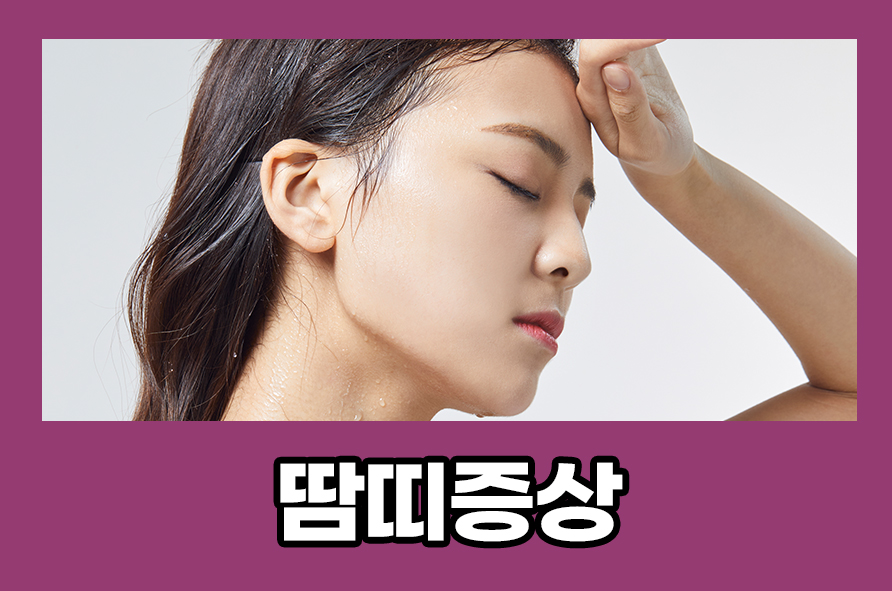
During the hot summer season, or when staying for a long time in an environment with poor ventilation,
sweating increases and heat rash symptoms may appear.
It is a common skin condition that can appear in anyone regardless of age or gender, and it is a symptom
caused by an inflammatory response in the skin.
Today, we will take a detailed look at the causes of heat rash symptoms in adults and babies, hives,
diagnosis methods, treatment methods, and prevention methods.
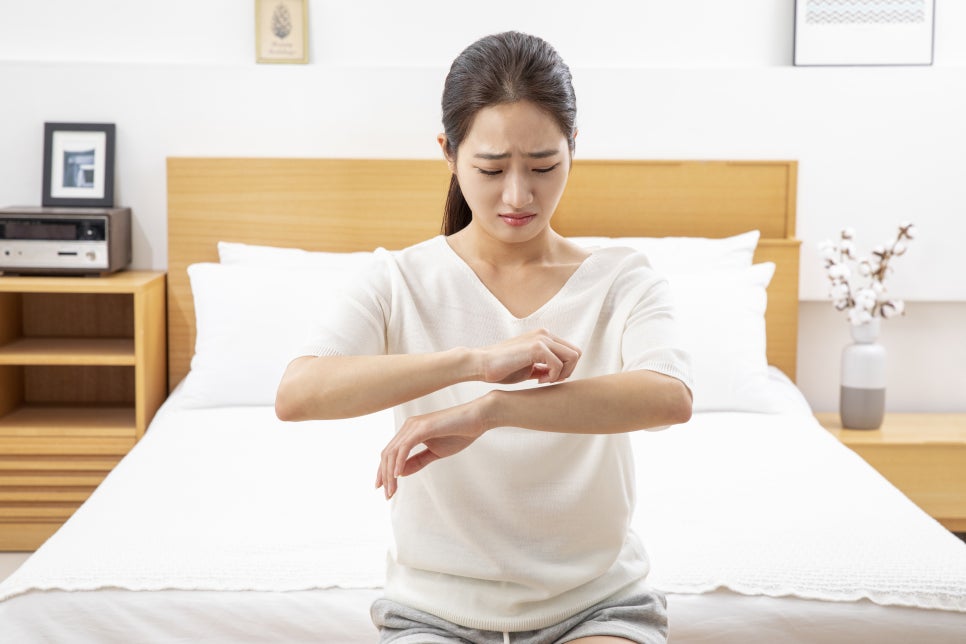
It also appears frequently in babies whose skin is delicate and whose immune systems are not yet fully developed,
and it can be triggered by hot, humid environments or leaving sweat on the skin for long periods of time.
The cause of heat rash symptoms comes from sweat glands becoming overactive, or from pores becoming blocked
because sweat builds up and is not released.
In babies, body temperature regulation is immature and there are many skin folds, so sweat can easily accumulate.
In adults, it can be caused by excessive exercise, obesity, or wearing tight clothing.
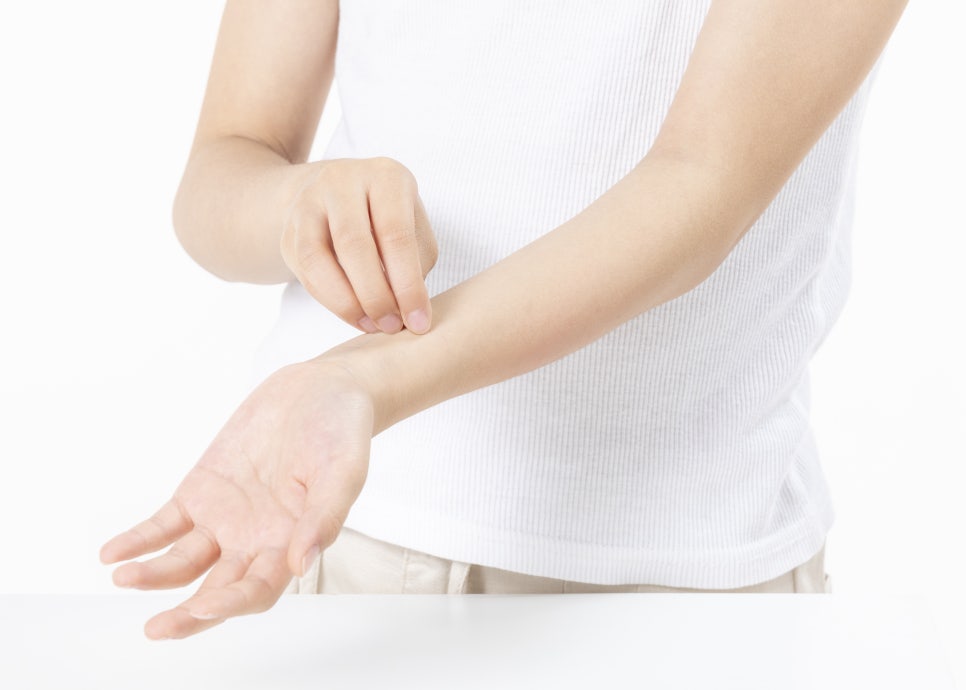
Heat rash commonly appears as red spots, blisters, or papules that look like small pimples,
and it is often accompanied by intense itching or stinging.
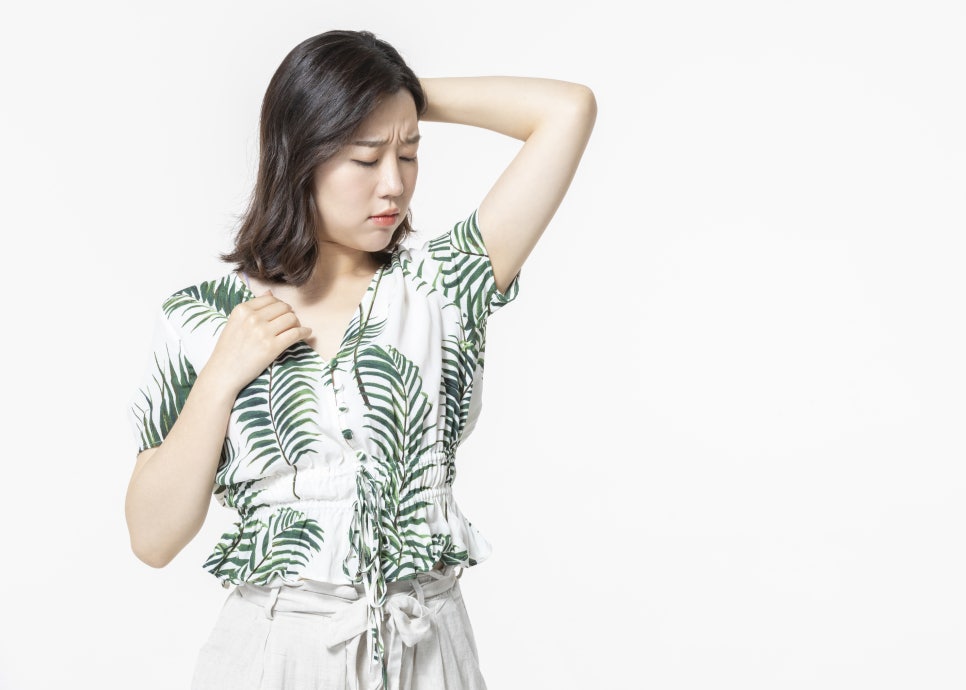
It usually occurs in areas where sweat tends to build up, such as the back, neck, armpits, chest, and groin,
and in some cases it is often mistaken for hives because the symptoms are similar.
Hives are an allergic reaction that suddenly swells up and causes strong itching, but heat rash is mainly
characterized by red rashes and papules.
Diagnosis is usually made through visual observation by a relevant medical professional, and even without any
special tests, the clinical appearance alone is often enough for diagnosis.
If the symptoms are severe, or if differentiation from other skin diseases is needed, a biopsy of the skin surface
or testing to check for fungal infection may be performed.
In particular, if the condition is chronic and recurring, or if it appears together with other symptoms, a
differential diagnosis from eczema, allergies, contact dermatitis, and similar conditions is necessary.
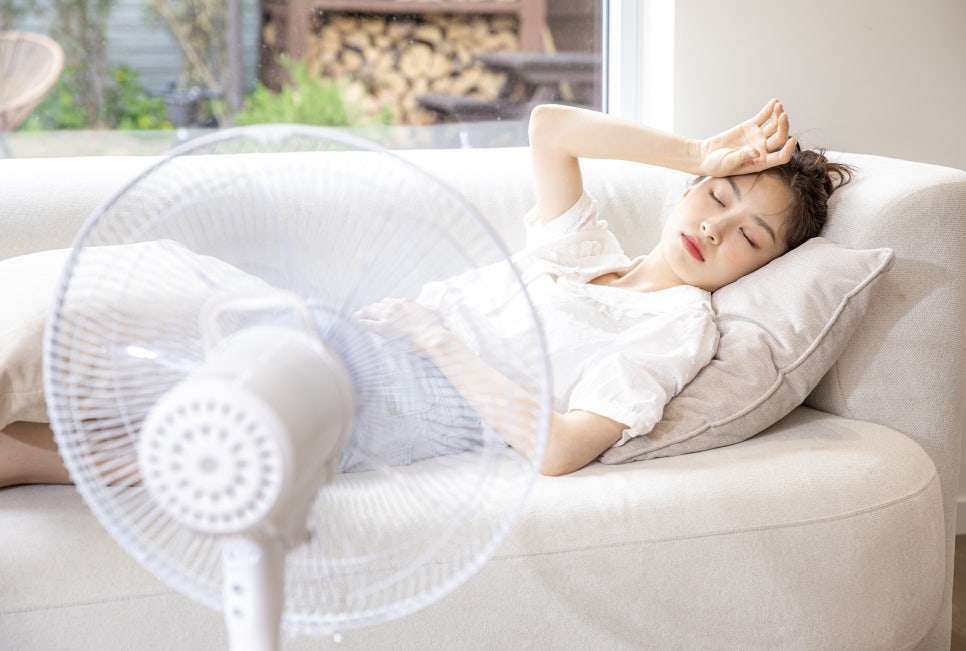
To recover quickly, the most basic treatment method is to keep the skin cool and dry at all times.
It is important to keep the affected area clean, wear clothes that allow good ventilation, and wash quickly after sweating.
If necessary, antihistamines, soothing ointments, or lotions can be used to relieve itching and inflammation,
and if a bacterial infection is present, an antibiotic ointment should be used.
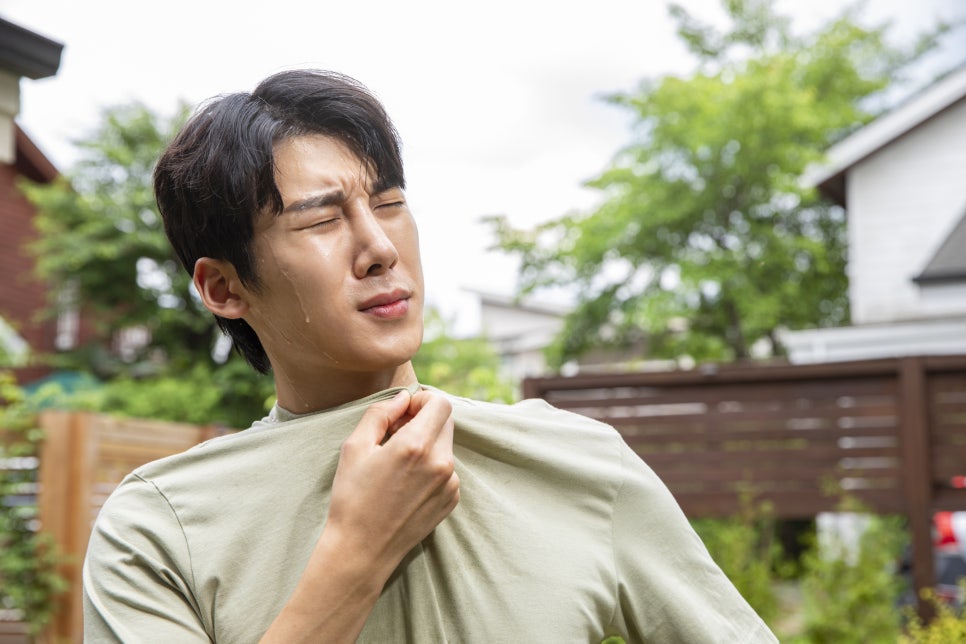
The best way to prevent and manage this condition is to avoid environments where sweating is likely.
After going out or exercising, be sure to shower and wipe away sweat thoroughly.
It is better to wear breathable cotton clothing and avoid tight clothing or synthetic fabrics, and for babies,
frequent checks of areas where lesions can easily develop and frequent diaper changes are necessary.
Using air conditioning or a fan can also help, but be careful, as excessive cooling can lead to colds or air-conditioning sickness.