Purpura in Children and the Elderly
Symptoms, Causes, Treatment, and Preventive Foods?

Purpura is a condition in which small red or purple
spots appear on the skin or mucous membranes, caused by
damage to capillaries and leakage beneath the skin.
It usually develops on the arms, legs, or buttocks, and
unlike bruises, it does not change color when pressed.
It occurs frequently in older adults and young children.
Today, we will take a detailed look at the basic information
about purpura, its causes, typical symptoms,
diagnostic methods, treatment options, and foods that may help.
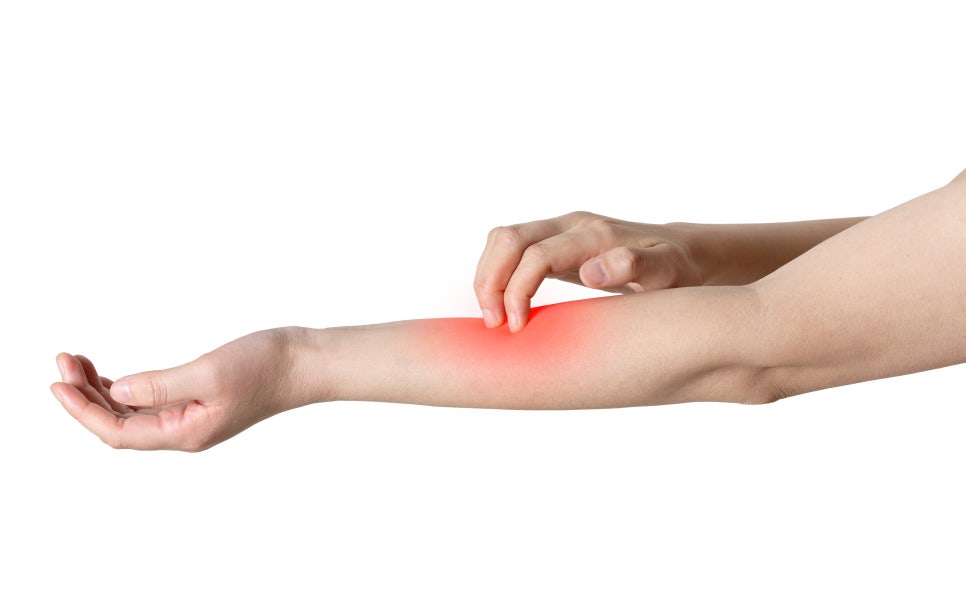
Although it may be temporary, depending on the cause it can
also become chronic, so identifying the cause quickly and
going for treatment is important.
In general, causes include thrombocytopenia, blood clotting
disorders, autoimmune diseases, vasculitis, and liver disease,
and it may appear as a side effect after taking certain medications.
It can also be caused by infections, excessive exercise, or
trauma, but if platelet levels decrease or the blood vessel
walls become weak for a prolonged period, bleeding can easily occur.
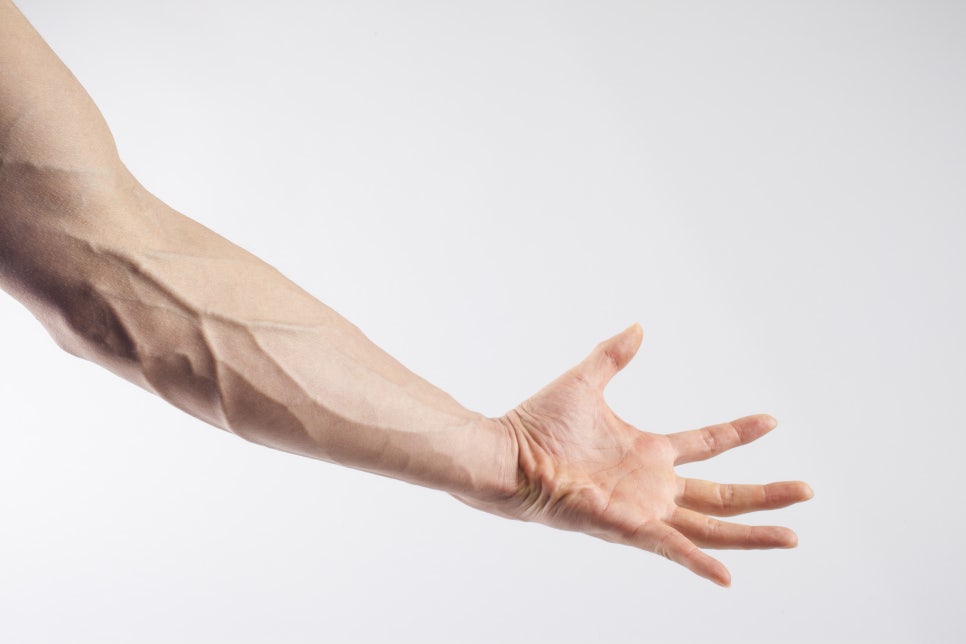
The main symptom of purpura is the appearance of red or purple
spots on the skin. They may be small or spread widely,
and their color does not change when pressed.
Fever, joint pain, abdominal pain, swelling, and blood in the urine
(hematuria) may appear as accompanying symptoms, and if it is
allergic purpura, pain and swelling are severe.
If left untreated for a long time, intestinal bleeding or damage
to organs such as the kidneys may occur, which can lead to serious
complications, so caution is needed.
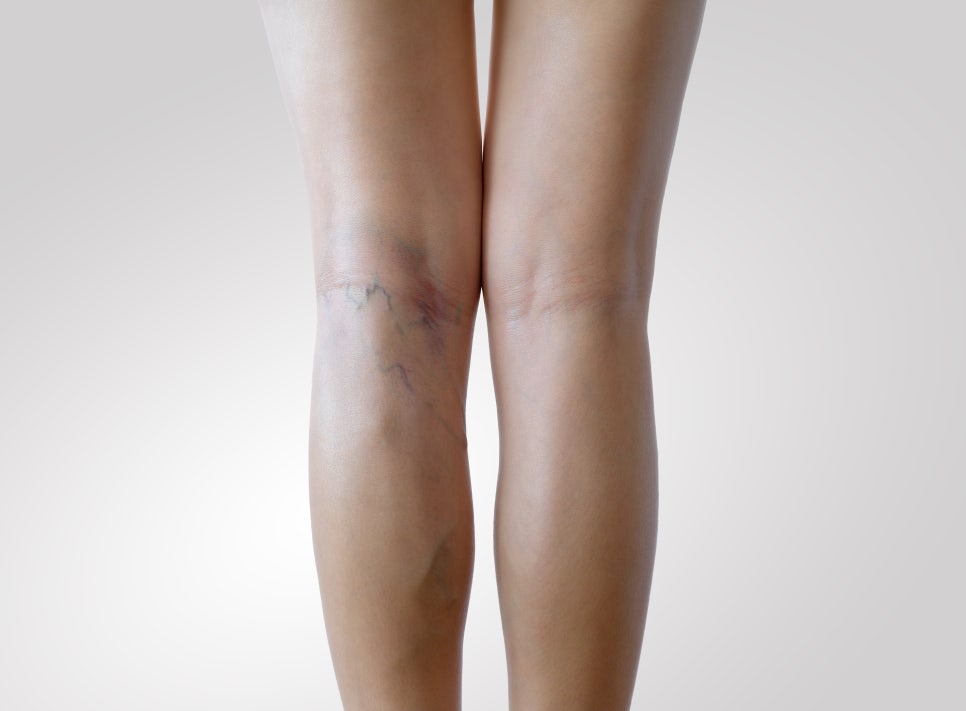
Therefore, if related symptoms appear, are severe, or are
accompanied by systemic symptoms, it may be helpful to quickly
seek evaluation at a relevant medical facility.
Along with symptom observation, blood tests are used to check
platelet levels and blood clotting function, and a skin biopsy is
performed to determine whether blood vessels have been damaged.
If the condition is caused simply by trauma, it improves with rest
and compresses, but if the cause is an immune disease or a blood
disorder, steroids or immunosuppressants are used.
Foods that are good for this condition include those rich in
antioxidants and foods that support blood vessel health, and
regularly consuming them may be helpful.
Representative choices include vegetables and fruits such as
blueberries, tomatoes, broccoli, and spinach, and fish and nuts
high in omega-3 are also beneficial for improving circulation.
However, processed foods, high-salt foods, and foods high in
saturated fat can instead harm blood vessel health, so it is best
to avoid them as much as possible, and drinking plenty of water
also helps recovery.
Above all, it is good to practice lifestyle habits that protect
blood vessel health and strengthen immunity. A balanced diet,
exercise, sufficient sleep, and stress management are basic.
Try to avoid trauma or actions that put pressure on the skin as
much as possible, be careful not to stay in the same position for
a long time, and be aware of possible side effects when taking medication.
In particular, if you have a blood-related or immune-related disease,
you should have regular checkups, and please remember that if symptoms
are left untreated after appearing, they can become chronic.